Ringing the changes: Ireland's remaining public pay phones to be decommissioned this year
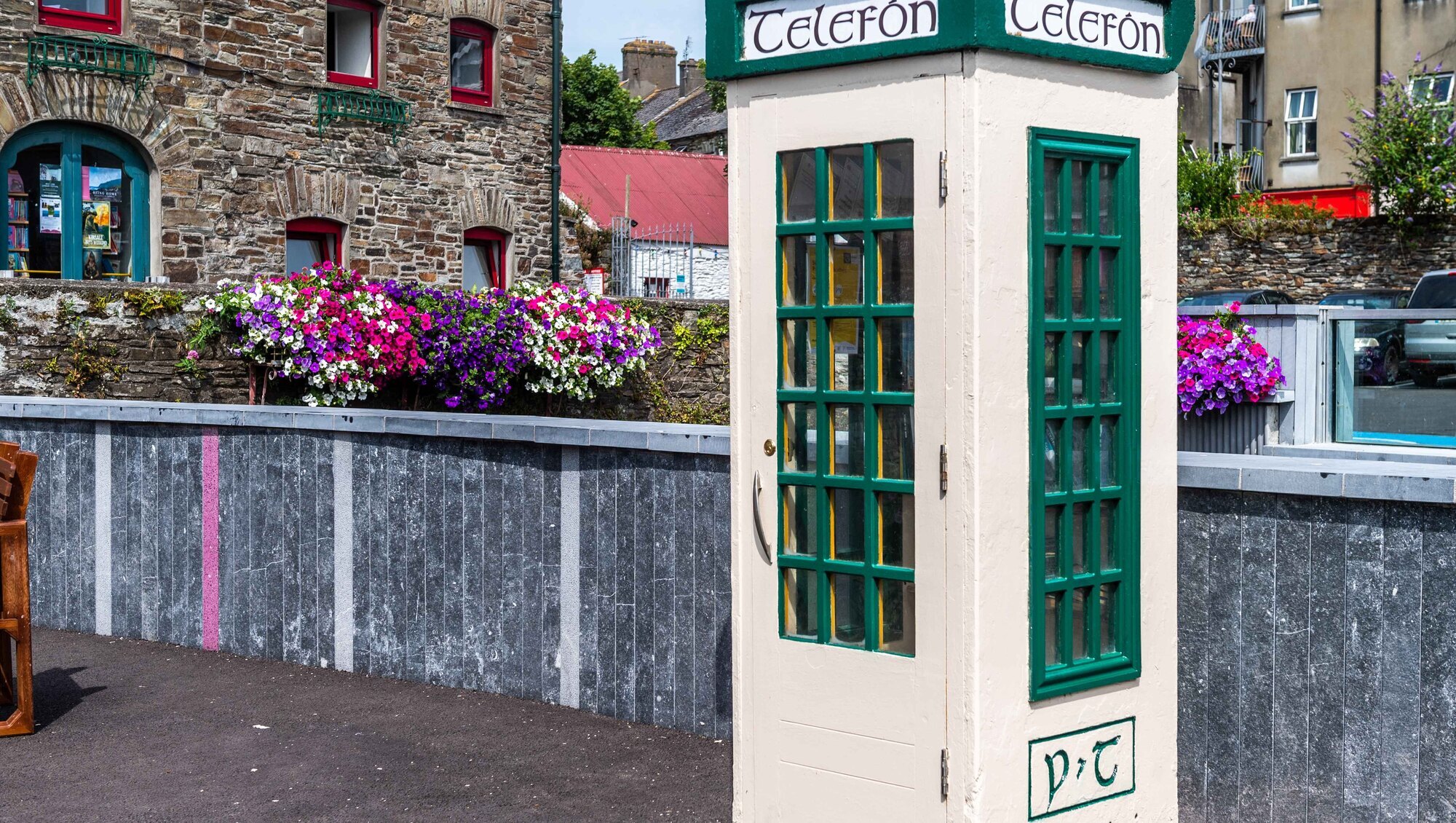
A number of boxes will instead now be used to house defibrillators or be repurposed to hold electric vehicle chargers. Picture: Andy Gibson.
Ireland’s last remaining pay phone boxes are to be finally decommissioned by the end of the year.
Utility firm Eir said the decision had been taken due to a rapid fall in demand for their use. A number of boxes will instead now be used to house defibrillators or be repurposed to hold electric vehicle chargers.
Eir chief executive Oliver Loomes said: “The public pay phone was an important part of our lives for generations. We've taken deliberate steps, in collaboration with communities and local authorities, to thoughtfully transition this legacy infrastructure.
"Our goal has been over the past four years to find the best ways to repurpose or preserve these kiosks, directly involving the communities they serve.
He said the work done on the phone box network was complementing the company’s ongoing investment of €250m-a-year fibre broadband and 5G mobile network rollout across Ireland.
Open Eir Networks managing director Una Stafford said: "The removal of the last payphone boxes by the end of this year is a symbolic step towards a more connected, digital future.
“While we close this chapter in Ireland's telecommunication history, we open another, focusing on innovative solutions that align with the needs of our communities and the environment.”
Although the first telephone exchange in Ireland was opened in 1880, it would not be until the 1970s before the more remote parts of Ireland had landlines. After the introduction of the first public payphone box in Dublin in 1925, many relied on them in the absence of their own landline.
It was not uncommon to see queues of people waiting to use one of the boxes, which totalled 3,300 at their peak, along with another 5,000-plus indoor units.
The most iconic were the older ones made of a concrete base with a wooden box, topped off with a roof emblazoned with the classic Telefón logo.
Starting out as solely coin boxes, by the late 1980s, they also started to double up with a phone card reader.
But their popularity declined rapidly since the explosion of mobile phone use in the 1990s, following on from when broadcaster Pat Kenny famously took Ireland’s first mobile phone call in December 1985.
By 2020, the Universal Service Obligation (USO) for the Provision of Public Payphones was removed.
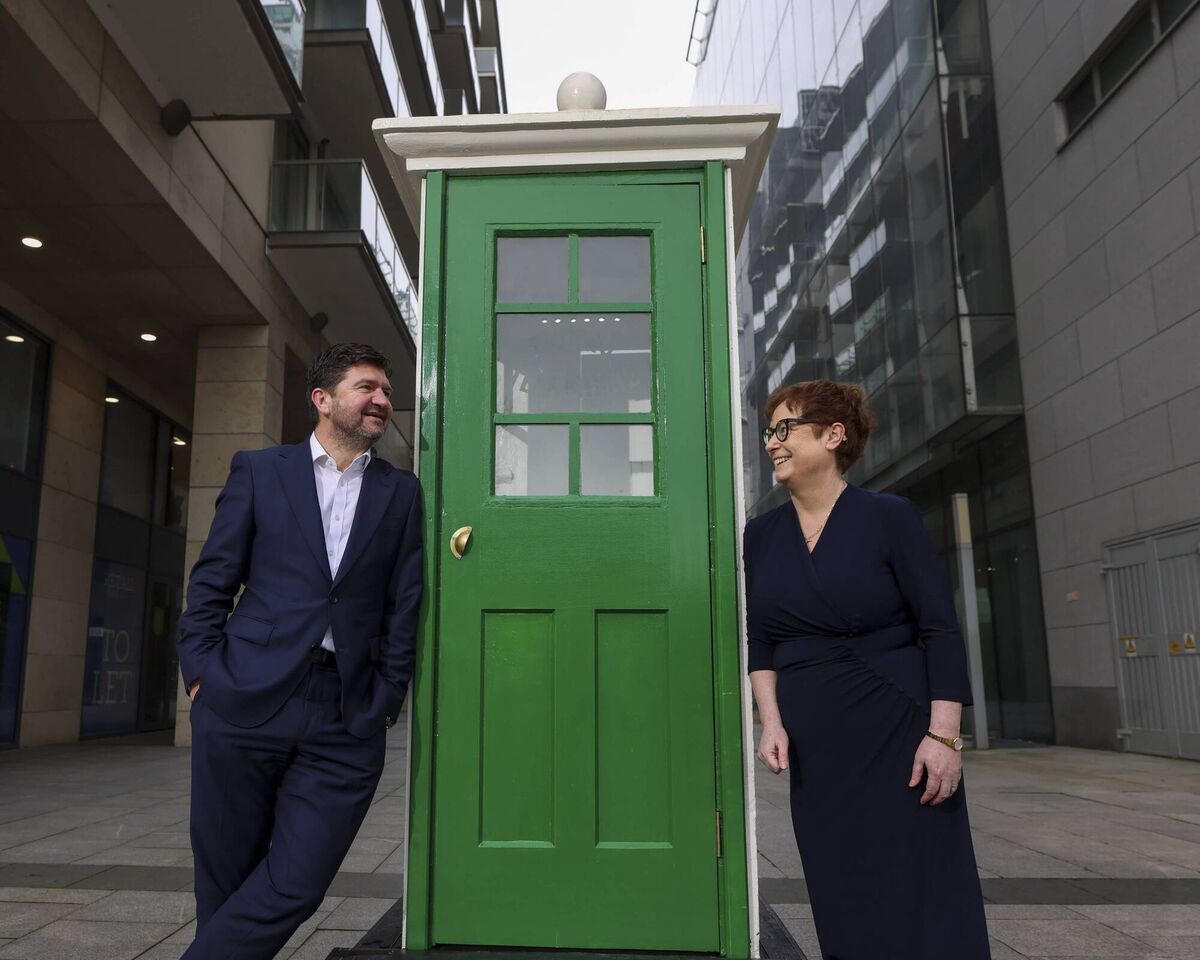
As a tribute to the end of the payphone era, Eir has restored a 100-year-old 'K1' kiosk, the first type of payphone box introduced in Ireland, for public exhibition later this year.
The kiosk is one of only seven in Ireland or the UK and will be donated to preserve a part of Irish heritage.
Since the removal of the USO, six of the iconic concrete Posts and Telegraphs kiosks now house life-saving defibrillators.
In a partnership between Eir and EasyGo, a project is under way to install 142 electric vehicle (EV) charging stations.
Another 60 pay phones have also been transformed into so-called “digital kiosks”, which local authorities use as information points for tourists as well as locals.

CONNECT WITH US TODAY



Be the first to know the latest news and updates