Pay deal maintains public sector advantage over private
Pay deal maintains public sector advantage over private

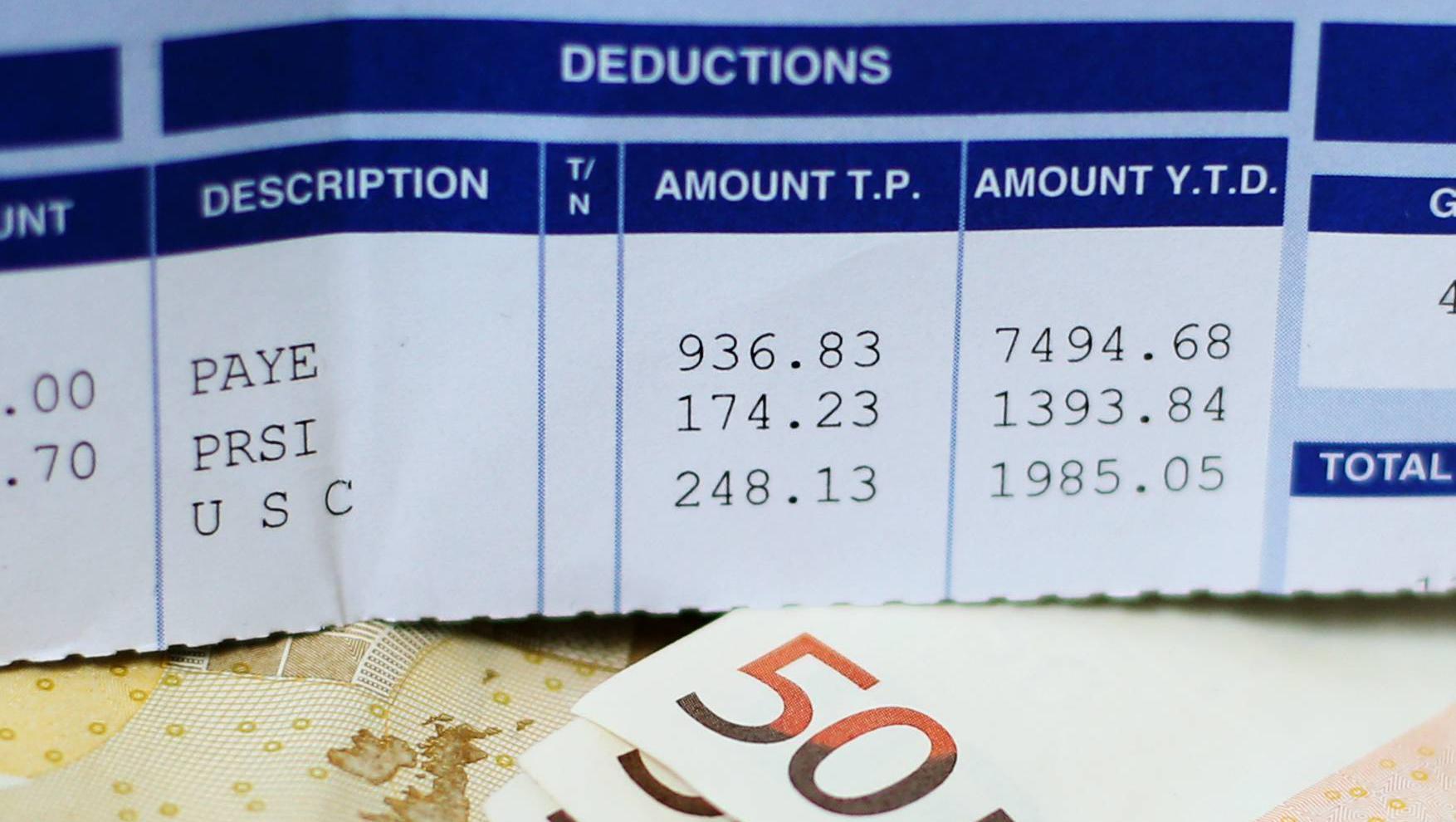
The median wage for public sector employees in 2022 was €52,288, compared with €37,286 in the private sector, according to data from the Parliamentary Budget Office, which was derived from Central Statistics Office figures compiled over the past 11 years.Ā Picture: Brian Lawless/PA Wire

Public sector pay remains significantly higher on average than that of the private sector in the wake of a new pay deal for the public service being agreed last week.

Despite that, private sector pay could increase at a greater rate than that of those working in public services in the coming years, according to a new release from the Parliamentary Budget Office (PBO).


The PBO, the Oireachtas’ independent economic analysis think tank, said that per the Central Bank’s wage growth forecasts for the next two years across all services, the private sector’s wage growth will be roughly 5% for this year and the next.

That compares with the 4.3% rise agreed for the public service for 2024 between unions and the Government last week.

The same agreement, which will be voted on by union members across February, would see a total 10.25% pay rise for the public sector over the next two-and-a-half years, itself a €700m improvement on the Government’s initial offer which was rejected by unions earlier in January.

As part of the deal, that figure is expected to rise to more than 17% for the lowest-paid workers in the public service.

However, while the private sector’s wage increases may trump that of the public pay deal over the next two years, its average salaries remain significantly adrift of its public counterparts.

The median wage for public sector employees in 2022 was €52,288, compared with €37,286 in the private sector, according to the PBO’s data, which was derived from Central Statistics Office (CSO) figures compiled over the past 11 years.

However, in the same period private sector earnings increased by 17% when inflation was accounted for, while the public sector wage remained largely unchanged, suggesting that the gulf between the averages is slowly closing with time.


A number of reasons exist for why the average public pay packet is less than that of its private counterpart, including that public sector employees are on average older than private, are more likely to have attained a third level degree, and are more likely to a member of a union.

Similarly, the gap between the two sectors was seen to have closed noticeably in the wake of the covid pandemic
, in part because job losses incurred at that time tended to be in lower pay sectors.

The PBO previously reported that Ireland’s public sector and local authorities will cost €31.9bn to staff in 2024, with defence the only facet of the public service currently declining in size.

It said that there were 11,100 more people working in the public sector at the end of June 2023 compared to the end of 2022.

It noted that all subsectors of the public service, with the exception of the defence sector, now employ more people than was the case in December 2013, ā€œwhen public service employment was at its lowest level in recent timesā€.

Pay within the public sector is overwhelmingly concentrated within the health and education services, which will have roughly 230,000 workers combined throughout 2024.


More in this section

Lunchtime News

Newsletter

Keep up with stories of the day with our lunchtime news wrap and important breaking news alerts.

Cookie Policy Privacy Policy Brand Safety FAQ Help Contact Us Terms and Conditions

Ā© Examiner Echo Group Limited