Two-thirds of Trinity students in financial difficulty due to high rents, report finds
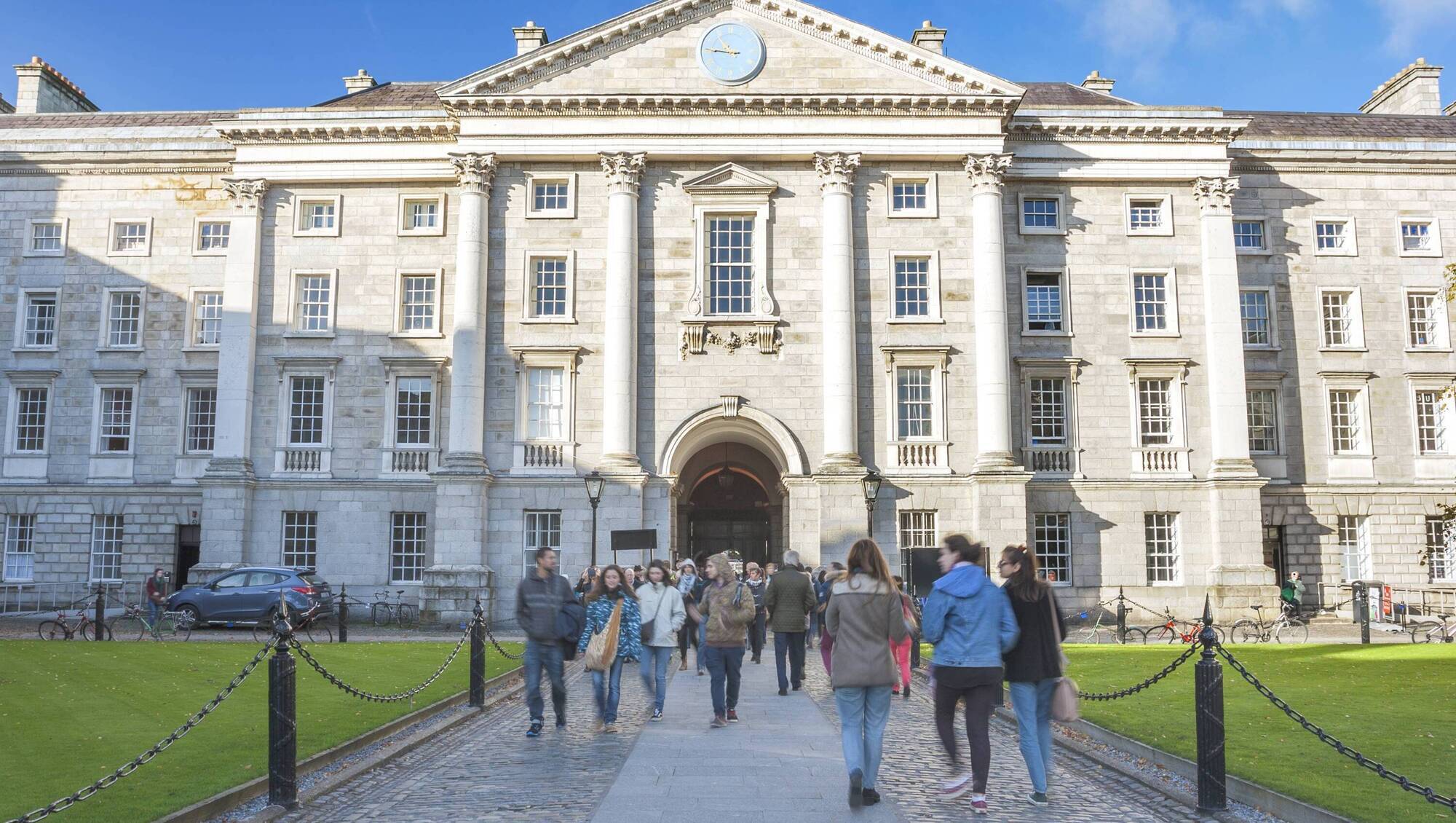
‘The Housing Survey Report’, by Trinity College Students Union, published this week highlights the ongoing issues faced by students trying to access accommodation.
Two-thirds of students at Trinity College Dublin have fallen into financial difficulty over crippling rents, a new study has found.
‘The Housing Survey Report’, by Trinity College Students Union, published this week highlights the ongoing issues faced by students trying to access accommodation.
Of the 857 Trinity undergraduate and post-graduate students surveyed, the findings included:
- 30% of college goers are paying more than €1,000 a month for accommodation;
- 80% of student renters found their rent was unaffordable;
- 50% advised they had to work to fund their rent;
- 60% said their mental health was impacted negatively over needing to work to pay rent;
- Some 71% who work said it was having a negative impact on their studies.
Students' union president László Molnárfi said the report made for shocking reading.
“It shows the utter failure this Government has been with regards to housing — the approach of this Government is not acceptable”, he said.
“Its response is also to say, there is no data, well here is some data. They have their heads stuck in the sand. It is for the Government to fix the issue.
“We conducted this report to get students to start engaging in our campaigns. We have to keep putting pressure on the Government because it is showing an alarming rate of students being left homeless or having to couch surf — it is affecting their mental health.
“The cost of rent overshadows everything. It threatens the academic sector as a whole and it means that education is not accessible because students can’t afford the rent.
"Commuting is an issue too — 22% of students commute over one hour every day while 57.95% said commuting was having an extremely negative impact on their student experience."
Meanwhile Conor Reddy, a 28-year-old PhD researcher in immunology from Dublin and a member of the Post-Graduate Workers Organisation, said he was forced to move five times in the past five years, including a short spell at home with his parents, because of the rising costs of rents.
He is currently renting in Marino in north Dublin and said many students choose to drop out because they cannot afford to keep a roof over their heads.
“Simon Harris promised a 30% pay increase for PhD researchers, and that came into effect in January, but we have yet to receive it, we expect it will be in this month's payment”, he said.
“It means that our wages have gone from €19,000 to €22,000, and while it helps, it’s still below minimum wage.
“There are 10,000 PHD students in the country, and 3,000 of them are funded by the Irish research council and Science Foundation Ireland.
“But that leaves 7,000 students not seeing an increase, so they have to take up extra jobs because they are receiving on average €16,000 per year, but as little as €7,000 per year stipend.
The report also found non-EU students are generally paying higher rents, while 79.4% of non-EU postgrads pay the highest rents and reported they are in financial difficulty.
Mr Reddy said: “A large number of PhDs' in Ireland would be international and non-EU. The minister and universities want to increase international recruitment because they bring more fees.
“Accommodation and rents are the major block to that.”
CONNECT WITH US TODAY



Be the first to know the latest news and updates