Medicine shortages up 86% in last 12 months
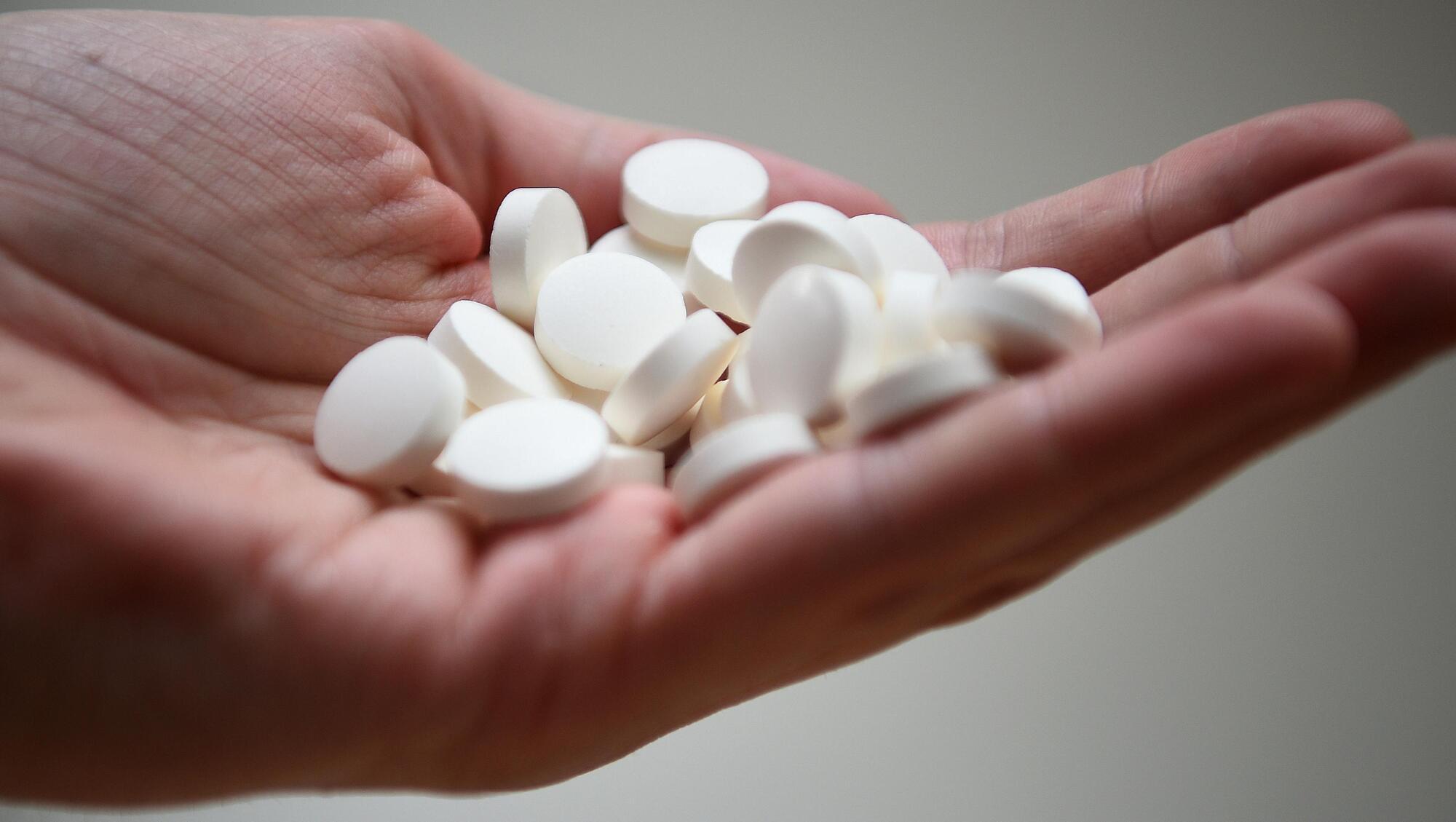
Medicine shortages have surged from 178 to 332 in the past year.
There has been a surge in shortages of medicine over the last 12 months, with the crisis now resulting in 332 shortages.
In response to what it says is the "escalating medicine shortage crisis", Azure Pharmaceuticals has published a comprehensive white paper.
It contains nine "proactive and pragmatic approaches to address the immediate challenges facing Ireland’s healthcare system".
The Medicine Shortages Index, which was introduced one year ago, shows an 86% increase in shortages over the past 12 months, from 178 to 332.
The current global trends signal another winter of shortages in antibiotics and over-the-counter cough and cold medicines for patients.
Adding to the gravity of the situation, the number of medicines with just one supplier has also seen a dramatic spike, now reaching over 44% of all medicines in short supply, significantly above the EU-wide average of 25%.
Last year in Ireland, 63 single-source medicine shortages were recorded compared to the current count of 144.
Azure has urged the Government to provide detailed policy measures to tackle the crisis, pointing to other European nations such as Germany, Switzerland, and Denmark as an example.
Azure's white paper outlines nine key solutions:
- Introduction of an Irish-specific essential medicines list;
- Implementation of a medicines inventory system for enhanced transparency;
- Utilisation of existing legislation and industry agreements for sustainable medicine pricing;
- Implementation of a minimal supplier rule to broaden supplier diversity;
- Introduction of a Health Products Regulatory Authority fast-track licensing stream for essential medicines to expedite market authorisation;
- Strengthening of supply chain resilience by decoupling manufacturer sources;
- Real-time simulation techniques to test and assess national supply plans;
- Procurement partnerships with other countries to enhance capabilities;
- Commissioning of a study to incentivise the maintenance of buffer stocks.
"The number of medicines in short supply with no licensed equivalent has risen at a pace we haven’t seen since the Medicine Shortages Index began in October of last year," said Azure CEO Sandra Gannon.
Ms Gannon said that the crisis is mistakenly perceived here as the inevitable byproduct of a broader global issue.
“In Germany alone, the government has become the latest European country to react to this trend by asking wholesalers, in September, to begin stockpiling medicines for the winter. We don’t know yet what impact that alone could have on the rest of Europe, especially smaller markets like Ireland.
"However, despite the gravity of the situation in Ireland, the Government’s response has been lacking, and our policymakers have mistakenly perceived the medicine shortages crisis as an inevitable, unresolvable consequence of a broader global problem."


CONNECT WITH US TODAY



Be the first to know the latest news and updates