People in Cork and Kerry face longest waiting lists for home help
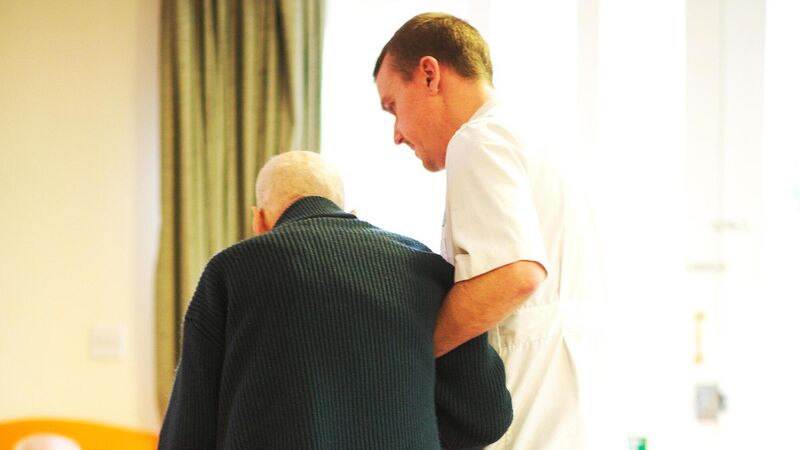
The HSE’s home support service is aimed at allowing older people to remain living at home for as long as possible via external support.
Cork and Kerry have by far the worst waiting lists for home help from the HSE, according to new figures, with 1,648 people awaiting the provision of service.
The HSE’s home support service is aimed at allowing older people to remain living at home for as long as possible via external support.
The supports are a non-statutory, assessment-based service, generally delivered to those with the greatest assessed need.
This includes support for tasks such as dressing and undressing, personal care such as showers, and getting in and out of bed.
As of the end of August, there were 1,011 people awaiting new supports within Community Healthcare Organisation (CHO) 4, covering Cork and Kerry, with a further 637 awaiting additional supports to what they were already receiving, according to the HSE.
The next most populous waiting list was within the Carlow/South Tipperary/Waterford HSE catchment, where 974 people were waiting for home support, 41% less than the numbers reported in Cork/Kerry.
The region with the lowest lists, by a distance, is Dublin’s north city, where just 32 people are currently waiting for the provision of supports.
Some 5,986 people nationwide were on the waiting list for home support services as of the end of August, the HSE said, split between 3,084 seeking new supports and 2,902 looking for additional help to what they were already receiving.
Those figures are actually a 6% improvement from what had been recorded in the summer, when 6,400 people had been awaiting supports.
The HSE said details are not available in terms of waiting list times, only numbers.
In an update for the public accounts committee (PAC), the HSE said that waiting times are impacted by “the level of need of the individual requiring a service and the resources available in terms of available home support staff”.
It said the over-65 and over-85 cohorts are expected to increase by 38% and 68%, respectively, by 2031.
About 40% of home supports are provided by private operators, with the remainder delivered by the not-for-profit and charity sectors.
The health service is expected to deliver 21.7m home support hours in the 12 months to the end of 2023. Demand for the service increases at a rate of 4% per year, said the HSE.
Last May, the organisation said it hoped to resolve issues around thousands of people waiting for the provision of home care “at a very early stage”.
HSE chief executive Bernard Gloster told PAC chair Brian Stanley at the time, amid a controversy over a delayed renewal with the private operators providing home supports, that: “We rate it (the supports) as the most critical part of our actual capability to deliver a response to people as an alternative to other events in their lives.”
He said the home care service matter was subject to “very complex tendering processes” and other expert reports including a workforce advisory group, adding that the HSE had targets to provide services to 55,000 people but they were actually used by 56,980.
Mr Gloster was responding to a question from Mr Stanley, who said services for around 40,000 recipients of home care from private providers funded through the HSE were “hanging in the balance”.
“Home support aims to enable older people to continue living in their own homes with confidence, security, and dignity, and the Government has stated its aim to improve community-based services to make this possible,” the HSE told the PAC this week.
Read More
CONNECT WITH US TODAY



Be the first to know the latest news and updates