Consent lessons should be expanded to secondary schools, Oireachtas committee told
Consent lessons should be expanded to secondary schools, Oireachtas committee told

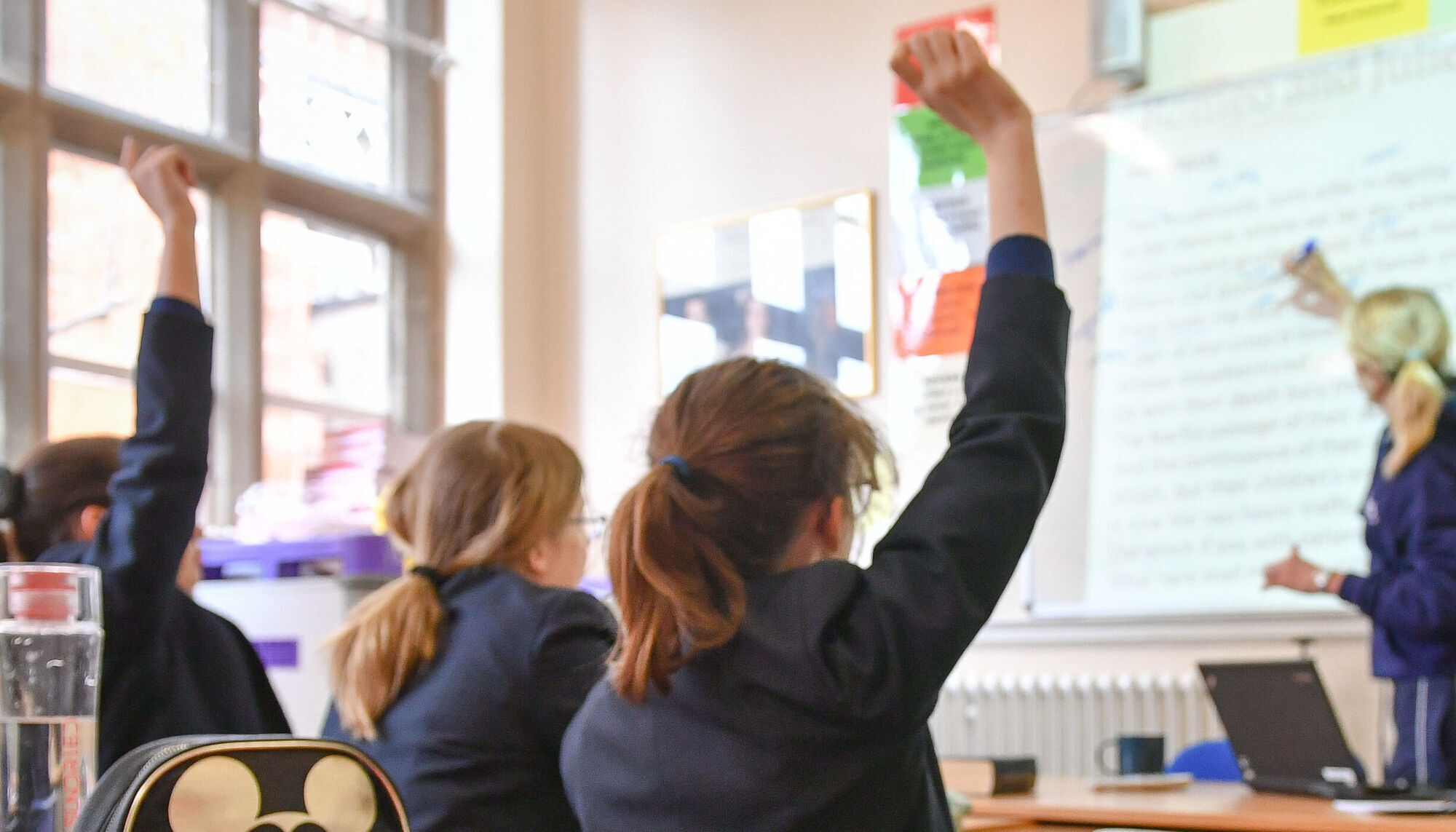
The Oireachtas committee heard that students are asking if University College Cork’s (UCC) Bystander Intervention Programme could be rolled out to their school. File photo

Some parents wish to keep their children “ignorant” on issues surrounding intimacy and consent despite a significant need and desire to learn from students and teachers, an Oireachtas committee has heard.

Representatives from the University of Galway-based Active Consent Programme and University College Cork’s (UCC) Bystander Intervention Programme outlined the need for education on consent for all secondary school students.

It would see students learn from an age-appropriate curriculum on consent, sexual violence and harassment from early adolescence to adulthood. Currently, consent education is available to first-year students in 22 third-level institutions with over 22,000 participating in workshops last year.

Over 4,000 secondary school students engaged with consent workshops delivered by trained teachers in the 2021/22 school year.

Dr Siobhán O'Higgins of the Active Consent Programme said there has been “pushback” from some parents attending seminars which are offered to parents after teachers in the school are trained.

“They want to keep their children ignorant but ignorance is not the same thing as innocence and it’s about reducing the vulnerability of their children,” she said.

She said on one occasion out of 50 parents, three were “very sure” that the programme was “grooming children”, with one mother saying it was “paedophilia”.

Despite this, UCC Professor Louise Crowley said the need and desire for consent education amongst post-primary students and teachers is underestimated, adding that she is often contacted by students asking if it could be rolled out to their school.

She said bystander workshops allow for a safe place to share views, “however toxic” they might be, which allows students to move towards a better position.

“If we can call out and stamp out those early forms of misogyny or disrespect, the hope is that we prevent the escalation,” she said.

Ms Crowley said certain high-profile online personalities are influencing young male students in particular, with continuously accessible “toxic voices” having a large presence online.

“We do know from our workshops with young people that the depth and extent of misinformation and misogyny online is unprecedented and extensive,” she said.

More in this section

Lunchtime News

Newsletter

Keep up with stories of the day with our lunchtime news wrap and important breaking news alerts.

Cookie Policy Privacy Policy Brand Safety FAQ Help Contact Us Terms and Conditions

© Examiner Echo Group Limited