EPA launches system to predict air quality across Ireland
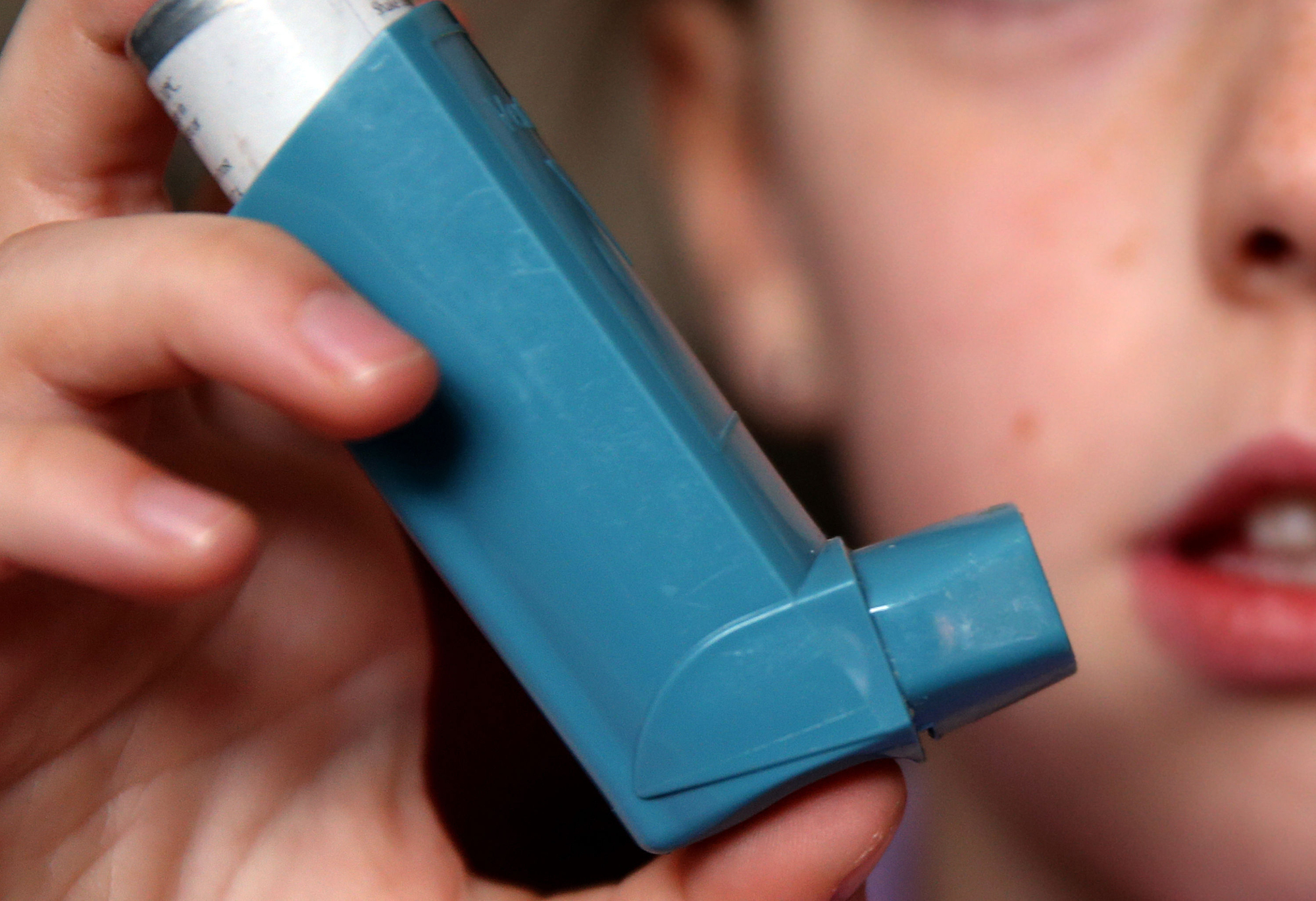
The new forecasting system will allow users to gauge levels of pollution for the likes of particulate matter which can cause irreversible damage to the respiratory system. File photo: Peter Byrne/PA
A new forecasting system across the country to predict air quality for up to three days has been launched.
The Environmental Protection Agency (EPA) said the new forecasting system would allow users to gauge levels of pollution for the likes of particulate matter (PM2.5) and nitrogen dioxide (NO) for "today, tomorrow, and the day after tomorrow".

Particulate matter is all solid and liquid particles suspended in the air, such as dust, pollen, soot, smoke, and liquid droplets, while NO causes inflammation of the airways in high doses, which can cause irreversible damage to the respiratory system.
Poor air quality causes around 1,300 needless deaths in Ireland every year.
Maps will be uploaded twice daily, once in the morning and once in the evening, on the airquality.ie website, and are produced by computer models, the EPA said.
CLIMATE & SUSTAINABILITY HUB
The models use Irish and European data such as air quality measurements, forecast weather and land cover data, according to the environmental watchdog.
University College Cork (UCC), Flemish research organisation VITO, the Asthma Society of Ireland, the HSE, and the Department of the Environment are among the partners involved.
CEO of the Asthma Society of Ireland, Eilís Ní Chathnia, said the air quality forecast will be an important resource for everyone with respiratory conditions.
"Ireland has the highest incidence rate of asthma in Europe with one in 10 children and one in 13 adults developing the condition—with 890,000 people likely to develop asthma in their lifetimes," she said.
Air quality in Ireland, while better than most other EU countries, still falls down when measured against newly introduced World Health Organization (WHO) guidelines, data from the EPA showed in September.
The WHO published updated recommendations for air quality in 2021 after a scientific review but the EU has yet to update its own directive, last revised over a decade ago. Sharp differences exist between the current EU standards and the new WHO recommendations.
The EU Parliament voted this month to adopt WHO recommendations by 2035, which many scientists and environmental campaigners have said is not nearly fast enough.