Watchdogs warn social media influencers to be 'transparent about their advertising'
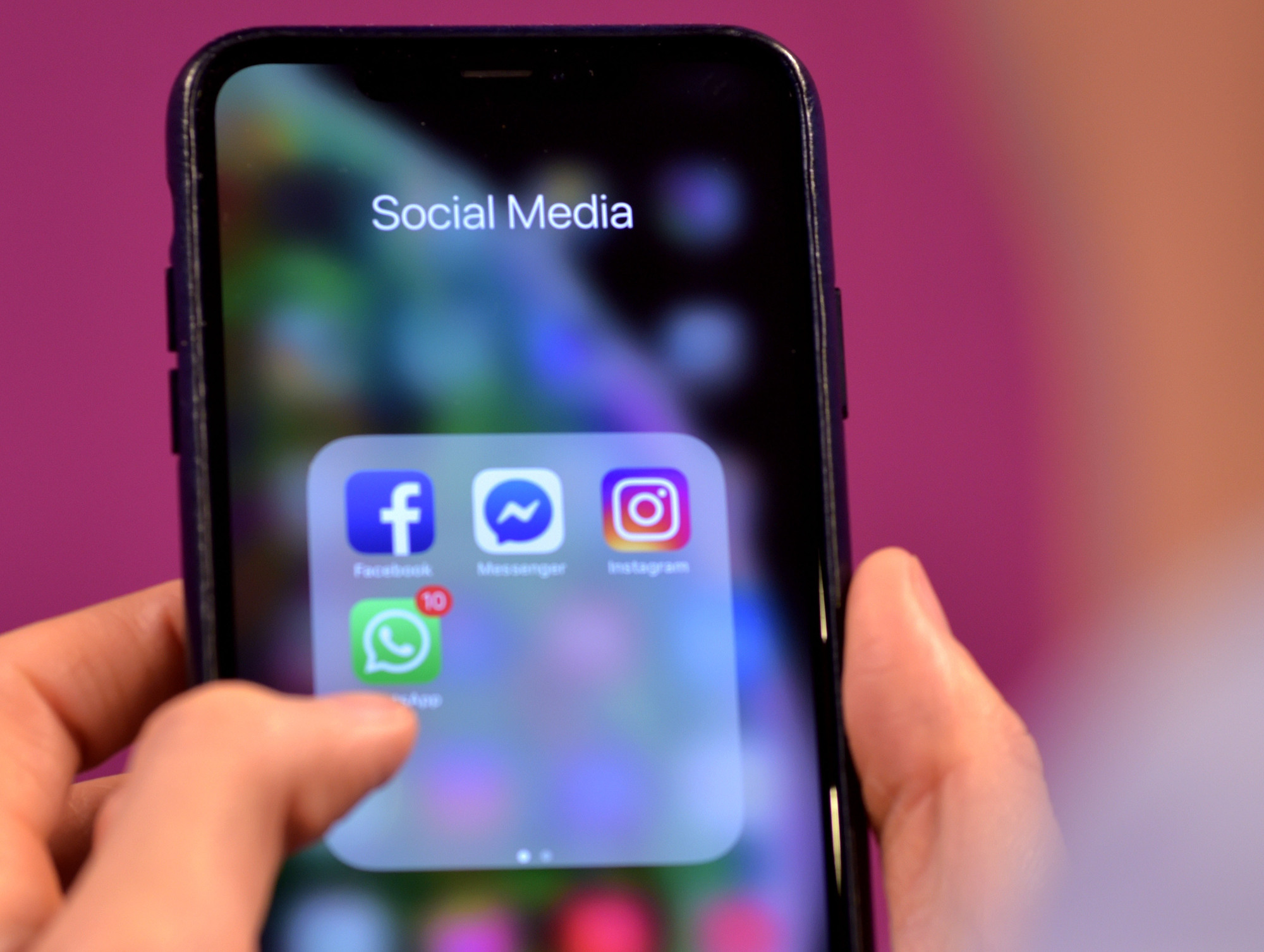
Influencer marketing on social media has surged in recent years
Influencers have been warned they could face prosecution if they fail to comply with consumer protection law, as two watchdogs issued new guidance on how they advertise products online.
The Competition and Consumer Protection Commission (CCPC) and the Advertising Standards Authority for Ireland (ASAI) have published updated guidance warning social media influencers to clearly label their adverts and ensure that hashtags are instantly visible to consumers.
“It is in everybody’s interest for influencers to be honest with their audience and transparent about their advertising,” the CCPC’s Kevin O’Brien said.
“CCPC research found that many consumers felt misled after purchasing an item on the advice of an influencer and that levels of trust in influencers generally are very low. Clear labelling benefits everyone.”
Influencer marketing on social media has surged in recent years as individuals and groups with large followings on social media can make money from advertising products on their accounts.
The ASAI has handled numerous cases where complaints have been made about influencer adverts.
“In one case, involving a make-up tutorial which was sponsored by a beauty brand, the influencer had included commentary in the description of the YouTube video that they had teamed up with the brand,” it said.
“After clicking on ‘Show More’ in the description under the video, readers would see at the very end that the video had been sponsored. This wasn’t considered proper disclosure as essentially you had to go looking for it.”
Under the new guidance, the hashtag #Ad should always be used and posts about their own brands must also be labelled as advertising. The watchdogs said a programme of engagement is planned to ensure influencers are aware of their responsibilities under the law.
Last year, a report from the CCPC found that almost half of Irish influencer advertising content is not labelled as an ad “in any way”. It also found that almost a quarter of people who bought a product or service as a direct result of an influencer mentioning it, subsequently felt misled.