Parents to ask other adults to help limit RSV spread to their children
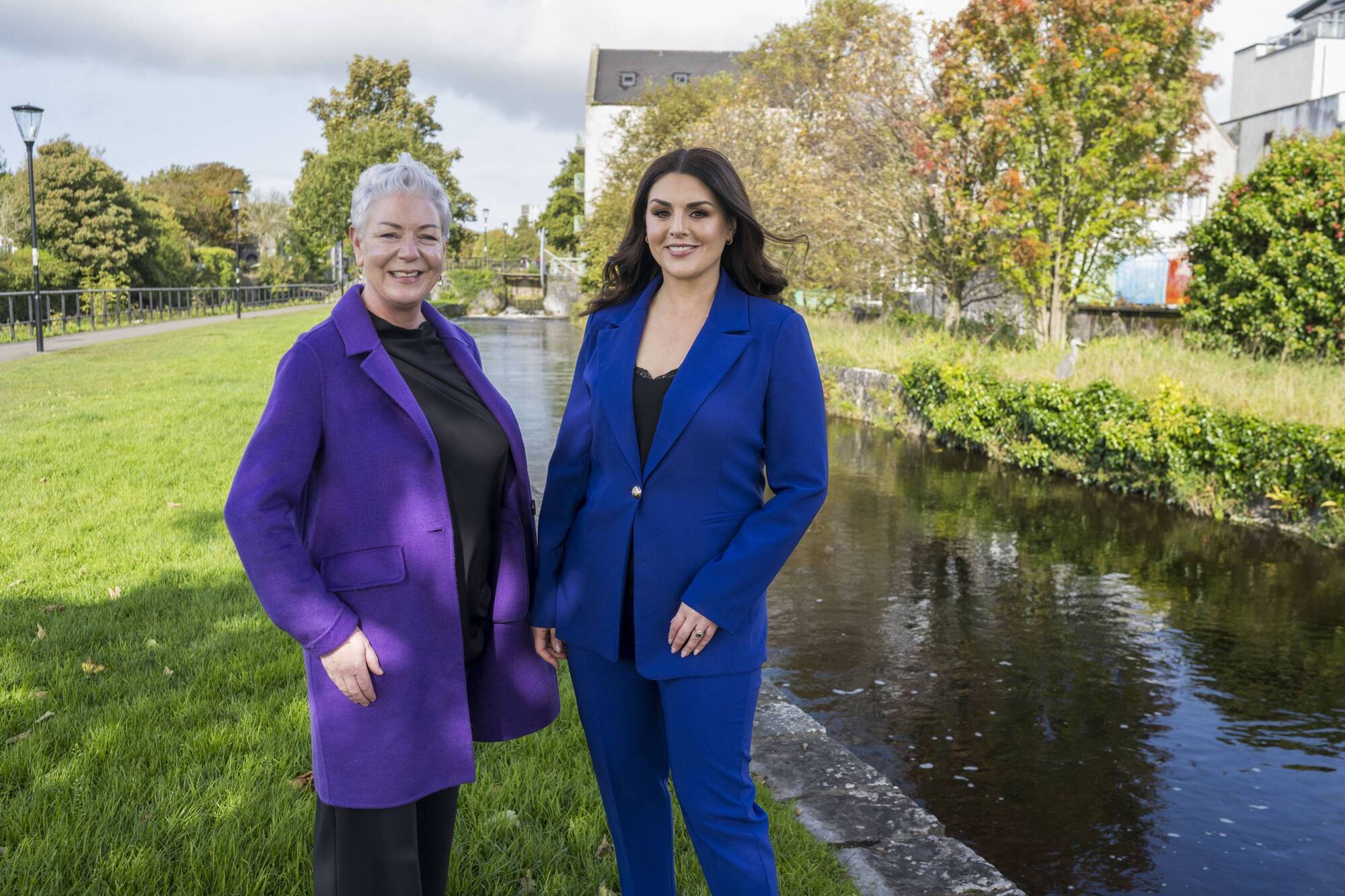
Dr Marie Finn with Sile Seoige, who is parent ambassador for Together for RSV. Picture: Andrew Downes
Almost 75% of parents in Ireland plan to ask adults to avoid touching their child’s face or hands to help prevent infection with RSV this winter, new data shows.
Last winter cases of respiratory syncytial virus (RSV) spiked very early in the autumn and winter seasons, reaching extremely high numbers quickly. This year so far doctors have not seen this spike, with just 28 cases reported during the week up to September 30.
However, GPs and paediatricians have urged parents to take easy-to-apply precautions in the hope of limiting spread over the next few months.
Dr Maire Finn, GP at The Ennis Family Medical Centre, said simple measures can help.
“Frequent and careful handwashing with soap and water is one of the most important preventative actions, “ she advised.
“Always follow good cough etiquette by coughing into your sleeve or a tissue and encourage your children to do the same.”
She also recommended that if a sibling or any other family member is symptomatic, parents should try to keep younger children away from them as much as possible.
The HSE and Health Protection Surveillance Centre (HPSC) advise while most people recover from RSV in a week or two, infection “can be serious, especially for infants and older adults”.
Professor Roy Philip, neonatologist and paediatrician at the UL Hospital Group agreed, saying most children experience mild symptoms which clear up on their own.
“RSV, or respiratory syncytial virus, infection initially presents with symptoms similar to a common cold. It's not uncommon for infants or young children to have runny nose, sniffles, fever, reduced feeding, irritability, or even ear infections,” he said.
However, he said in some cases it can lead to lower respiratory tract problems such as bronchiolitis or pneumonia.
“If parents notice rapid breathing, significantly reduced feeding, prolonged periods without wet nappies, or persistent high fever despite medication, it is advisable to consult your GP immediately” he warned.
In other situations, he advised attending the emergency services, saying this is “in instances of obvious breathing difficulties significant pauses in breathing or unexplained lethargy/sleepiness” if this occurs.
“Very premature infants and those with certain underlying medical conditions are more vulnerable to severe RSV infections, at times warranting critical care,” he said.
The survey of 520 parents in Ireland examined their level of awareness and knowledge of RSV.
Among the findings were that 63% are concerned their child may catch RSV this winter, and some 74% intend to ask family members, friends, and acquaintances not to touch their child’s face or hands to help limit infection risks.
Parents were also quizzed on their knowledge of RSV, with the findings indicating just 22% have a “good level of knowledge” although 79% had heard of this virus.
The survey, carried out by pharmaceutical company Sanofi as part of their Together for RSV campaign, found knowledge around other infections including flu and pneumonia is higher.
More advice on treatment and symptoms from the HSE website.