Over 1,000 children without hospital beds in first two weeks of September
Over 1,000 children without hospital beds in first two weeks of September

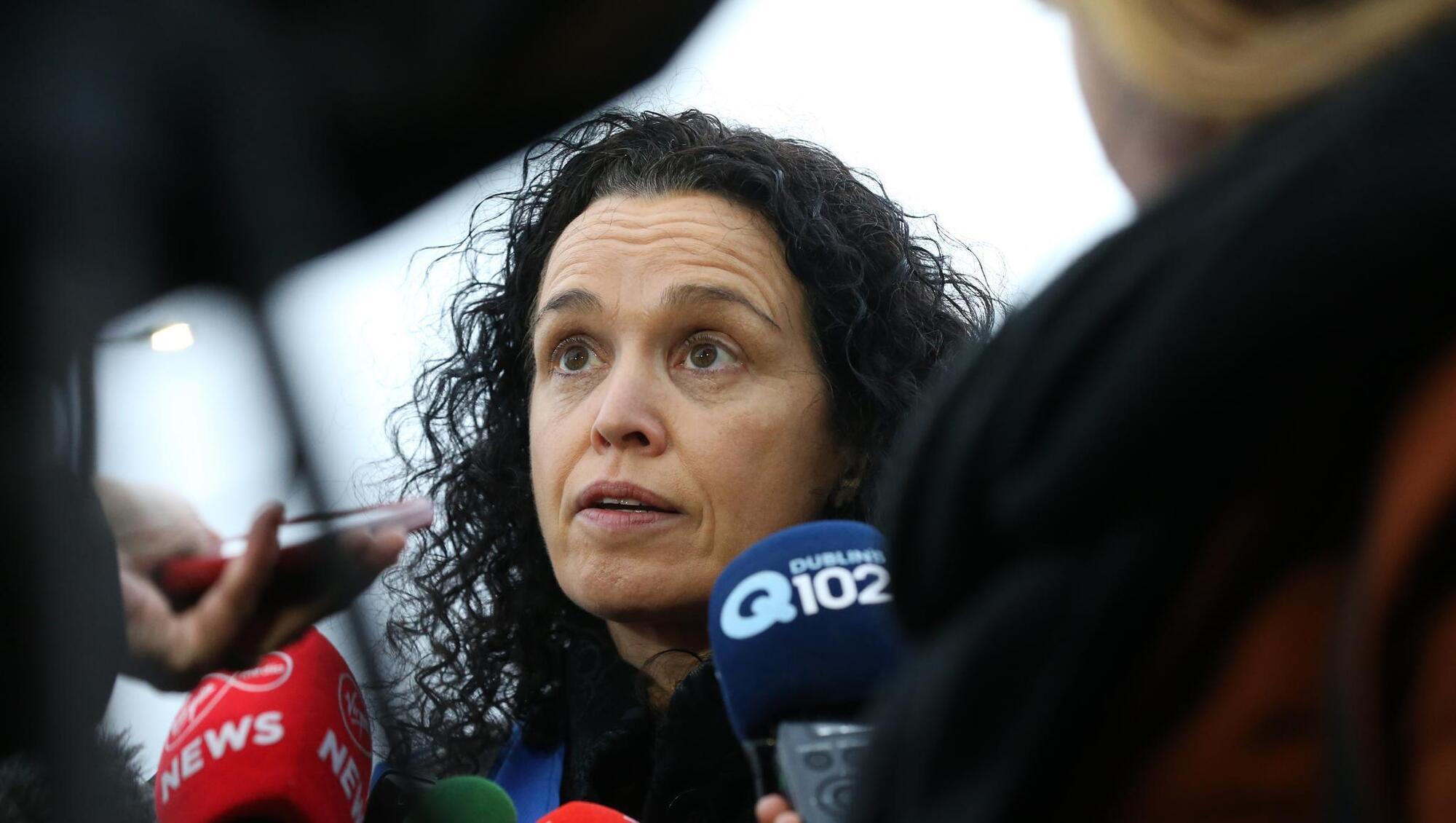
General secretary for the INMO Phil Ní Sheaghdha said the trolley number for the year up to September was 87,321 adults and for September to date was over 5,000 of which 1,000 were children in the Dublin area. Picture: Sam Boal/RollingNews.ie

The latest trolley figures from the Irish Nurses and Midwives Organisation (INMO) indicate that over 1,000 children were without a hospital bed during the first two weeks of September.

General secretary for the INMO Phil Ní Sheaghdha said the trolley number for the year up to September was 87,321 adults and for September to date was over 5,000 of which 1,000 were children in the Dublin area.

This was an extraordinary number and research had shown that when a patient is on a trolley for longer than six hours there is a serious impact on outcome, and some people die as a result.

“So these are very sad statistics. But behind each one of them is a person who's having a really bad experience," Ms Sheaghdha told RTÉ's Morning Ireland on Monday. 

While there had been improvements in some hospitals, in others there had been none, she said. Part of the problem was that the HSE and the INMO had differing figures as the HSE counted only patients on trolleys in emergency departments, which the INMO maintains is not telling the full story.

“This afternoon at the ED (Emergency Department) Task Force, we will be raising the fact that we have to be truthful and we have to tell the full picture, because if I'm on a trolley in a corridor or on a ward, it's going to have exactly the same effect as being on a trolley, on a corridor or an additional part of the hospital," Ms Sheaghdha said. 

The INMO is seeking a full report on the three hospitals that were recommended by Hiqa for elective patients, she said. Because when hospitals become overcrowded surgeries are cancelled and then waiting lists increase. 

That was because hospitals did not have the capacity to cater for both emergency surgery and elective surgery.

Ms Ní Sheaghdha also said that Sláintecare had recommended that some hospitals concentrate only on electives,

“We're saying that has to be prioritized and it's unlikely that these hospitals are able to materialize this winter. 

"So we want the HSE to start talking to the private hospitals so that people who are sitting at home on a list for surgery don't get that phone call, which they dread, which is to tell them that because the hospital is overcrowded and there's no bed, they can't come in for their surgery.” 

The level of burnout in the nursing profession was also a cause for concern, she added. 

“The people we represent, nurses and midwives, they work very hard. They never get a reprieve. The levels of burnout are getting increasingly high and that all leads to people deciding to leave their jobs. We don't want to be in that situation. 

"We want to hold on to every single nurse and midwife who's working in our hospitals today. And in fact, we want to grow that number. We can't have a situation where the workplace in which they're working is causing them to become ill themselves or to decide to leave their jobs.”

x

More in this section

Lunchtime News

Newsletter

Get a lunch briefing straight to your inbox at noon daily. Also be the first to know with our occasional Breaking News emails.

Cookie Policy Privacy Policy Brand Safety FAQ Help Contact Us Terms and Conditions

© Examiner Echo Group Limited