People working to end child poverty in Ireland have “the talent to make it happen”, but for that goal to be achieved “the politicians need to back it”, a forum on the issue has been told.
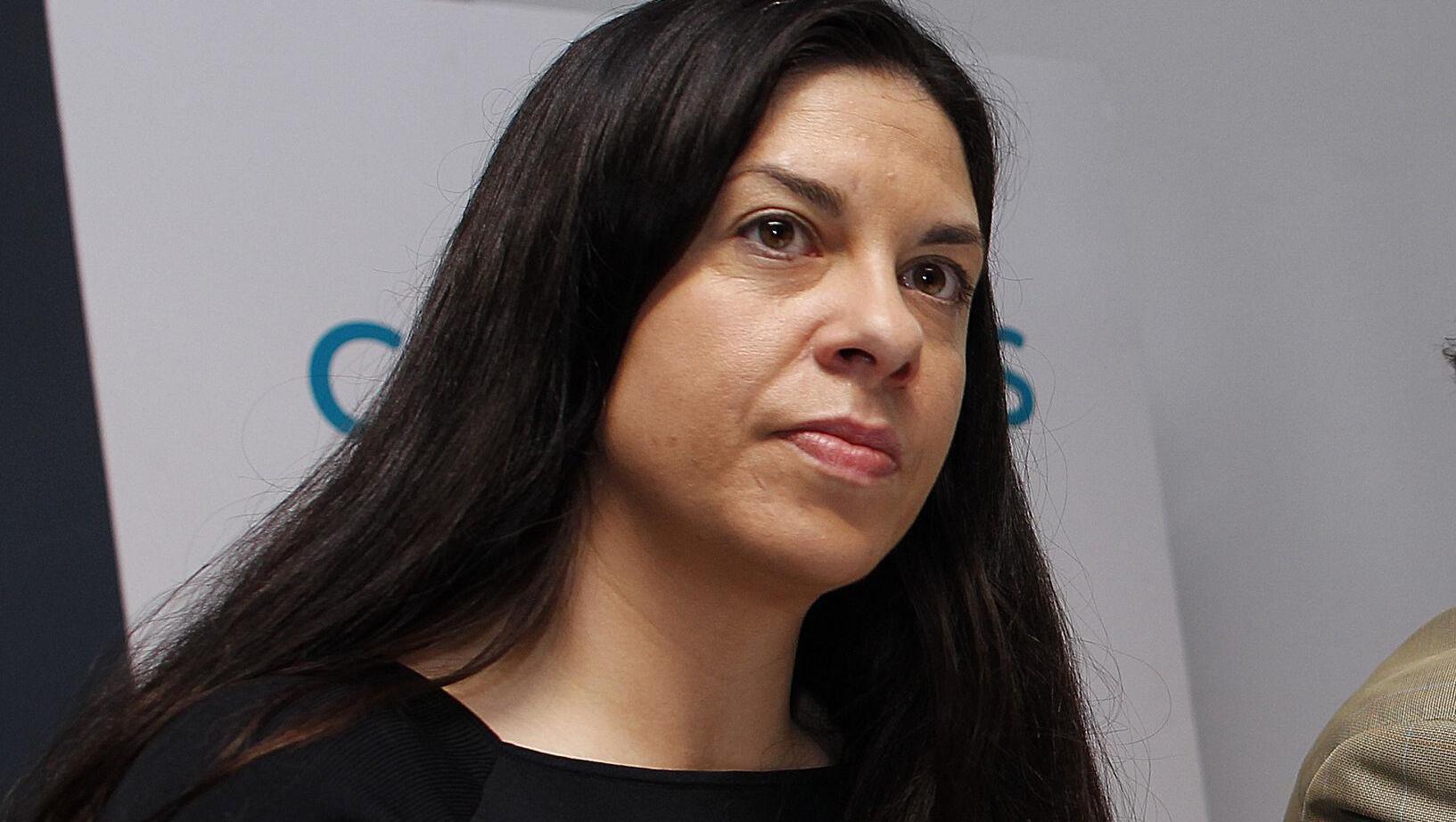
“The research shows where things have progressed on child poverty it’s because of politicians,” Children’s Rights Alliance (CRA) chief executive Tanya Ward said. She said come election time, “economic developments take over the debate, and it becomes less about something like child poverty”. Nonetheless, it is “so significant” that a dedicated unit has been set up in the Department of the Taoiseach tasked with tackling the issue of child deprivation in Ireland, she said.
Roughly 190,000 children live at risk of poverty in Ireland, a figure Ms Ward noted equates to “the combined populations of Waterford and Kilkenny”.
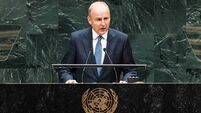
The Child Poverty and Wellbeing Programme Office was set up by the Taoiseach as one of his first actions upon retaking the role last December, and published its first work programme last August, covering six headings: income supports and unemployment; early learning and childcare; the cost of education; homelessness; consolidating family supports; and enhancing participation in culture and sport.
The CRA however expressed concerns that the office could be discontinued with a change in Government following the next election. “We would need the politicians in the next Government to keep it going,” Ms Ward said, adding that any conversations she has had with opposition politicians have been “very positive”.
“My feeling is we are at a moment of consensus regarding child poverty. But at a general election you wouldn’t want it to slip down the radar. It’s very important that it’s at the top of politicians’ to do list.”
Ms Ward was speaking on day 3 of the CRA’s End Child Poverty Week, which focused on action being taken nationally in terms of dealing with the issue.
The panel, which included officials from the Child Poverty and Wellbeing office, heard from Maria Minguella, co-ordinator with Tipperary Town’s Revitalisation Social Inclusion programme of how cyclical and intergenerational poverty can be in a rural setting.
Ms Minguella said up to 40% of the male population of the eastern part of Tipperary town are unemployed, and that the town has very high levels of people with disabilities and lone parents.
“The level of deprivation has deteriorated in the last 15 years,” she said. “It is a very complex and multifaceted experience.”
She said what her taskforce is trying to do in revitalising the town has concerned the physical and environmental infrastructure as much as its economic development.
Ms Ward described the figures quoted by Ms Minguella as extraordinary, and noted while Ireland has in many ways bucked the trend of income gaps seen in the OECD, there are communities that remain in a cycle of deprivation. “We found similar in Tallaght in relation to child poverty, via an audit, and the statistics showed it has the biggest gaps in terms of educational attainment in Ireland,” she said.
“If you want to address those kinds of figures you need a concerted ten-year policy programme,” she said, adding the “shame of being poor needs to be done away with”.

Subscribe to access all of the Irish Examiner.
Try unlimited access from only €1.50 a week
Already a subscriber? Sign in
CONNECT WITH US TODAY
Be the first to know the latest news and updates