Q&A: What are the proposed reduced speed limits and when will they be implemented?
Jack Chambers confirmed that, following the completion of a two-year safety review of our roads, he would shortly be bringing a proposal on reduced speed limits prop to Cabinet. Picture: Colin Keegan, Collins Dublin

Jack Chambers confirmed that, following the completion of a two-year safety review of our roads, he would shortly be bringing a proposal on reduced speed limits prop to Cabinet. Picture: Colin Keegan, Collins Dublin

Speed limits look set to be significantly cut across Irish roads under a major Government review aimed at addressing the increase in accidents and fatalities recorded to far this year. 

Following the death of a male motorist in an accident in Carlow on Wednesday morning and the death of a teenager in Galway who fell from a tractor, there have now been 129 deaths on Irish roads so far this year — 25 more than the total reported by this point last year, and 37 more than in 2019.

In the month of August alone, 25 deaths occurred on our roads. 

At least three-quarters of the deaths recorded this year happened on local or rural roads, according to Minister of State at the Department of Transport Jack Chambers. 

On Wednesday, Mr Chambers confirmed that, following the completion of a two-year safety review of our roads, he would shortly be bringing a proposal on reduced speed limits prop to Cabinet. 

He said "major action" was required due to the "fragmentation and inconsistency" of speed limits across the country's road network. 

Here, we answer your questions on the proposals:

What roads will see limits reduced and by how much? 

Under the newly-proposed limits, motorists will have to reduce their speed by 20km/h on most roads countrywide. 

On national secondary roads, the maximum speed will be reduced from 100km/h to 80km/h.

On local and rural roads, limits will also be cut from 80km/h to 60km/h.

Urban roads — including those in areas like housing estates and town centres — will see their limits drop to 30km/h, and the limits on arterial and radial roads around urban settings will be set at 50km/h.

The speed limits on motorways, national primary roads, and regional road will remain the same at 120km/h, 100km/h and 80km/h, respectively. 

Jack Chambers confirmed that, following the completion of a two-year safety review of our roads, he would shortly be bringing a proposal on reduced speed limits prop to Cabinet. Picture: Colin Keegan, Collins Dublin

When will the changes happen? 

Mr Chambers did not give a specific timeline. He did say local authorities would be given detailed guidance on the new framework in early 2024, which could be used to set new speed limits thereafter.

“The implementation of this will take a little bit of time but the impact of this will bring down road fatalities for many years when it is rolled out across the country," he told RTÉ's Today with Claire Byrne show.

What has the reaction been to the announcement?

On the same programme, the Government's planned speed limit reduction was welcomed by both AA Ireland and Irish Rural Link. 

“This announcement is welcome but it is not the only answer," said Irish Rural Link chief executive Seamus Boland.

"My argument is that we need to do an awful lot more." 

“We have a couple of little concerns about how this is going to be implemented but we have to stand together and do whatever we can," said AA Ireland's head of communications Blake Boland.

"And if that is reducing speed limits in some scenarios it is very difficult to argue with that."

The Road Safety Authority also welcomed Mr Chambers' announcement, saying it was "keen to progress this process as promptly as possible".

“Simply put, all of the evidence shows that reducing speed limits on Irish roads will save lives and prevent serious injuries," said RSA chief executive Sam Waide.

"It is appropriate that at all times we drive at a speed that is appropriate to the weather and road conditions we face.”

What else is being done to address the issue of rising road fatalities?

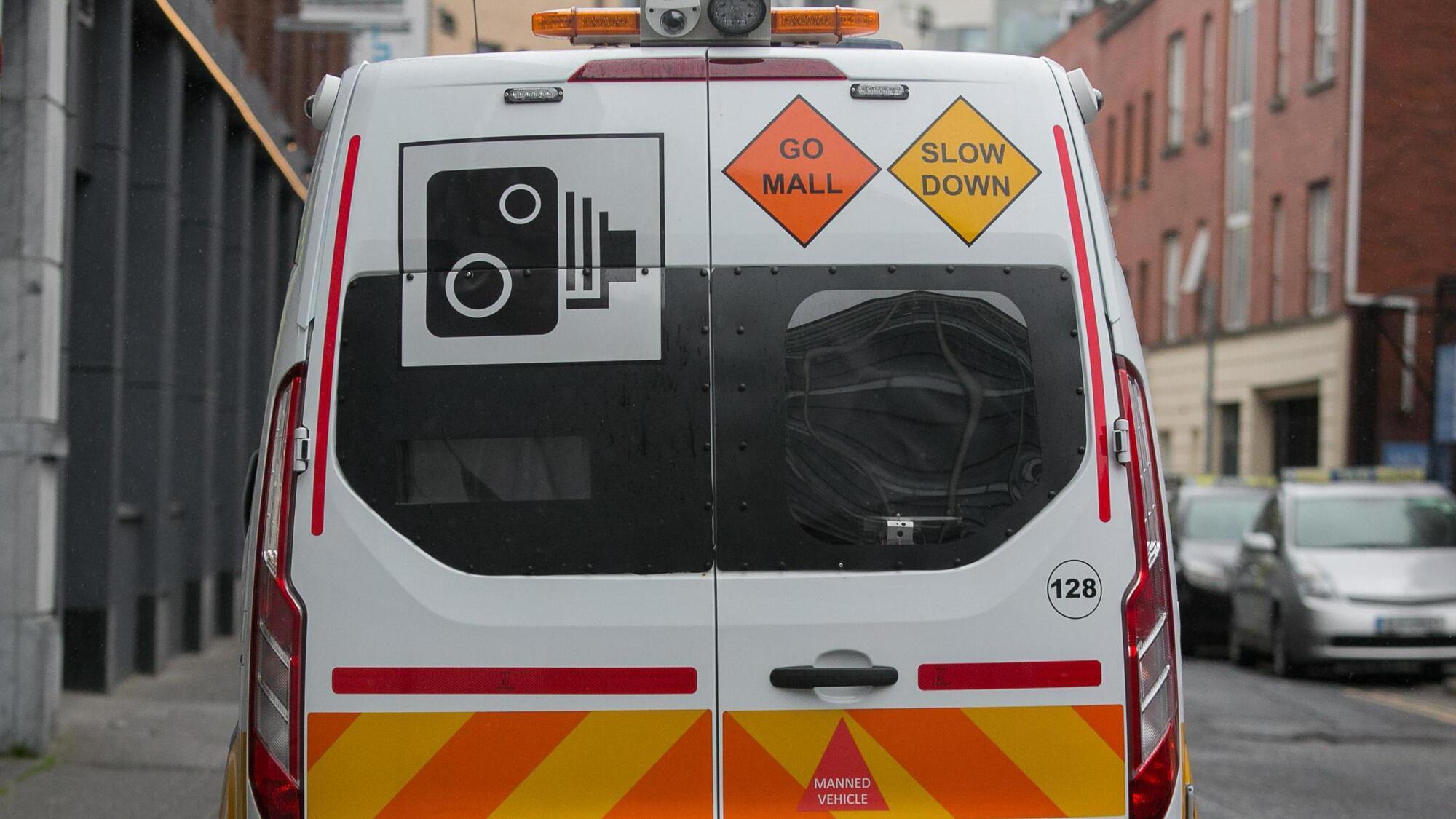
On Monday, Justice Minister Helen McEntee said an additional €1.2m would be allocated for more GoSafe speed vans, allowing for an extra 1,500 hours of monitoring per month until the end of this year.

On the same day, Mr Chambers said changes to the penalty points system and tougher sentences for road traffic offences are all also under consideration by Government.

x

More in this section

Lunchtime News

Newsletter

Get a lunch briefing straight to your inbox at noon daily. Also be the first to know with our occasional Breaking News emails.

Cookie Policy Privacy Policy Brand Safety FAQ Help Contact Us Terms and Conditions

© Examiner Echo Group Limited