Number of gardaí assigned to road policing falls 17%
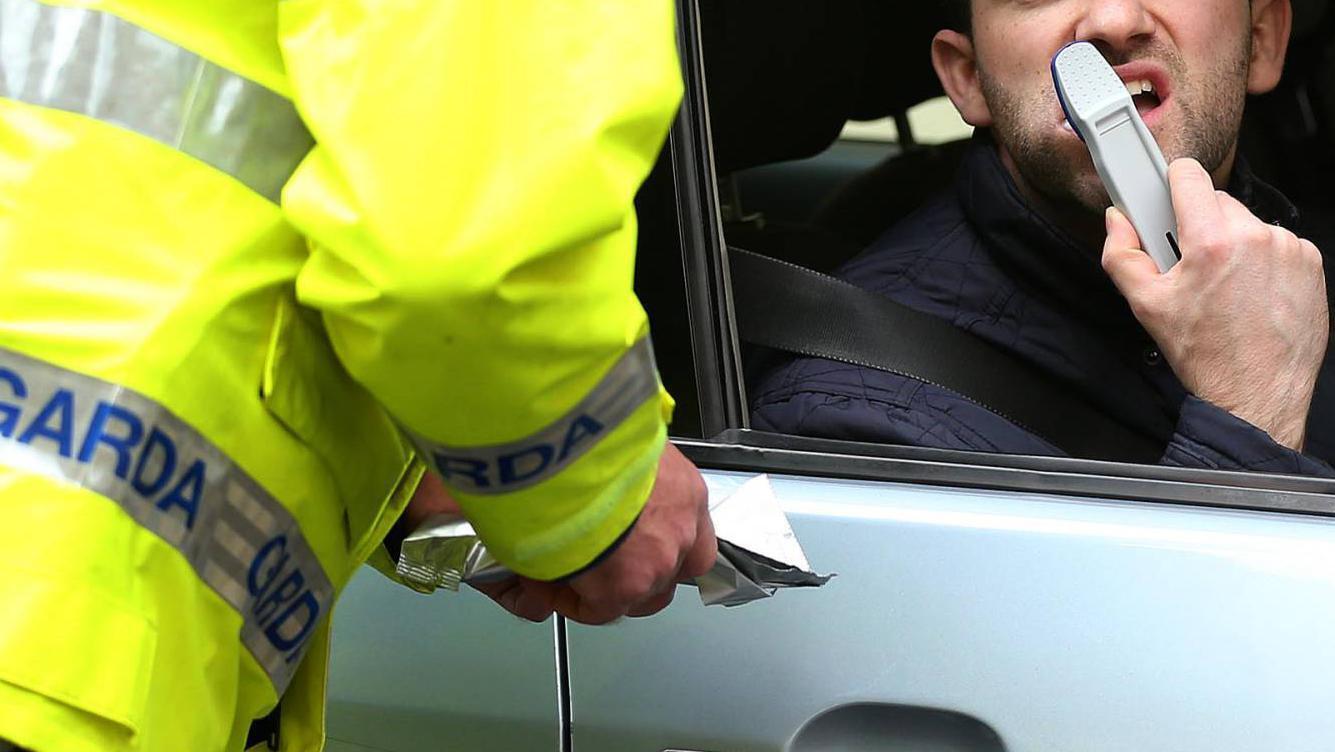
Gardaí have carried out 27,000 checkpoints so far this year and detected 5,100 people driving under the influence of drugs or alcohol. Picture: Robbie Reynolds
The number of gardaí assigned to the Garda National Roads Policing Bureau has fallen by 17% over the last decade, the has learned.
In 2013, there was a total of 804 officers working in the section, then known as the Traffic Corps. Latest figures by An Garda Síochána show up to July this year 664 members of the force were working in road policing nationwide.
The statistics come as the number of road fatalities so far this year has reached 127. That includes four young people who lost their lives in a crash in Clonmel, Co. Tipperary, on the night of the Leaving Cert results.
Two toddlers have also died, a three-year-old boy who died in a crash with his grandparents last week in Cashel, Co. Tipperary, and a three-year-old girl who died in Portlaoise after being struck by a car.
An Garda Síochána statistics show Dublin has the highest number of gardaí assigned to roads policing, with 152 officers stationed across seven areas of the county. Cork is divided into different sections for the city, north and west, with 73 gardaí covering the three areas.
Gardaí say the statistics are based on “operational data which has been provided by An Garada Siochana and may be subject to change”.
However, one leading barrister who specialises in road traffic law said that there is a “clear and tangible disconnect” between enforcement and convictions in court. David Staunton said the Road Traffic Act is “too complex” and cases “can fall” as a result.
“The road traffic act is too complex, it does not allow for the proper and effective prosecution of certain types of offences. And the road traffic act, in truth, needs to probably be ripped up and simplified to a large extent so that when gardaí are on the beat detecting people who are committing offences, if they are detected, when it comes to court there is an ultimate outcome of a conviction," he told RTÉ Radio 1.
“When the case does come to court there’s absolutely no doubt and I think anyone who is in practice, anyone who has been in court over the last number of decades will see, often cases fall because of the manner in which the legislation has been drafted and the courts are effectively bound to dismiss prosecutions because of needlessly complex and technical provisions.”
In a statement, gardaí said it is “committed to reducing road deaths through education, prevention, and enforcement. All road users have a responsibility to look after each other on the roads by slowing down, putting their smartphone down, wearing their seat belts, and not drink- or drug-driving.
“It is only through partnership will the country reduce road deaths which every year bring such pain and suffering to families around the country. The number of gardaí assigned to Road Policing Units is kept under constant review. In recent years, new technology, such as the Garda mobility app, have been deployed to over 12,000 gardaí to assist in enforcing road safety”.
Meanwhile, a number of initiatives are underway to urge drivers to be more cautious on the roads. Operation ‘Slow Down’, the 24-hour national speed enforcement campaign got underway on Monday and runs until 7am on Tuesday,
And last week Superintendent Liam Geraghty made a public plea asking drivers to take care on the roads. He added that, while he had not seen full level research into what is causing the increase in road deaths, “certainly our levels of drink- and drug-driving seem to be increasing”.
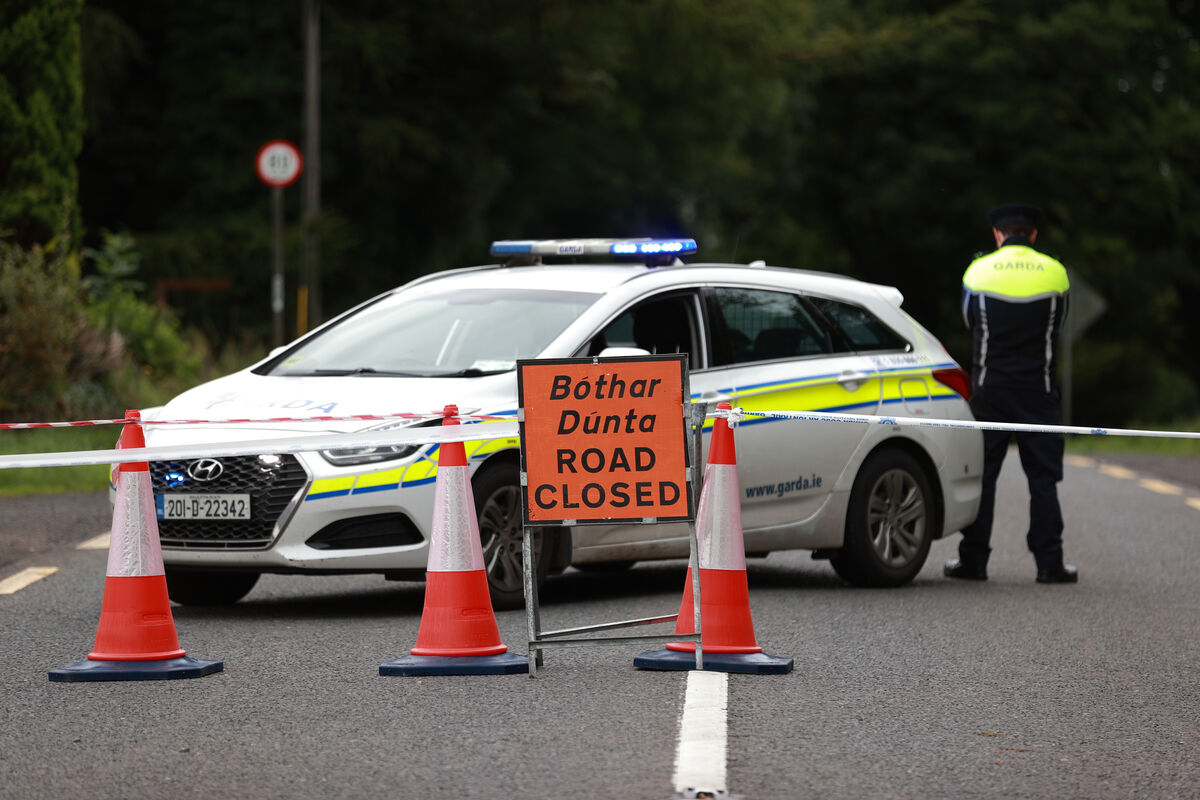
He also described how gardaí had carried out 27,000 checkpoints so far this year and detected 5,100 people driving under the influence of drugs or alcohol, with a further 105,000 people detected breaking the speed limit.
More than 12,500 people have been issued with fixed charge penalty notices for using phones, but Mr Geraghty said a bigger problem was "distracted driving".
He said: "The basic message will be for people to slow down. That does not mean don't break the speed limit. It means slow down and drive at an appropriate speed to the weather, the vehicle, the road and traffic conditions that you find yourself in at any particular time."
There are also 1,373 safety camera zones nationwide, according to garda figures.
CONNECT WITH US TODAY



Be the first to know the latest news and updates