Rivers to be nurtured back to 'pristine water quality' status under €20m plan
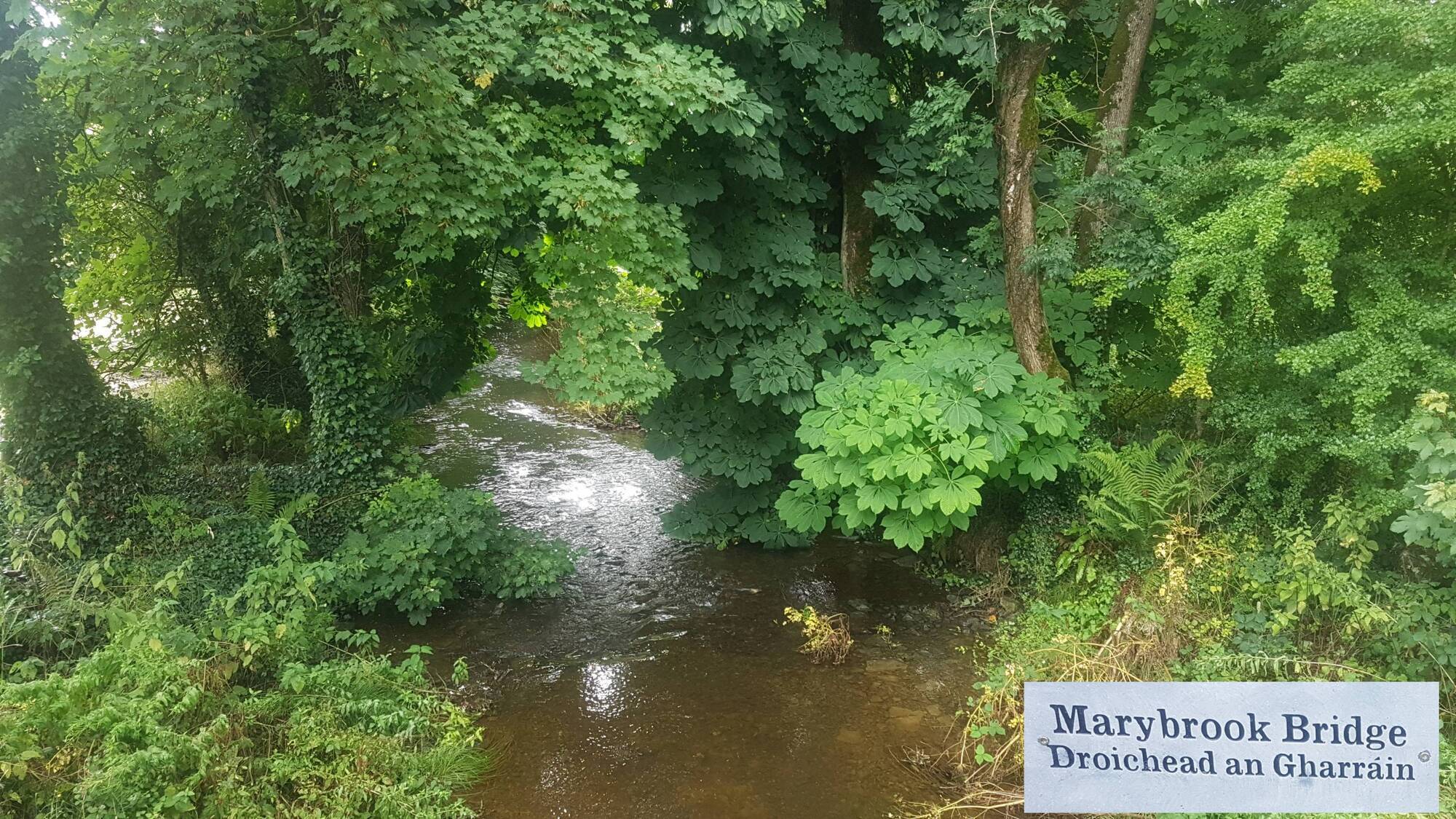
Awbeg river at Marybrook Bridge, Castlemagner. Picture: Catherine Seale Duggan, LAWPRO
Two Cork river catchments are among six across the country primed to be nurtured back to "pristine water quality" — considered unpolluted and biodiversity rich — as part of a €20m project.
The Shournagh around Tower and Blarney and the Awbeg around Kanturk will join the likes of Lough Graney in Clare and the Sheen in Kerry, after a months-long probe into how they can be brought back to "best of the best" status.
The €20m EU-funded Waters of Life project aims to restore the six areas to so-called "high status or pristine waters", which is when they are judged as close to pristine condition, rich in biodiversity, and show little or no impact from human activity.
The Croom, Limerick-based Waters of Life team will now begin to roll out actions identified in recent months as necessary to bring them back to the highest quality status.
The Department of Housing, Local Government, and Heritage, which oversees the operation, said Waters of Life is working with landowners, local authorities, and communities to make improvements to the water quality of each catchment.
The Shournagh, which rises in the foothills of the Boggeragh Mountains around 25km northwest of Cork City, has five distinguishable areas of water, but two of those five need to be nursed back to pristine status after following into the "moderate" ranking.
Urban wastewater and runoff, as well as agriculture and some one-off housing runoff have contributed to the area around Blarney losing its pristine status, with elevated phosphorus and nitrates detected.
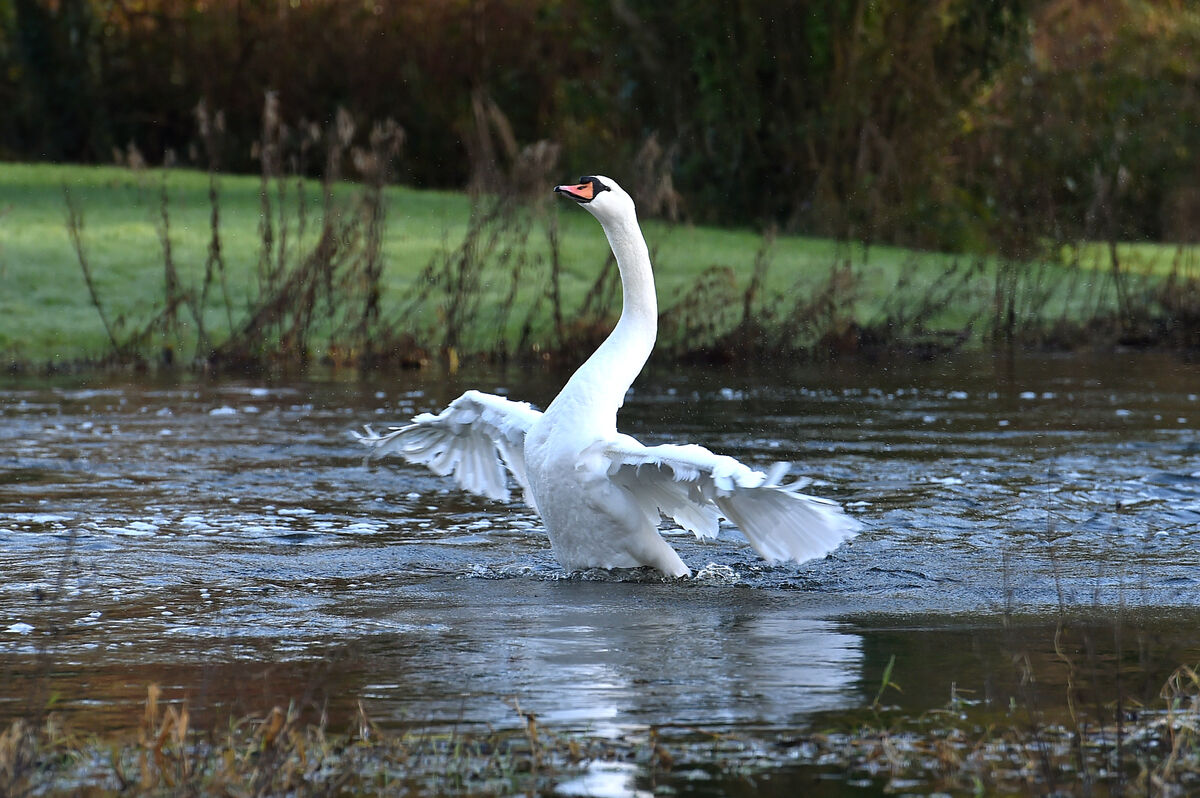
The catchment includes areas of wet woodland, scrub, scrub woodland and old estate mixed woodland, while dippers and grey wagtails are known to feed along and around the river channels. It also supports salmon and other fish.
The Awbeg catchment in North Cork comprises a tributary of the Blackwater, known locally as the Awbeg river, and the Lisduggan which flows into the Awbeg to the south of Castlemagner.
A special area of conservation nearby includes otters, salmon, lamprey, twaite shad, freshwater pearl mussel, and includes the lower 2-3km of the Awbeg before it joins the Blackwater.
Nutrient pollution from agriculture as well as urban wastewater from the Castlemagner wastewater treatment plant have been linked with the high quality diminishing, with nitrate a potential significant issue impacting water quality, an assessment found.
Overall, just 44% of rivers across the country for which a pristine objective has been set in the River Basin Management Plan for Ireland are currently achieving that status.
The Waters of Life team will now use the insights found to help bring the river catchments back to the "best of the best", with it particularly keen to work with farmers and landowners.
Participating landowners including foresters will be able to avail of support from a voluntary results-based payments scheme linking higher environmental quality with higher payments, the department said.
Heritage Minister Malcolm Noonan TD called it "imperative" to bring back water areas to pristine condition.
“High status water bodies are a precious resource and it is imperative that we not only halt, but reverse their decline.
"Today’s report highlights new and valuable insights into our highest status waters, and we hope to see this knowledge put to good use, not just through the Waters of Life project but by farm advisors, landowners, and all of the stakeholders working to improve water quality."
He pointed to other nature restoration schemes that paid out grants of more than €2.4m in 2022 as incentives of local farmers, landowners, and communities getting involved.
"I encourage eligible groups in the areas around those catchments to get involved in the project," he said.

CLIMATE & SUSTAINABILITY HUB
CONNECT WITH US TODAY



Be the first to know the latest news and updates