Number of dogs entering pounds jumps as does number being euthanised 
Number of dogs entering pounds jumps as does number being euthanised 

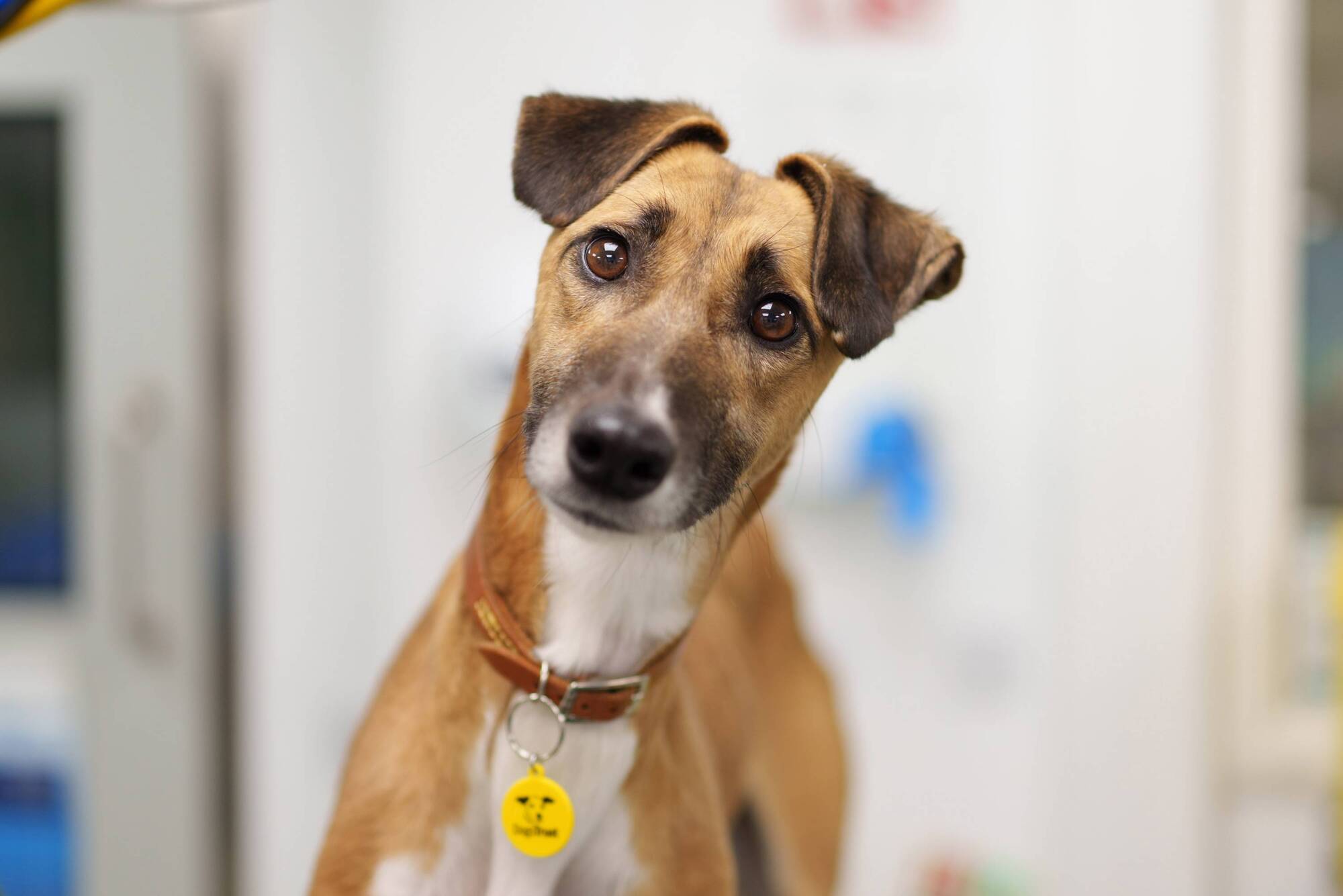
The number of stray dogs that have entered pounds in 2022 has increased by 95% to 7,352 from 4,165 in 2021. Pictures: Fran Veale 

Animal charity Dogs Trust has warned new Government figures "do not fully reflect the unwanted dog crisis animal welfare charities are currently facing".

The Department of Rural and Community Development published the latest Irish Dog Control Statistics this week and it found 7,352 stray or unwanted dogs in 2022, an increase from 4,165 in 2021. 

The report found while 5,045 strays entered pounds, 2,064 were surrendered and 243 were seized. 

It also revealed 340 stray or unwanted dogs were euthanised in pounds last year, a jump from 167 in 2021. 

The report says dog welfare charities have suggested a return to life post-lockdown, resuming in-office working and reopening of travel has left many dog owners struggling with dogs that are used to more 'attention and time'.

Cork county saw the highest number of euthanised dogs with 66, followed by Co Wexford with 51, Galway county with 28 and Co Clare with 24.

Under the Control of Dogs Act, dogs who have completed their mandatory five-day stay in dog pounds can be euthanised to create space, if the pound cannot rehome them or find a rescue with space to take them.

Dogs Trust said it was an "upsetting reality" that due to the sheer volume of unwanted dogs, "there simply isn’t enough space to house the dogs that are being surrendered".

Dogs Trust Ireland executive director Suzie Carley said the figures from 2022 are not a full reflection on the number of dogs entering facilities like pounds. 

"From January until the end of July 2023, we have dealt with 2,379 cases of people seeking to relinquish their dogs into our care. This is an average of more than 11 requests per day, and a 41% increase compared to the same period in 2022.

We, like many other organisations, are completely overwhelmed and sadly fear that this is only going to get worse."

Of the stray and unwanted dogs found last year, 1,468 were reclaimed and 2,122 were rehomed. 

The report also highlighted that surrenders, while low during years marked by lockdown, have steadily increased.

The report says dog welfare charities have suggested a return to life post-lockdown, resuming in-office working and reopening of travel has left many dog owners struggling with dogs that are used to more "attention and time".

'It may be the case that a better understanding of what is involved in dog ownership and the lifetime cost and commitment it involves could have avoided some of this crisis,' Dogs Trust said.

"When coupled with a housing crisis, and reports that landlords may be reluctant to accept dog owners as tenants exacerbated by a cost-of-living crisis, it is clear that some dog owners have struggled to cope and felt no alternative but to surrender their dogs," the report said. 

"It may be the case that a better understanding of what is involved in dog ownership and the lifetime cost and commitment it involves could have avoided some of this crisis."

Aggressive dog behaviour

The Government figures also show there was more than 300 people injured in dog attack incidents last year.  

Some 791 incidences of aggressive dog behaviour was reported to local authorities last year — 308 people were physically injured, with the figure including damage to clothes.

This is the first time statistics on aggressive behaviour or dog attacks have been compiled. The report said this data "was not uniformly collected by Local Authority Dog Services in advance of the compilation of data and therefore there are some gaps". The stats are presented as "a snapshot of the situation".

The report also said it "may be possible" that injured parties reported the attack to gardaí or presented themselves for medical attention but did not alert the local authority dog wardens. 

It follows a serious incident in Wexford last year where a child suffered significant injuries in a dog attack, which has since reignited debate on dog control legislation and enforcement. 

Last year also saw an increase in reports of livestock worrying, with 268 incidents reported. This is a 24% increase on previous year. 

Livestock worrying is where dogs attack or chase livestock on agricultural land.

The farming community has been concerned about threats to livestock in recent months, with the Irish Farmers Association continuing their "No Dogs Allowed" campaign in 2022. It requested no dogs being brought into or near farmland. The campaign also urged all dog owners to "behave in a responsible way".

The Government issued 205,919 dog licences last year, a jump of almost 5,000 on the 2021 figures. 

x

More in this section

Lunchtime News

Newsletter

Get a lunch briefing straight to your inbox at noon daily. Also be the first to know with our occasional Breaking News emails.

Cookie Policy Privacy Policy Brand Safety FAQ Help Contact Us Terms and Conditions

© Examiner Echo Group Limited