ASTI: Teacher shortage crisis 'at its worst' and undermining education
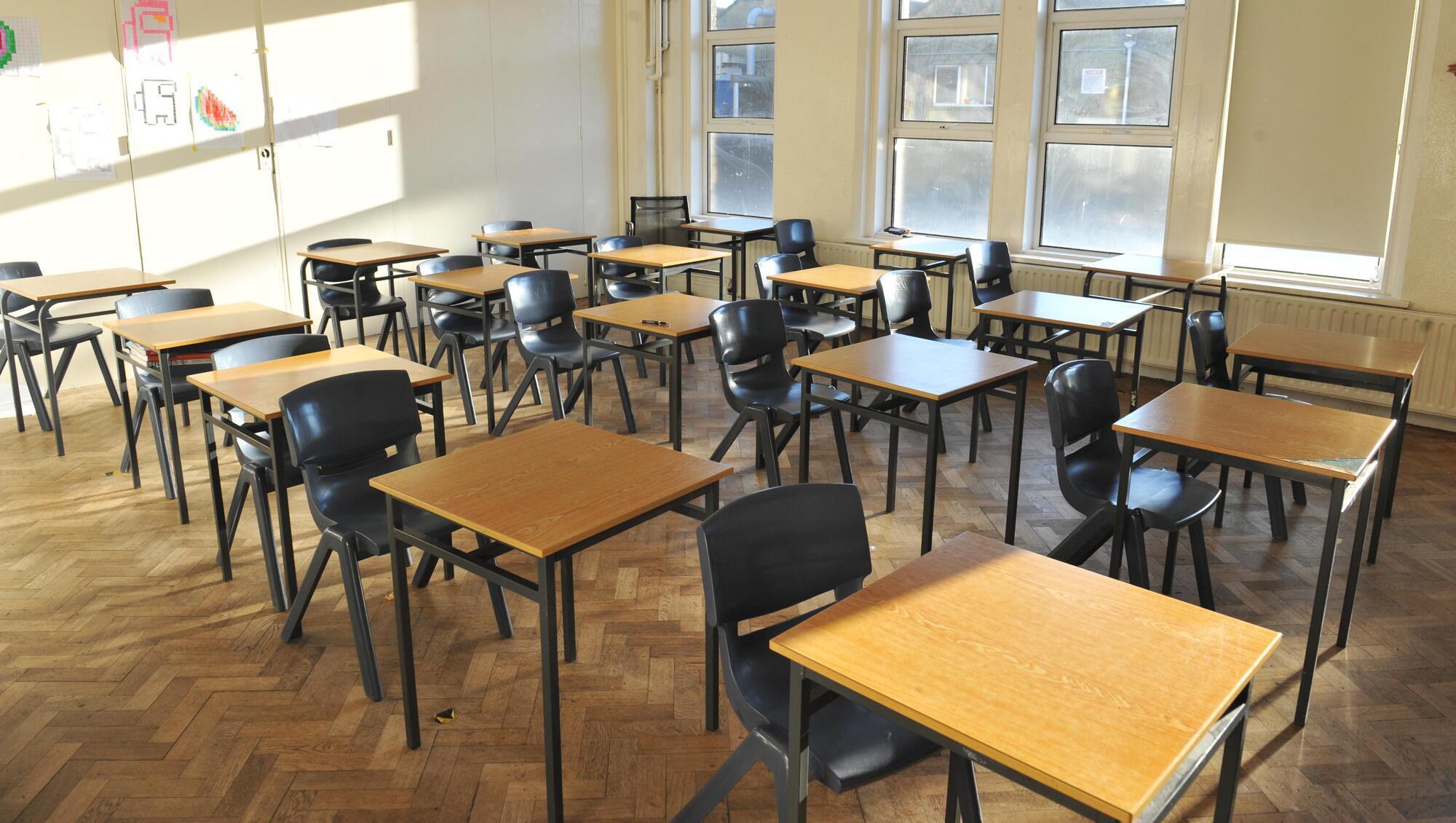
An ASTI survey carried out earlier this year found that three-quarters of school leaders had received no applications for an advertised teaching post in the 2022/23 school year. File picture: Larry Cummins
The new President of the Association of Secondary Teachers in Ireland (ASTI) has said the teacher shortage crisis must be addressed as a matter of urgency saying it is now “at its worst”.
Geraldine O’Brien, a second-level teacher at St Joseph’s Community College in Kilkee, Co. Clare said the crisis is undermining students’ education and that the Government “must get real” about addressing factors which make teaching in Ireland unattractive.

“While the teacher shortage problem goes back several years, research indicates it is now at its worst. Housing difficulties, teachers’ workload, and the fact that schools are starved of essential resources are key reasons behind this,” she said.
An ASTI survey carried out earlier this year found that three-quarters of school leaders had received no applications for an advertised teaching post in the 2022/23 school year.
“The Government must tackle housing issues affecting young workers. Teachers’ working conditions must be also tackled through proper investment in schools and in the teaching profession,” Ms O’Brien said.
She noted that the OECD report Education at a Glance 2022 ranked Ireland 36th out of 36 countries in terms of investment in second-level education as a percentage of GDP.
“What this means is under-staffed and under-funded schools, leading to burn-out and demoralisation amongst teachers,” she said.

John O’Donovan, Principal at St. Joseph’s Secondary School in Kerry, said he is concerned about the years ahead as the number of teachers applying for positions has “gone way down” with minimal interest.
Mr O’Donovan believes the cost-of-living crisis has sent teachers abroad in search of more favourable tax systems with positions in teaching maths or physics in particular receiving one or two applications.
“Some of them might work for two or three years, get a CID, and head off to Dubai for five or six years. I suppose it's hard to blame them, it’s tax-free out there and they can make a bit of money to pay a deposit on a house,” he said before adding: “It’s very difficult to keep them at home.”
He said the acceptance of job offers often fall through due to more favourable locations or circumstances for applicants which leaves schools in the lurch at the last minute. “I am aware of some of my colleagues in Dublin who could advertise six or 10 positions and could be re-interviewing the whole lot of them again,” he said.
He said his school has been quite lucky when compared with colleagues in Dublin, where the current crisis is “horrific”. “A couple of principals in Dublin told me they had to drop subjects from their curriculum because they couldn't get teachers which is quite alarming,” he said.