'When young children have to wait for treatment this can cause serious damage'
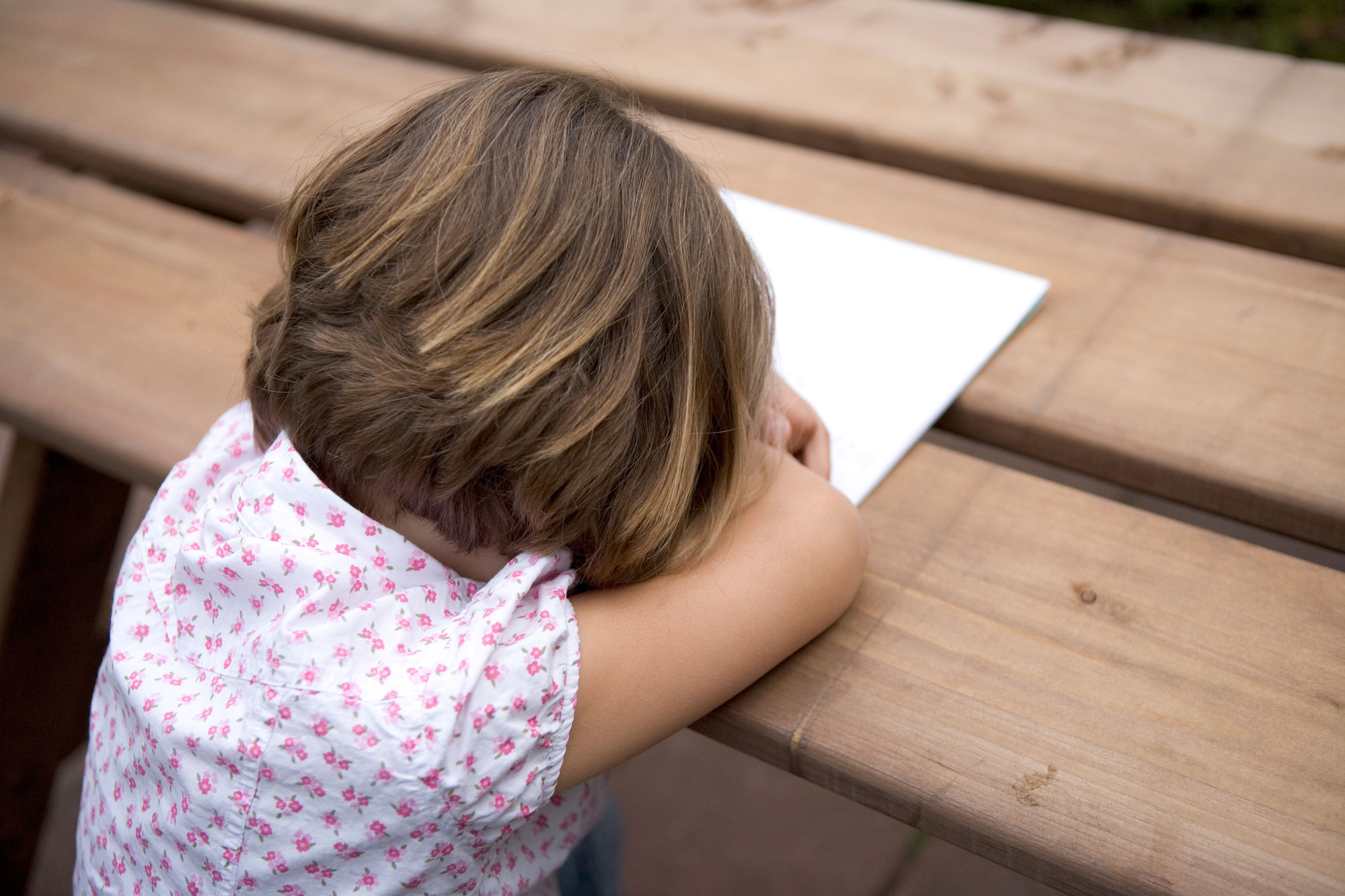
The chief executive of Children at Risk Ireland, Emer O’Neill, said child victims of sexual abuse "may face fear, guilt, shame and anger and this can have a drastic impact on every area of their young lives". File picture
The Government has been urged to provide much-needed funding for essential therapy for child victims of sexual abuse, amid warnings they may face up to four years on waiting lists.
Children at Risk Ireland (CARI) made the call following a damning Hiqa report into Tusla’s child protection and welfare service in the Dublin south-west, west Kildare and west Wicklow area.
Hiqa said there was a “chronic shortfall in staffing resources to meet the demands of the service” and “an unacceptably long wait time for preliminary enquiries to take place” especially for cases prioritised as low or medium risk at initial screening.
“As enquiries did not take place in a timely fashion, the risk to these children was largely unknown,” it said.
In one case, a four-year-old boy who alleged inappropriate contact by an older child remained on a service waiting list for a period of five months. In another, a teenager who alleged sexual assault was found to still be on a waiting list 14 months later.
Another case brought to the Hiqa inspectors’ attention involved a teenager who was removed from their home following an alleged assault. The service received a message to say the teen had been taken to another country, but no contact was made with them or their family to establish their whereabouts or safety.
One manager told inspectors they felt as though they were “robbing Peter to pay Paul” in their attempts to allocate insufficient staff resources.
Children’s Minister Roderic O’Gorman admitted that recruitment and retention of social workers was a significant problem at present, and said the details of the report were “concerning”.
In the wake of the report, CARI chief executive Emer O’Neill said there are currently 187 children and teenagers on their waiting list.
“Children and teenagers have to be assessed first,” she said. “Then they are referred to us, and could wait one-and-a-half years or more to receive the therapy they need to cope with the sexual abuse.”
Ms O’Neill said that over a third of children referred to its Dublin centre are from the region covered by the Hiqa report.
“When young children have to wait for treatment this can cause serious damage,” she said, adding that specialised therapy and support are needed to support them.
“So, they may face fear, guilt, shame and anger and this can have a drastic impact on every area of their young lives. They can struggle with sleeping and eating, and can develop behavioural problems, such as becoming aggressive, withdrawn or clingy.
“There could be issues in school, such as lack of concentration and engagement. They may face a huge mental struggle to maintain or form relationships, because it is so hard for them to overcome their fears and trust people.”
Ms O’Neill added that, without adequate funding, children will continue to endure years of waiting for therapy they urgently need.

CONNECT WITH US TODAY



Be the first to know the latest news and updates