Ireland cannot tax its way to meeting greenhouse gas emissions targets, State told
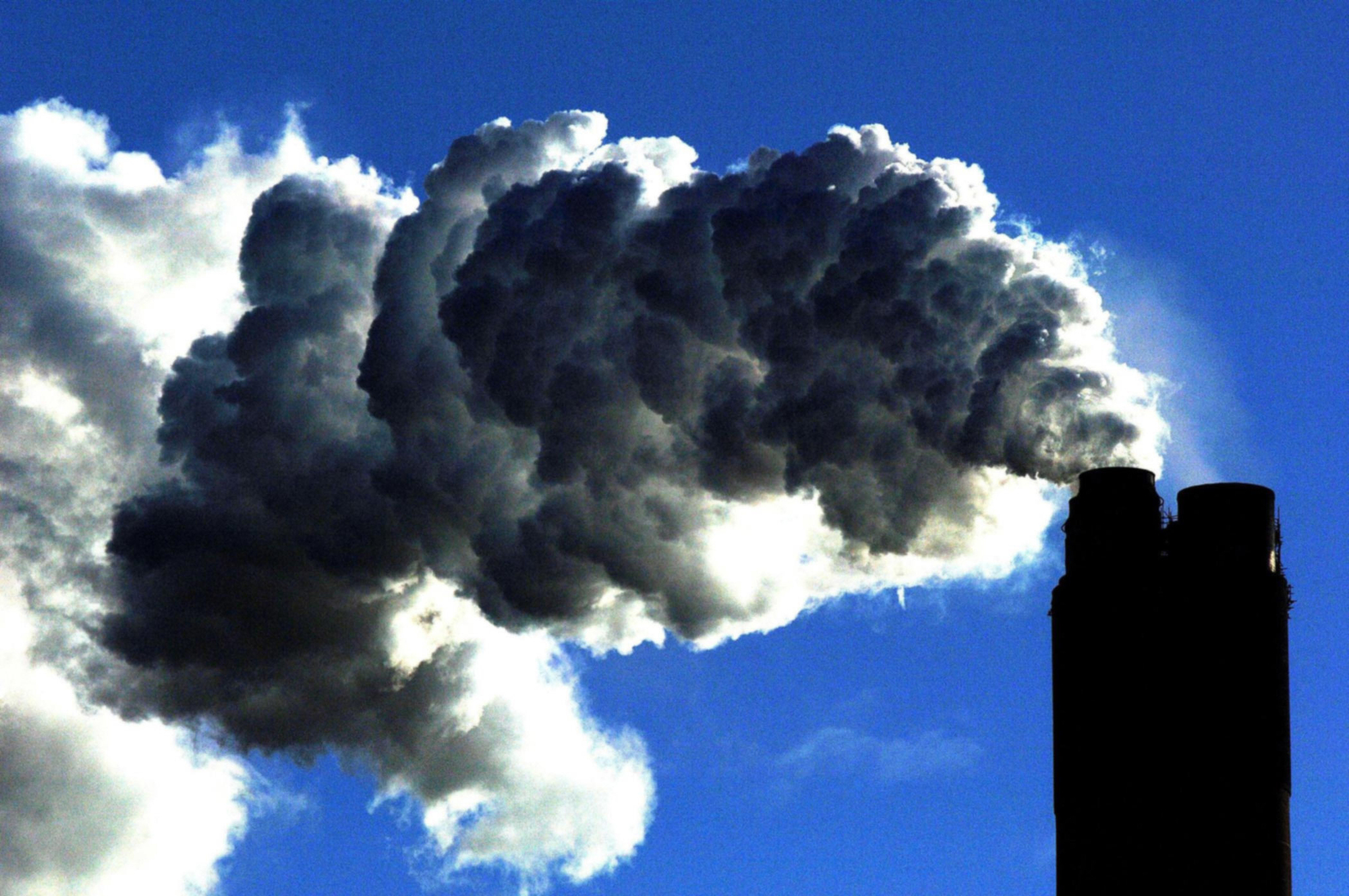
A coal fired power plant. It comes as the Environmental Protection Agency’s latest figures earlier this month showed that Ireland reduced its greenhouse gas emissions a paltry 1.9%
Ireland cannot tax its way to meeting greenhouse gas emissions targets and the State will need to prepare for how it makes up the lost tax revenue as we move to a lower carbon future, a new Government report has said.
The paper from the Department of Finance said that taxes on fossil fuels are estimated to fall by €1bn by 2030 as individuals and businesses adapt their behaviour to use less fossil fuels and fewer fossil fuel cars over the medium term.
At present, environmental taxes contribute around €5.3bn annually to the exchequer. This represents 6.4% of the overall tax take, which is only half of what it represented in 2012. But this may fall to around €4.3bn by 2030 if current policy remains unchanged.
The department looked at potential fiscal impacts of the transition to a lower carbon economy in Ireland, and said that the Government will need to consider how use taxation as an “instrument” in the transition to reducing our emissions but that this is an “economy-wide problem” that can’t be addressed through tax alone.
It comes as the Environmental Protection Agency’s latest figures earlier this month showed that Ireland reduced its greenhouse gas emissions a paltry 1.9% in 2022 despite a commitment to slashing emissions by 51% by 2030. The EPA’s figures also showed that greenhouse gas emissions linked to transport are continuing to surge despite a spike in people switching to electric vehicles.
In its report, the Department of Finance said that taxation can play a “central role in incentivising or nudging the behavioural change necessary to reduce greenhouse gas emissions”.
It labels the revenue from a number of taxes as “at risk” from Ireland moving to lower emissions. This includes Carbon Tax, VRT, motor tax and VAT on motor fuel.
It said: “The current growth to date and expected growth in EVs over the medium term is a positive development but it also poses challenges for the sustainability of the revenue the State receives from VRT.”
The department said that climate change will be just one of the pressing issues facing Ireland and the public finances in the future.
It said: “Over the medium to longer term to take account of decarbonisation of the economy, policy and policy makers, will also need to prepare for eroding energy and transportation tax receipts from the overall exchequer tax base, to ensure the sustainability of the tax base.
“Against this background, policy must also be cognisant that public finances in Ireland will also come under increasing pressure from factors other than climate change, such as population ageing and demographic changes.” To handle this then, the paper concludes that the State will need to find additional revenue streams to make up for the fall in the tax take on so-called environmental taxes, while still encouraging people to lower their carbon impact."

CONNECT WITH US TODAY



Be the first to know the latest news and updates