Taoiseach objects to mobile phone mast in his constituency
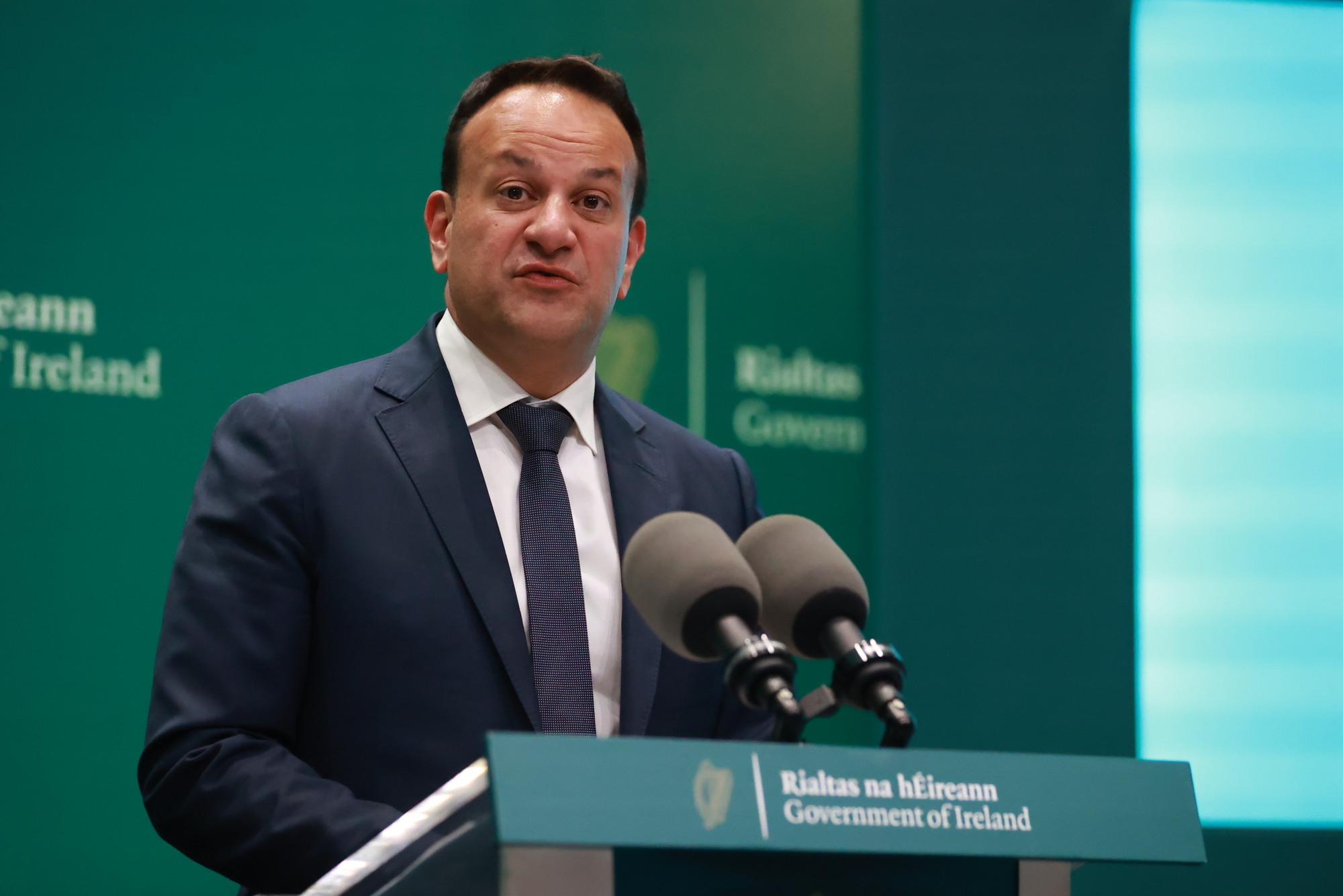
Taoiseach Leo Varadkar said the area proposed for the mast is 'not a suitable location for this structure' as it will be 'visually obtrusive to many of the residents'. File picture
The Taoiseach has publicly endorsed an objection to a mobile phone mast in his constituency under planning legislation which has seen similar masts erected across the country.
In a message to constituents, Leo Varadkar said the mast, granted under Section 254 of the 2000 Planning and Development Act, would be “injurious to the residential amenity of the area”.
He said the area proposed for the mast, on the junction of the residential Delwood and Roselawn Roads in the west Dublin suburb of Castleknock, is “not a suitable location for this structure” as it will be “visually obtrusive to many of the residents”.
“Most importantly, it will be a hindrance to motorist visibility at this very busy junction,” he said, adding that there would be “many alternative locations in the area on commercial and other premises which would be more suitable”.
The mast in question was first applied for by On Tower Ireland to Fingal County Council in March of this year under Section 254, a controversial provision which means that no formal planning permission is required for its construction.
Such mobile masts are typically used to bolster mobile broadband speeds in areas containing coverage black spots. They have become more and more common around the country as internet speeds have increased exponentially in recent years.
Section 254 applications cost €125 to lodge with a local authority, and had originally been intended for low-level street infrastructure running parallel to existing roadways, such as applications by pubs and restaurants for permission to place tables and chairs on the streets.
While 254s do not require planning permission, they can be appealed to ABP, the State’s national planning authority, as is the case with the Roselawn application.
A number of such applications in counties as varied as Wicklow, Galway, Dublin and Tipperary have ended up before the High Court in recent months via judicial reviews. The results of those cases remain pending.
John Walsh, a local Labour councillor for Castleknock who appealed the mast decision on which the Taoiseach was commenting, criticised the “secretive” nature of the Section 254 planning process.
“I have no difficulty with facilitating improved broadband infrastructure, but the 254 licence process is very undemocratic and secretive,” he said.
Mr Walsh said he had made the appeal to An Bord Pleanala last month in order to “create a consultation period” during which the two residential associations in the area may decide to support the appeal should they wish to.
He said that he had first noticed the application by On Tower as Fingal County Council had begun including 254 applications in their planning lists on foot of pressure from local councillors, but added that nevertheless most residents only became aware of the plan after the council had already granted permission.
“While it’s fair enough that the Taoiseach has made a submission opposing this application, the Government should act urgently to ensure that all applications for telecommunications infrastructure are subject to the planning process,” Mr Walsh said.
“This secretive planning process is a problem created by the Government. The Government has the power to resolve it,” he added.
Read More