Ireland has 'first class' family legislation but 'third world' courts system, says Law Society

The Family Courts Bill 'needs to go further to ensure that the voice of the child is heard in cases concerning their interests and welfare,' said the Law Society's Peter Doyle.
Ireland has first-class legislation on family law, but continues to have “third world” infrastructure, the country’s solicitors have said.
The Law Society said that while the publication of the Family Courts Bill was significant, its principles will become a “false promise” to users of the family courts if the facilities themselves are not improved.
The chairman of the society’s family and child law committee, Peter Doyle, also said the bill needed to go further to ensure the “voice of the child” is heard in cases involving their welfare.
He was speaking ahead of a Law Society's family law conference on Friday, which will be addressed by international experts and senior judges.
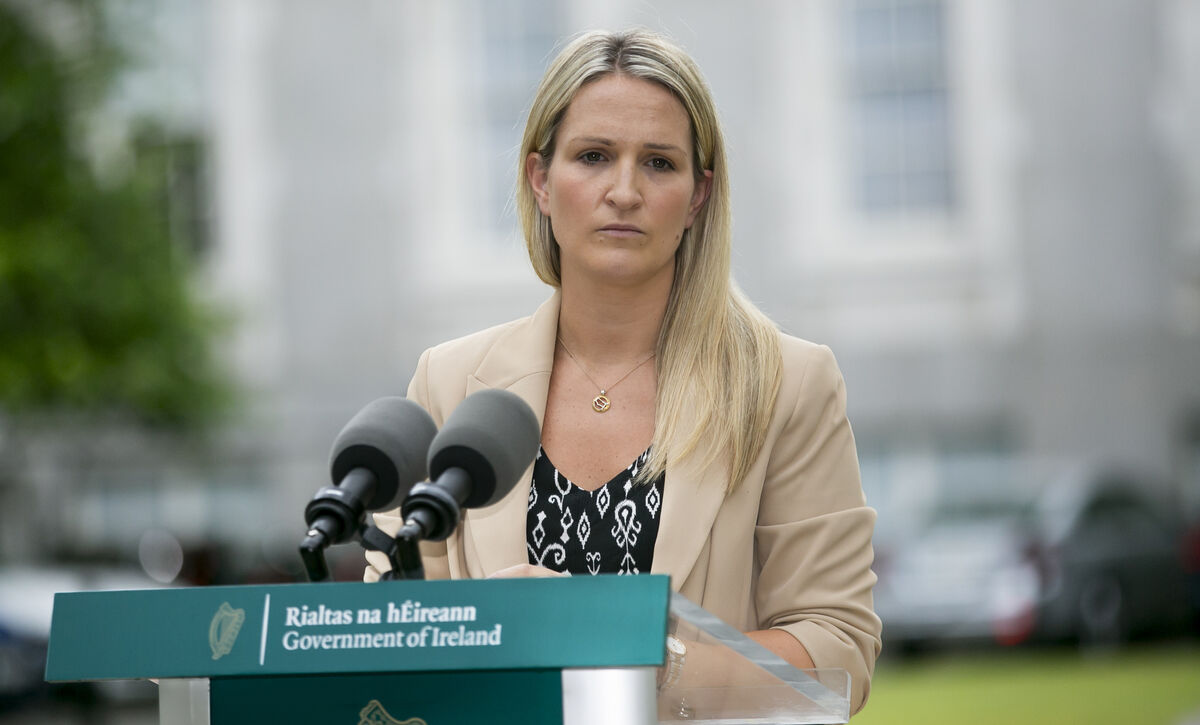
Justice Minister Helen McEntee published the Family Courts Bill last November, which will create a dedicated Family Court and the construction of a modern Family Law Court complex at Hammond Lane in Dublin's legal quarter.
The Department of Justice initially published the bill in November 2018, while the first announcement of Hammond Lane complex was made in December 2014.
Mr Doyle said: “While the publication of the Family Courts Bill is significant and welcome, we now have first-class legislation and third-world infrastructure.
“The guiding principles contained in the bill will become a false promise to litigants and their families where there is no change to the family court infrastructure.
He said changes need to be made to the bill to strengthen the requirement for court-appointed advocates for children.
“Crucially, the bill needs to go further to ensure that the voice of the child is heard in cases concerning their interests and welfare," he said.
“Guardians ad Litem are independent persons appointed by the court for the duration of court proceedings relating to a child — the bill must allow for their appointment in all cases where children are the subject of care proceedings.”
Director general of the Law Society, Mark Garrett, pointed out that family court reform was first promoted by the Law Reform Commission in the 1970s.
“It is a longstanding priority for the Law Society,” he said.
“Our conference is another opportunity to highlight these issues. We welcome the minister’s commitment to reform the family justice system and look forward to working in collaboration to ensure the implementation of this important legislation provides access to justice for families and children.”
The bill is currently at the second stage in the Seanad. If enacted, some of the main changes the bill will bring about include the establishment of a Family High Court, Family Circuit Court, and Family District Court as divisions of the existing High Court, Circuit Court, and District Court, respectively, and the provision for the assignment of principal judges and other judges to the family courts.

CONNECT WITH US TODAY



Be the first to know the latest news and updates