Scans and X-rays add hours to emergency department wait times, study finds
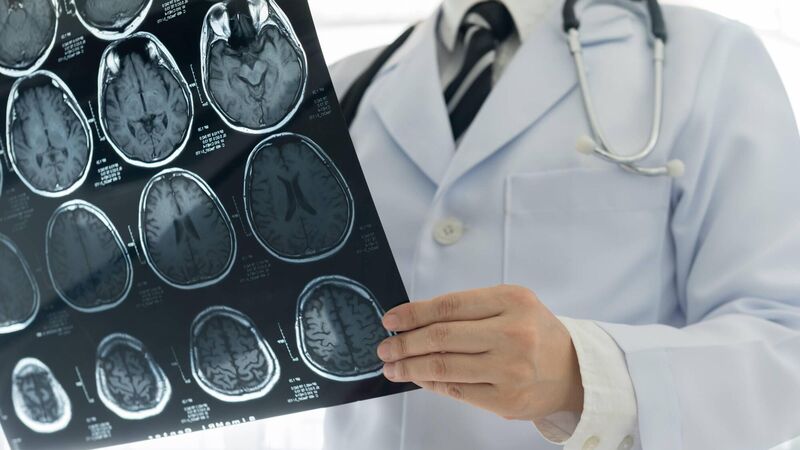
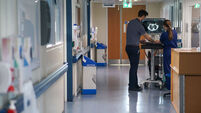
Patients needing any kind of radiological treatment had a mean stay in the ED of four hours longer than patients who did not need X-rays or scans of any kind, study found. Picture: iStock
Just 40.2% of emergency department patients were seen within the HSE's six-hour target, with delays often linked to waits for tests.
A new study has called for a reduction in the time it takes for processing scans and blood tests by improving hospital systems to help cut the time patients wait in emergency departments (EDs).
The researchers found patients needing a CT scan experienced an average wait of six hours longer than those who did not.
An X-ray was linked with an increased wait of over three hours and patients who needed blood tests spent an extra six hours and 30 minutes waiting in the emergency department (ED).
The research, led by Dr Peader Gilligan, consultant in emergency medicine at Beaumont Hospital, Dublin, sought to assess the impact on patients of having to wait for tests in the emergency department.
The HSE target is for patients to be admitted to a hospital or discharged and sent home within six hours of registration at a hospital emergency department.
However, this study, published in the , found: “This research confirms that the likelihood of achieving the six-hour target is significantly reduced by needing investigations.”
The authors note in the past many of these tests or investigations were only done on patients after being admitted, but are now done in the ED in order to try and reduce admissions.
“The challenge is doing these tests with a view to hospital admission avoidance in what is often the most crowded part of the hospital,” the study found.
The research focused on a hospital that had 58,323 people attend the ED, with just under a quarter, or 24.9%, ultimately admitted. The six-hour target was achieved for 23,461 patients, or 40.2%.
Some 47.8% of those attending needed “ a plain X-ray” and waited over three hours longer than patients who did not.
Waiting for an MRI was linked with a mean increase of five hours and 24 minutes, the researchers found.
In general, patients needing any kind of radiological treatment had a mean stay in the ED of four hours longer than patients who did not need X-rays or scans of any kind.
The study found doctors said: “Being able to improve turnaround times for investigations to be performed and results made available would help in achieving timely care.
"Having more timely availability of laboratory tests and radiology would help to reduce EDLOS [emergency department length of stay] and ED crowding.”
The authors found this situation was reflected internationally, including in America where tests were linked to longer wait times for emergency patients.
They pointed also to a Japanese study that found increasing patient numbers added less than three minutes to the time spent in EDs, but requesting blood tests added 74 minutes to their experience.
The research also involved the Royal College of Surgeons in Ireland and University College Dublin.
'The tests and times study; achieving timely care in an emergency department' is published in the latest edition of the .


CONNECT WITH US TODAY



Be the first to know the latest news and updates