Watchdog upholds complaint over Ryanair seat discount advertisement
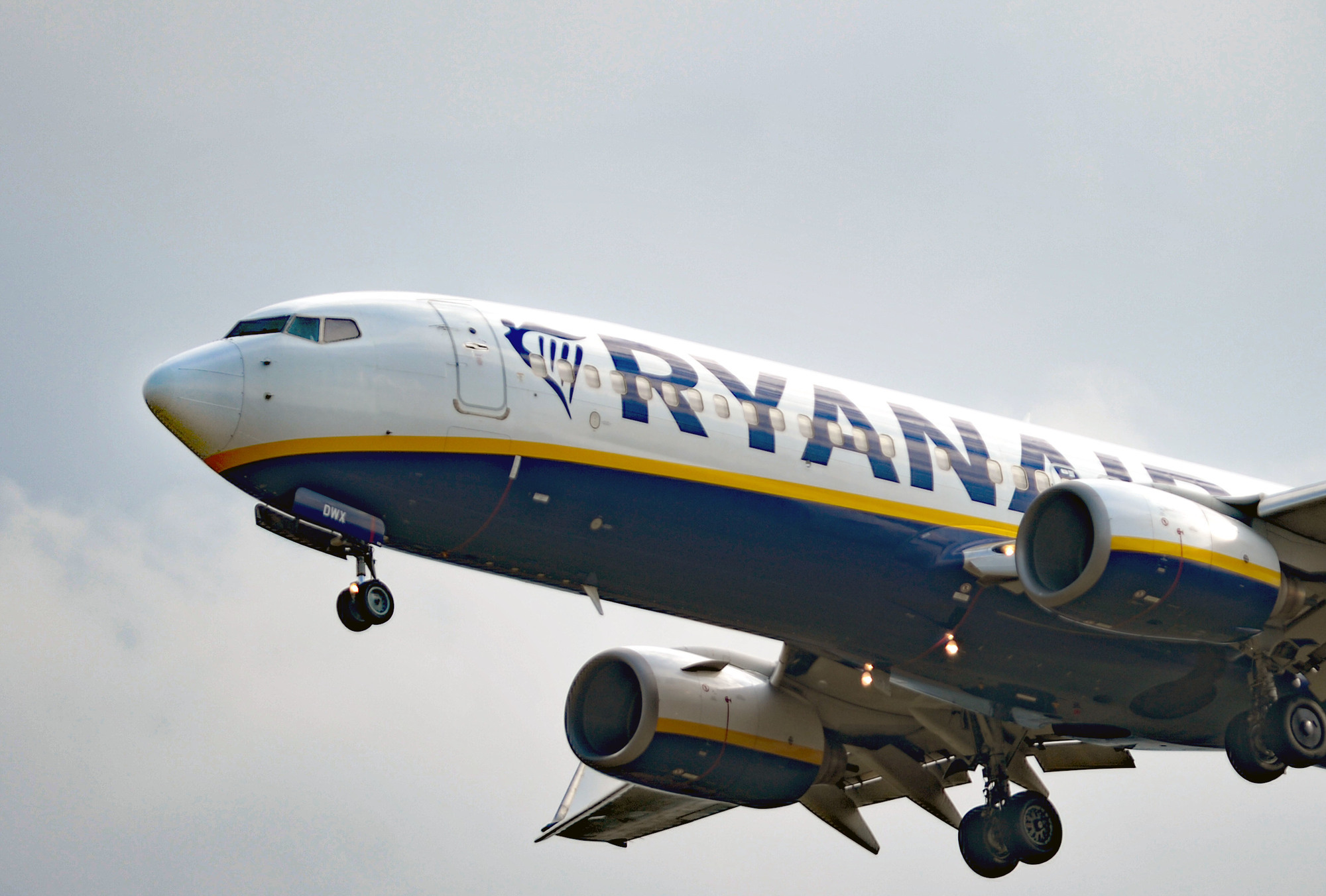
Customer complained about an advertisement which appeared as a pop-up at the booking stage on the Ryanair app which stated 'free reserved seats for children under 12', which the complainant said was misleading as they were unable to avail of the free child space.
Complaints about adverts for Ryanair and a Cork car dealership were just some found to be in breach of the Advertising Standards Authority for Ireland (ASAI) code in its latest bulletin, published on Tuesday.
The watchdog which monitors adverts, said eight advertisements across online, company websites, leaflets and brochures were found to breach its code, relating to issues such as price, safety, misleading information, substantiation and environmental claims.
In the case of Ryanair, a customer had complained about an advertisement which appeared as a pop-up at the booking stage on the Ryanair app which stated “free reserved seats for children under 12”.
The complainant said the advert was misleading as they were unable to avail of the free child space, with less than half of the seats on the flight available free of charge to children under 12.
Their complaint said the advert was misleading due to the absence of readily available or linked small print and exclusions.
In response, Ryanair said it did not feel the material provided by the complaint had sufficient evidence to support the claim. It said its general terms and conditions and FAQs outlined that for safety and operational reasons, only some seats were available for free reservation for children under 12.
If none were available, customers had the option of purchasing a seat for their child in a different row or travel on a different flight.
In addition, Ryanair said to “ensure greater transparency for their customers they would take action regarding the messaging surrounding this offer to avoid the potential of future customers feeling misled”, the ASAI said in its bulletin.
Upholding the complaint, the watchdog said the advertisement should not reappear in its current form.
In the case of Keary’s BMW, this related to an advert on its website for an ozone-cleanse on car interiors with the claims “no chemical agents were used” and the cleanse was “100% eco-friendly".
The complainant said this was inaccurate, and that ozone was a chemical that was not eco-friendly but potentially harmful.
Keary’s BMW replied the term “ozone-cleanse” had become popular during the pandemic to explain the use of ozone gas to defumigate showrooms and cars, and provided three documents relating to the use of the ozone-cleansing system.
The ASAI said: “As the above documentation did not address the issue raised by the complainant, the advertisers were reminded there was an onus on them to address the specific issue raised and they were therefore asked to provide their comments on this.
“The advertisers said that they were in contact with the supplier of the ozone cleanse system and that they would provide further clarification in this regard. However, they did not revert to the ASAI Executive.”
Other complaints upheld related to adverts for Tesco, Volkswagen and 123.ie.
In the case of the latter, it featured a TV advert featuring a dog with its head out the window of a moving vehicle. The complainant said the rules of the road state animals should be securely contained when travelling in a vehicle. The insurer apologised and the complaint was upheld.
CONNECT WITH US TODAY



Be the first to know the latest news and updates