New ad campaign highlights criminality of threat to share intimate images
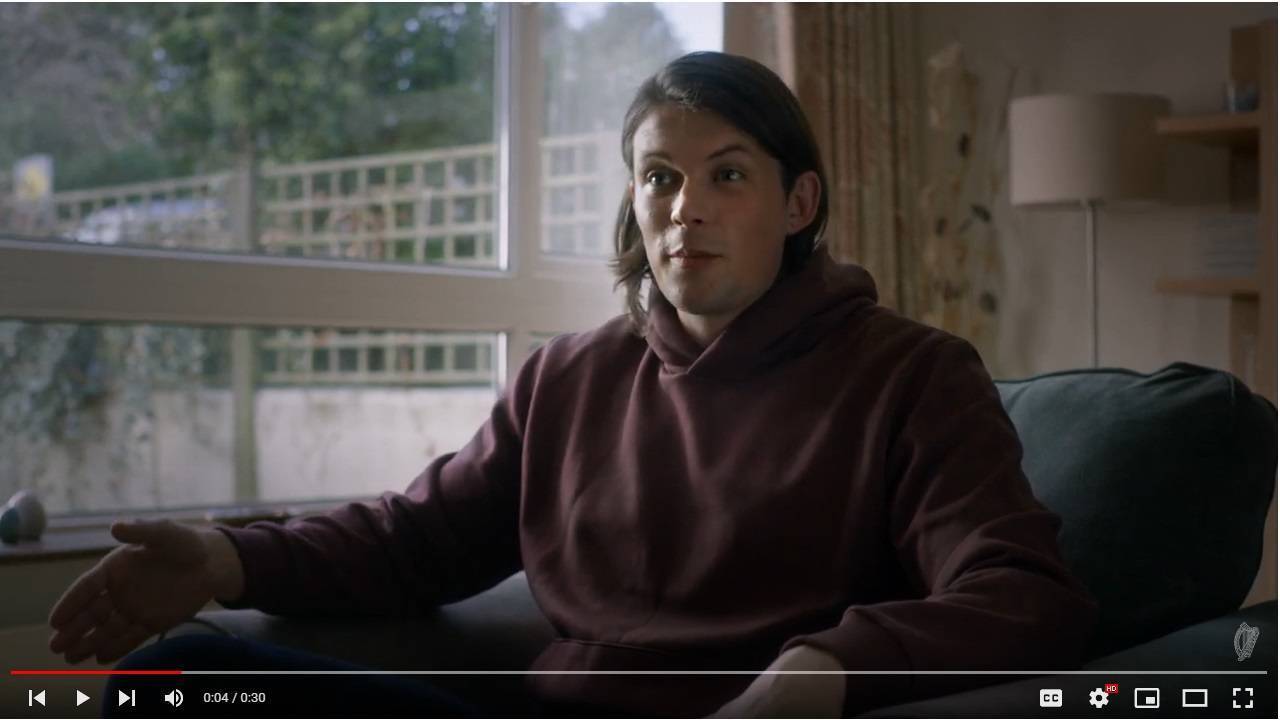
The ‘Serious Consequences’ campaign — on TV and radio, in cinemas, and on social media — highlights that a threat to share intimate images of another person without their consent is a crime. Picture: Department of Justice
A powerful awareness campaign being launched today highlights that threatening to share intimate images of another person is a crime.
The ‘Serious Consequences’ campaign — which focuses on a perpetrator and a victim — which will run on TV and social media as well as in cinemas and on local and national radio — is part of a zero-tolerance strategy towards domestic, sexual, and gender-based violence.
The campaign is being rolled out following the enactment of Coco's Law, which was introduced in 2021 after a campaign by the family of Nicole ‘Coco’ Fox who took her own life aged 21 after being relentlessly bullied online and abused physically for three years.
The Harassment, Harmful Communications and Related Offences Act 2020, known as ‘Coco’s Law’ criminalised the distribution of intimate images without consent.
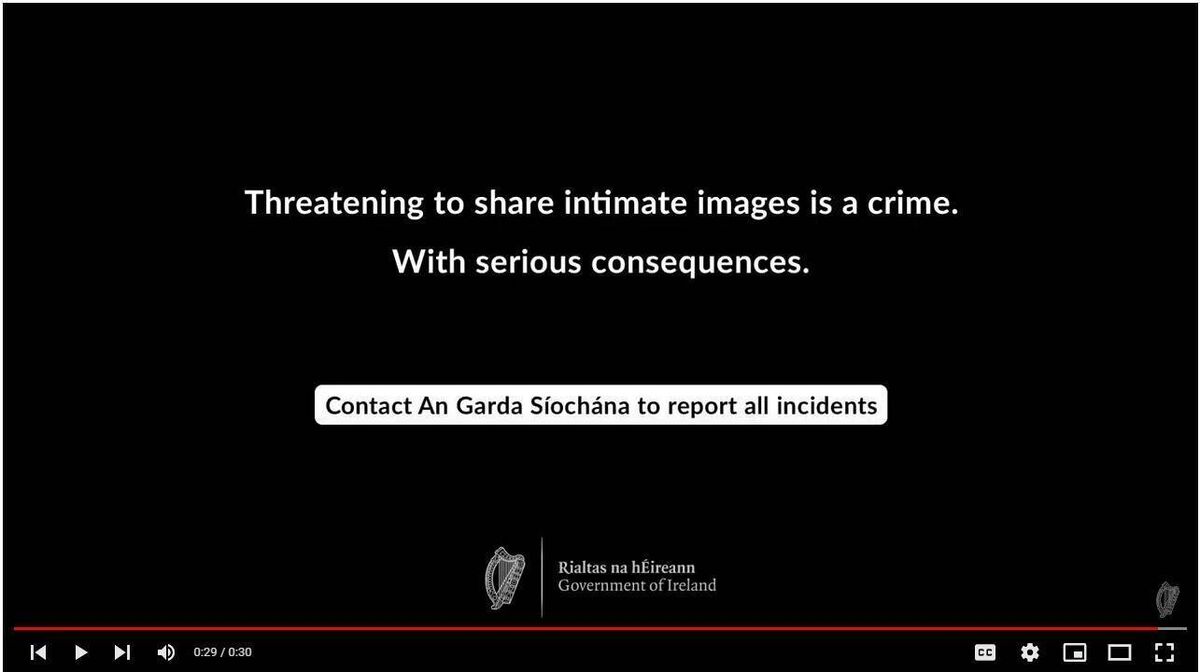
The penalties for the sharing of, or threatening to share, intimate images of a person without their consent, with or without intent to cause harm to the victim, have been set at up to seven years in prison and an unlimited fine. They are high to reflect the seriousness of the offences and the damage and hurt they cause.
Ms Fox now wants Coco's Law extended across Europe and has been working with members of the European Parliament to that end.
Justice Minister Simon Harris said: “We know that threatening to share intimate imagery can be a feature of coercive control, for example, in relationships.
“We also know that it is a threat that can be used purely for monetary or financial gain."
He said that whatever a person’s motivation for threatening to share an intimate image of another person, it is a crime through Coco’s Law, which Mr Harris said is now seen across Europe as a "pioneering piece of legislation".
However, he said that research carried out on behalf of the Department of Justice shows that half the population does not know that this is illegal.
"We want to change that.”
Last June, the Government launched a five-year national strategy on domestic, sexual, and gender based violence which is based on a zero-tolerance approach.
Mr Harris said: “We know the importance of criminal justice, of strong legislation, of reporting, of supports for victims and of a coordinated approach in our work with victims — and we are working hard on initiatives in each of those areas.
“It is that huge piece of work around change in attitudes and social norms as to what is acceptable in Irish society.
“Threatening to share intimate images of someone is not acceptable," he said
• You can view the new campaign here on Youtube.
• If you are affected by any of the issues raised in this article, please click here for a list of support services.
CONNECT WITH US TODAY



Be the first to know the latest news and updates