Barristers to discuss failure to reverse pay cuts implemented during the recession
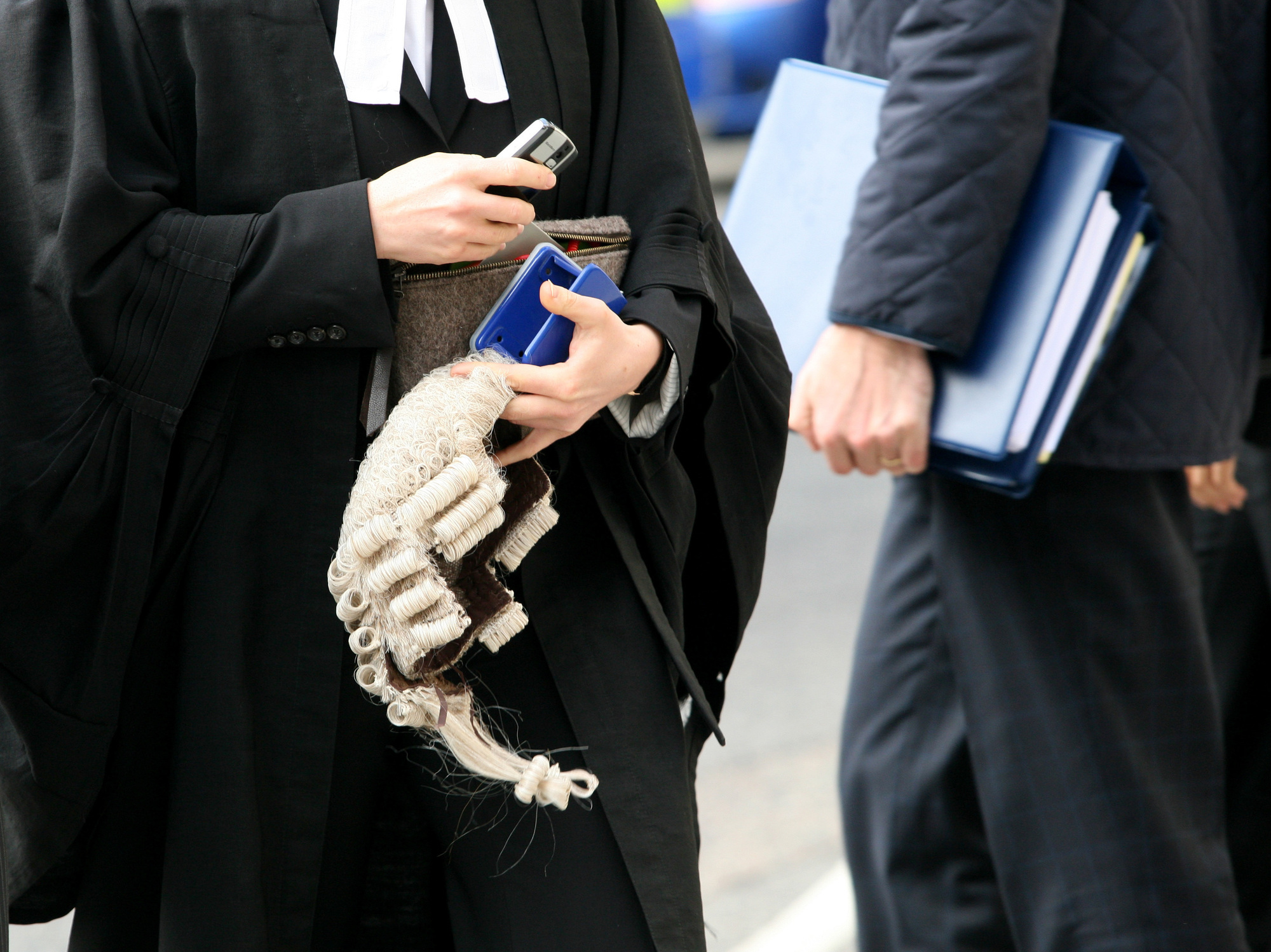
Barristers to discuss failure to reverse pay cuts implemented during the recession

More than 300 barristers across the country are affected by the cuts which were introduced at a number of different points between 2008 and 2011.

Criminal barristers will meet in Dublin on Monday to discuss their concerns that cuts made to legal aid fees during the recession have not been reversed.

The meeting at the Criminal Courts of Justice follows a meeting in Cork last Tuesday, as well as a virtual meeting held on Thursday. 

More than 300 barristers across the country are affected by the cuts which were introduced at a number of different points between 2008 and 2011 under the Financial Emergency Measures in the Public Interest (Fempi).

The council of The Bar of Ireland wrote to Taoiseach Leo Varadkar and Public Expenditure Minister Paschal Donohoe last week outlining “once again the additional reforms and changed practices that our members have delivered since 2002 as part of their public service to the criminal justice system”.

In the letter, the chair of the council of The Bar of Ireland, Sara Phelan, SC, said: “The Bar of Ireland will, of course, always be a willing and engaged participant in any discussions on reform and improvement of the criminal justice system and the administration of justice and we are happy to engage in discussions on those issues.

“But there should be no misunderstanding of the present position. The bar has already provided flexibility and efficiencies comparable to those provided by other groups in return for reversal of cuts and has long ago satisfied the relevant front-line departments of that.” 

She said the cuts ranged from 28.5% to 69%.

Restoration, not increases

Cork barrister Tom Creed says the aim of the meetings is to “find out what do our members want to do”.

He pointed out that barristers are self-employed, so any decision of any action would have to be done on an individual basis.

He said criminal barristers are frustrated that other sectors have had the cuts imposed under Fempi restored while they have not.

He said they do not want to impact on either victims or jurors adding: “We don’t want to discommode anybody.” 

But he said measures that were taken by barristers to deliver efficiencies into the criminal justice system are not being reciprocated by the lifting of cuts.

We are not looking for increases — we want restoration.” 

He said two thirds of criminal barristers leave the criminal bar after six years and that the cuts imposed in different stages have resulted in fees being brought back to the same levels as 2002.

In reply to a recent parliamentary question on the issue, Justice Minister Simon Harris said: “The issue of criminal legal aid fees is, I understand, being considered by the Department of Public Expenditure, NDP Delivery, and Reform, as the department with responsibility for any restoration of barrister fees arising from the Fempi cuts. 

The department recognises the important role played by barristers in undertaking criminal legal aid work.

“This department supports the reversal of Fempi cuts for those in the legal profession in line with action taken to restore the pay of public and civil servants impacted by the Fempi cuts, and continues to engage with the Department of Public Expenditure, NDP Delivery, and Reform in relation to fees paid under criminal legal aid.” 

Mr Harris added: “State Solicitors who are engaged by the DPP to work on criminal prosecutions have had a process of pay restoration implemented since 2017 by the Department of Public Expenditure, NDP Delivery and Reform.”

x

More in this section

Lunchtime News

Newsletter

Keep up with stories of the day with our lunchtime news wrap and important breaking news alerts.

Cookie Policy Privacy Policy Brand Safety FAQ Help Contact Us Terms and Conditions

© Examiner Echo Group Limited