Nurses threaten industrial action over staffing levels
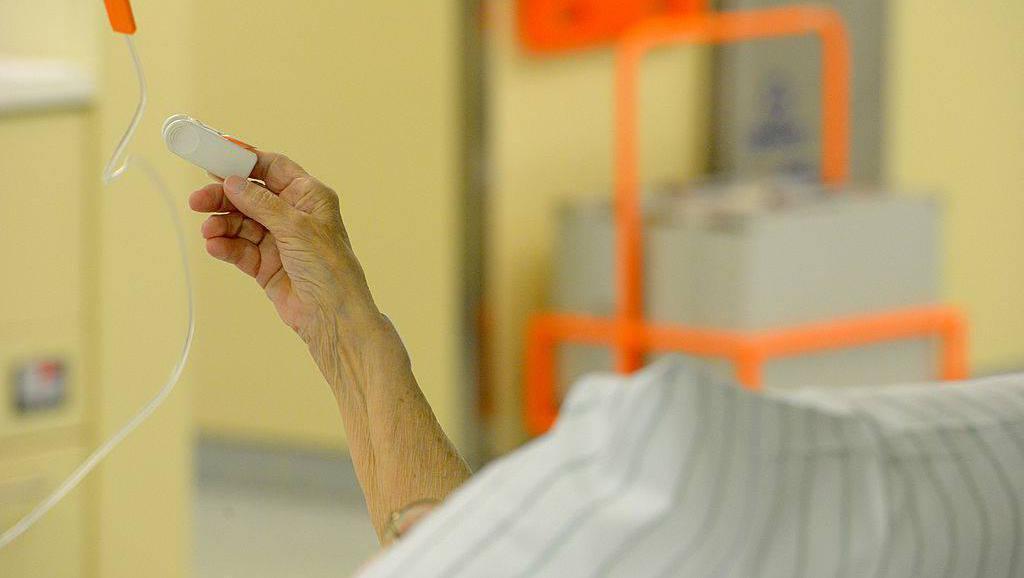
Delegates at the Irish Nurses and Midwives Organisation's annual conference unanimously endorsed an emergency motion calling for the ballot. Picture: PA
Nurses are threatening to ballot for industrial action if they do not get sufficient progress on their demands for safe staffing levels in the country's hospitals.
Delegates at the Irish Nurses and Midwives Organisation's (INMO) annual conference unanimously endorsed an emergency motion calling for the ballot.
Nurses said that in some hospitals, staffing numbers have changed little in 30 years despite advances in treatment and the need to deal with diseases unknown in the past.
They spoke of rosters with gaps when staff are sick or on maternity leave as cover cannot be found, as well as under-staffed departments and their inability to look after patients fully.
During the discussion, they acknowledged there is a government policy for safe staffing levels on medical and surgical wards with a pilot initiative now also running in care for older people.
However, they expressed frustration at the slow pace of action.
The emergency motion “mandates the Executive Council of the INMO, in the absence of sufficient progress on this issue, to commence a ballot of all members for industrial action in mid-September 2023".
General secretary Phil Ní Sheaghdha said the pressure is impacting large groups of foreign nurses who work or train in Ireland.
“What we are finding now is they are making the decision to take that [training] and move elsewhere, because they find it too difficult to continue to work in the structures that we provide for them,” she said.
“That doesn’t make any sense, we want our overseas colleagues to stay here.”
She said Irish nurses are highly-educated and their skills are welcome “right across the globe”.
HSE chief executive Bernard Gloster told the conference he is committed to increasing nursing numbers.
Despite having 20,000 extra staff since early 2020, he said challenges remain.
He discussed plans to change how the HSE tackles the problem of trolleys and overcrowding.
“I think any analysis of the activity in our hospitals shows we are challenged throughout the year,” he said.
“We have to focus I think on urgent care, critically now throughout the year.
"In that context we are now focused on a plan for the rest of this year, right through the summer and into the winter. I hope to have that concluded and discussed and agreed with the [health] minister by the end of May.”
He said it is not possible to keep producing new winter plans for emergency care.
“By June of this year, we will finalise with the minister a three-year plan for unscheduled care,” he said.
“We are going to be very clear, that is not going to solve all of the challenges, it is not going to take away all of the difficulty, but it will put us in a better position to consistently respond.”
When asked if the January high of 931 patients on trolleys will never be seen again, he said: “I think we are some way off from predicting exact figures, we’ve seen what different surges can do."

CONNECT WITH US TODAY



Be the first to know the latest news and updates