Ancestor’s famine role could merit compensation, says Laura Trevelyan
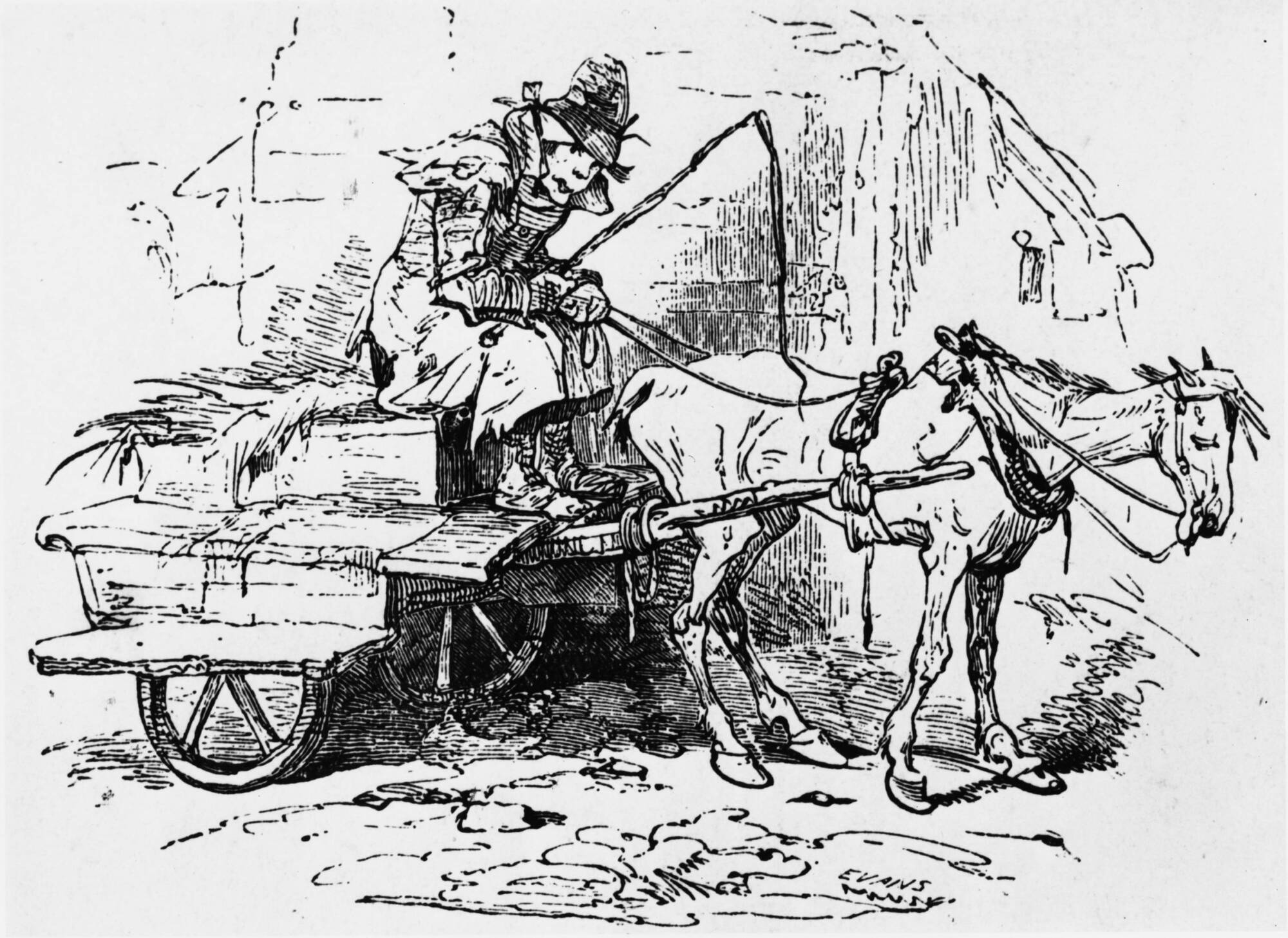
Trevelyan’s ancestor is notorious for a Victorian-era laissez faire policy that limited aid and permitted continued food exports. Picture: Hulton Archive/Getty Images
The former BBC journalist Laura Trevelyan has said her family would consider paying compensation to Ireland because of an ancestor’s role in the Great Famine of the 19th century.
Her great, great, great-grandfather Charles Trevelyan, a senior British government official, was among those who “failed their people” during the humanitarian catastrophe in the 1840s, she said.

Trevelyan’s comment opened a potential new front in her campaign for restorative justice, which so far has focused on the slave trade.
The former BBC correspondent quit the corporation to campaign full-time and in February travelled with relatives to Grenada to apologise and offer £100,000 (€114,000) in reparations for the family’s “ownership” of 1,000 enslaved people on the Caribbean island.
She has urged King Charles and the British government to follow suit and apologise for historical links to the slave trade.
HISTORY HUB
If you are interested in this article then no doubt you will enjoy exploring the various history collections and content in our history hub. Check it out HERE and happy reading
Charles Trevelyan was the senior British Treasury official in charge of famine relief when potato crops failed in Ireland, leading to the death of a million people and the emigration of another two million.
Speaking to BBC Radio Ulster’s , the former journalist opened the possibility of paying reparations: “If the Irish government said the Trevelyan family are liable for what Sir Charles Edward did, then of course that would have to be considered.”
However in contrast to Grenada, where her ancestors owned a sugar cane plantation worked by slaves from Africa, in Ireland Charles Trevelyan was implementing government policy, she said.
“I guess the distinction I would make is that in the Caribbean my ancestors were acting for private profit whereas Sir Charles was acting as an official for the British government, and the British government did in 1997 acknowledge his failures and the failure of others.”
The then prime minister, Tony Blair, issued a statement that year to mark the 150th anniversary of the start of the famine.

It said: “Those who governed in London at the time failed their people through standing by while a crop failure turned into a massive human tragedy.”
There was no immediate response from the Irish government to Trevelyan’s comment.
Diarmaid Ferriter, a history professor at University College Dublin, said reparations seem impractical.
“How do you quantify something on that scale and who takes responsibility for it?”
Rather than dwell on any individual’s culpability it would be more valuable to improve teaching of Irish history in Britain, he said.
“I’d see this as more of an opportunity to promote greater awareness of what happened.”
Many in Ireland equate the British government’s indifference and bungling during the famine to genocide. Trevelyan’s ancestor is notorious for a Victorian-era laissez faire policy that limited aid and permitted continued food exports. The ballad 'The Fields of Athenry', which is sung at sporting events, cites a young man who is to be deported because he “stole Trevelyan’s corn”.
Her ancestor’s views were not entirely clear, said Trevelyan. “He both says the people cannot under any circumstances be allowed to starve — and they do starve, so he’s failed by his own point. And he also seems to suggest that in some ways this is the divine punishment of God for a one-crop economy. It’s very hard to defend any of it.”