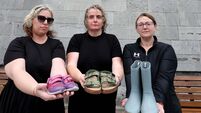
211 motorists caught speeding on National Slow Down Day
One motorist in Galway was caught driving at 161km/h in a 120km/h Zone on the M6 near An Carn Mór Thiar Órán Mór
Over 200 cars have been detected speeding on National Slow Down Day, with one motorist driving 161km/h in a 120km/h zone.
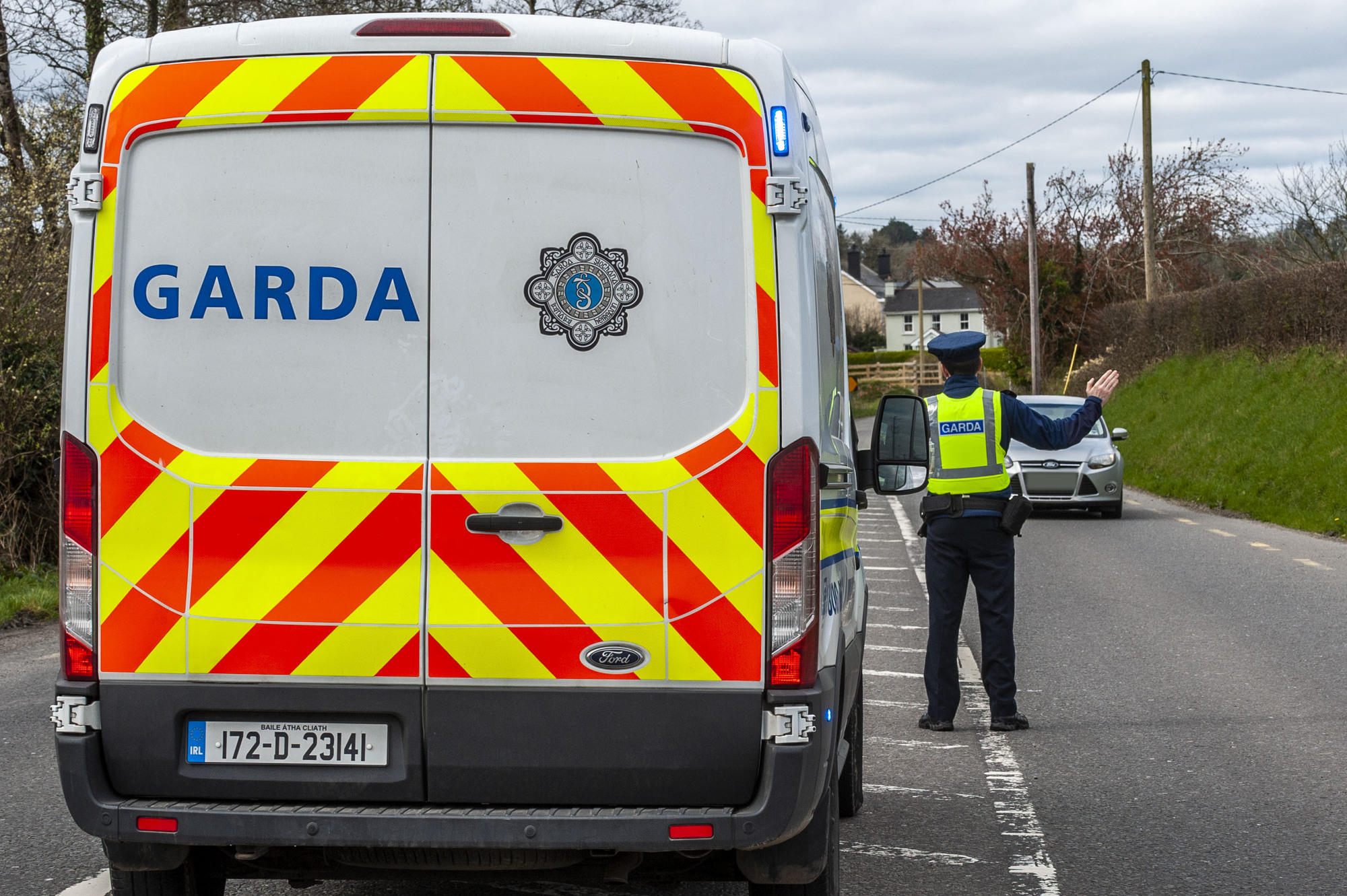
Gardaí are out in force on roads around the country from 7am on Friday as part of a speed-enforcement 'National Slow Down Day', with the operation running for 24 hours.
The aim of Slow Down Day is to remind drivers of the dangers of speeding, to increase compliance with speed limits, and act as a deterrent to driving at an excessive or inappropriate speed.
In the full 24 hours, GoSafe has checked the speed of 140,720 vehicles and detected 211 vehicles breaking the speed limit.
Of the 211 motorists caught driving over the limit, one driver was caught doing 87km/h in a 60km/h zone on the R267 in Donegal, followed by another motorist who reached 121km/h in a 100km/h zone on the N11 in Wicklow.
One motorist in Galway was caught driving at 161km/h in a 120km/h Zone on the M6 near An Carn Mór Thiar Órán Mór.
In Cork, a car was found breaking the speed limit at 157km/h in a 100km/h zone on the N25 at Ballyadam.
Another driver was detected travelling at 156km/h in a 100km/h zone the N4 at Carrickmoyragh, Newtownforbes, Longford.
In Clare, one driver was caught breaking the speed limit, driving at 82km/h in a 60km/h zone, on the R463 in Gortatogher, Parteen.
Earlier, one motorist clocked up 85km/h in a 60km/h zone on the Clones Road, Monaghan.
A second Monaghan motorist was recorded driving 110km/h in an 80km/h Zone on the N2.
The overall objective is to reduce the number of speed-related collisions, save lives and reduce injuries on our roads.
This National Slow Down Day forms part of a pan-European day of action aimed at combatting speed on the roads.
Gardaí emphasise it is important to remember that no matter how good road and weather conditions are, any increase in speed will significantly increase the likelihood of being involved in a serious or fatal road traffic collision.
Last year saw an increase in fatal road traffic collisions, with 157 lives lost on Irish roads.
This represents the largest death toll since 2016. So far this year, 52 people have lost their lives on our roads, an increase on three on the same day last year.
April's bank holiday weekend claimed the lives of two young people in Galway in a tragic accident on our roads.
Two 14-year-olds, named locally as Lukas Joyce from Annaghdown and Kirsty Bohan from Headford, died after the car they were travelling in hit a tree.
In February, two men were pronounced dead following a fatal collision between a car and a truck in Mayo.
Recent Garda enforcement data and Road Safety Authority research demonstrate that drivers continue to speed.
During 2022, 73% of fatal collisions occurred on rural (80km/h or more) roads with 27% on urban roads.
It has been estimated that 30% of fatal collisions are a direct result of speeding or inappropriate speed.
Chief Superintendent Jane Humphries of the Garda National Roads Policing Bureau said it was important to remember that every time we get behind the wheel, we hold the responsibility of keeping ourselves and others safe.
"Unfortunately, accidents and fatalities on the road are still far too common, and one of the major causes of these incidents is speeding.
"Additionally, if you are driving too fast, you might not be able to react in time to avoid an obstacle or another vehicle on the road.
"So, we must all take responsibility for our actions and drive responsibly. This means slowing down, obeying speed limits, and being aware of our surroundings.
"Remember, speed limits are there for a reason, to keep you and others safe. The consequences of speeding can be devastating, not only for yourself but for other innocent people on the road," she added.
"Let's take the initiative to make our roads safer, not only this National Slow Down Day but every day, by slowing down and making sure we are driving at a safe and appropriate speed. By doing so, we can help prevent accidents and make our communities safer for everyone."