Air corps staff three times more likely to complain to Ombudsman
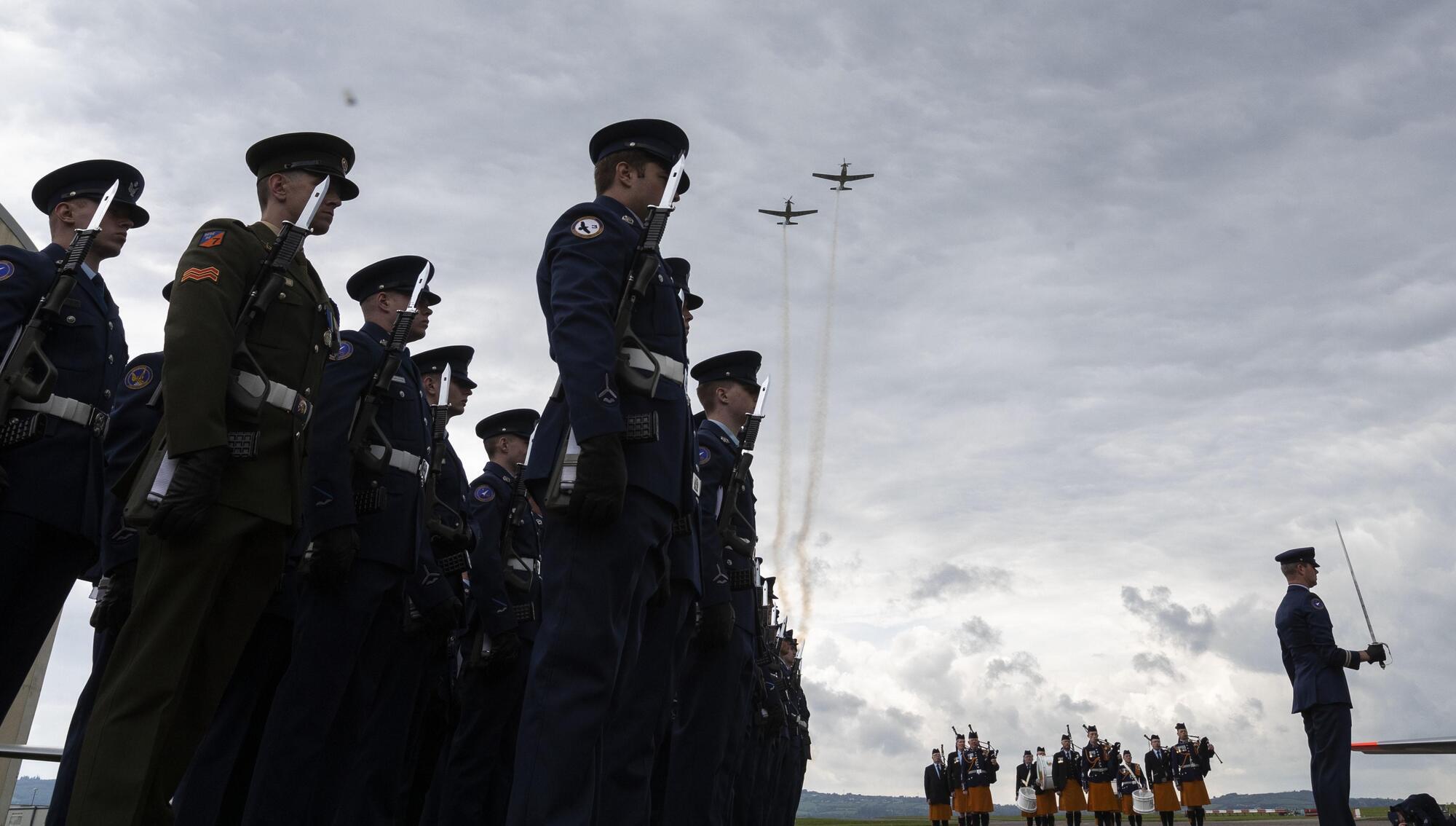
Two Air Corps PC9Ms perform a low fly-past at a centenary ceremony of the military handover of Baldonnel Aerodrome from British forces at Baldonnel in 2022. File Picture: Colin Keegan, Collins Dublin
Air corps personnel are three times more likely to complain to the Ombudsman for the Defence Forces than the other sections of the military put together, it has emerged.
According to a survey of complaints to the watchdog between 2006 and 2021, the main reason for air corps complaints is maladministration.
This is the category of complaint which covers issues such as performance appraisals, missing personnel records, handling of complaints, and issues related to discharge.
Of the approximately 489 cases that reached the final report stage and were not discontinued or considered outside the Ombudsman's jurisdiction, 47.7% were either partially or wholly upheld and 43.7% were not upheld.
The air corps has had a consistently above-average score on the maladministration front for much of the past 15 years.
Some 48.6% of complaints were lodged in this category in the air corps, which has had an average of around 770 personnel in any given year.
This is compared to 25% across all the other formations, which were made up of an average of around 8,142 personnel in the army and naval services in any given year.
Complaints to the Defence Forces Ombudsman mainly come under five categories, including maladministration and non-selection of personnel for promotion, career courses, or overseas duties.
Another category is interpersonal issues, which includes anything from bullying and harassment to inappropriate behaviour and sexual abuse.
The Independent Review Group into Defence Forces Abuse Report in March detailed how stopping people from being promoted, going overseas, or getting on certain courses were ways of retaliating against personnel who dared to stand up for themselves or complain about being bullied or physically/sexually assaulted.
The IRG report concluded that Defence Forces promotions and performance evaluation “require radical reform”.
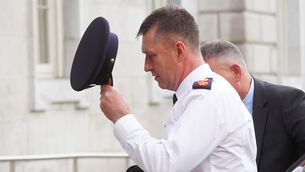
Lieutenant General Sean Clancy, currently Chief of Staff of the Defence Forces, was human resources manager of the air corps from 2008 to January 2010. He became general officer commanding the air corps in 2017, having published the Defence Forces leadership doctrine the previous year.
In 2019, he was promoted to deputy chief of staff with responsibility for, among other things, human resources and military policing.
The Defence Forces was asked to explain what has been done in relation to the fact that air corps personnel are three times more likely to complain than any other section of the military put together.
A spokesperson was also asked what the Defence Forces has done about the high proportion of complaints about maladministration in the air corps.
The spokesperson said: “Where the Ombudsman points to specific issues, or makes specific recommendations arising from individual complaints, they are duly communicated to the relevant area for consideration and/or implementation.”


CONNECT WITH US TODAY



Be the first to know the latest news and updates