Children 'forced to wait until secondary school for first dental check'
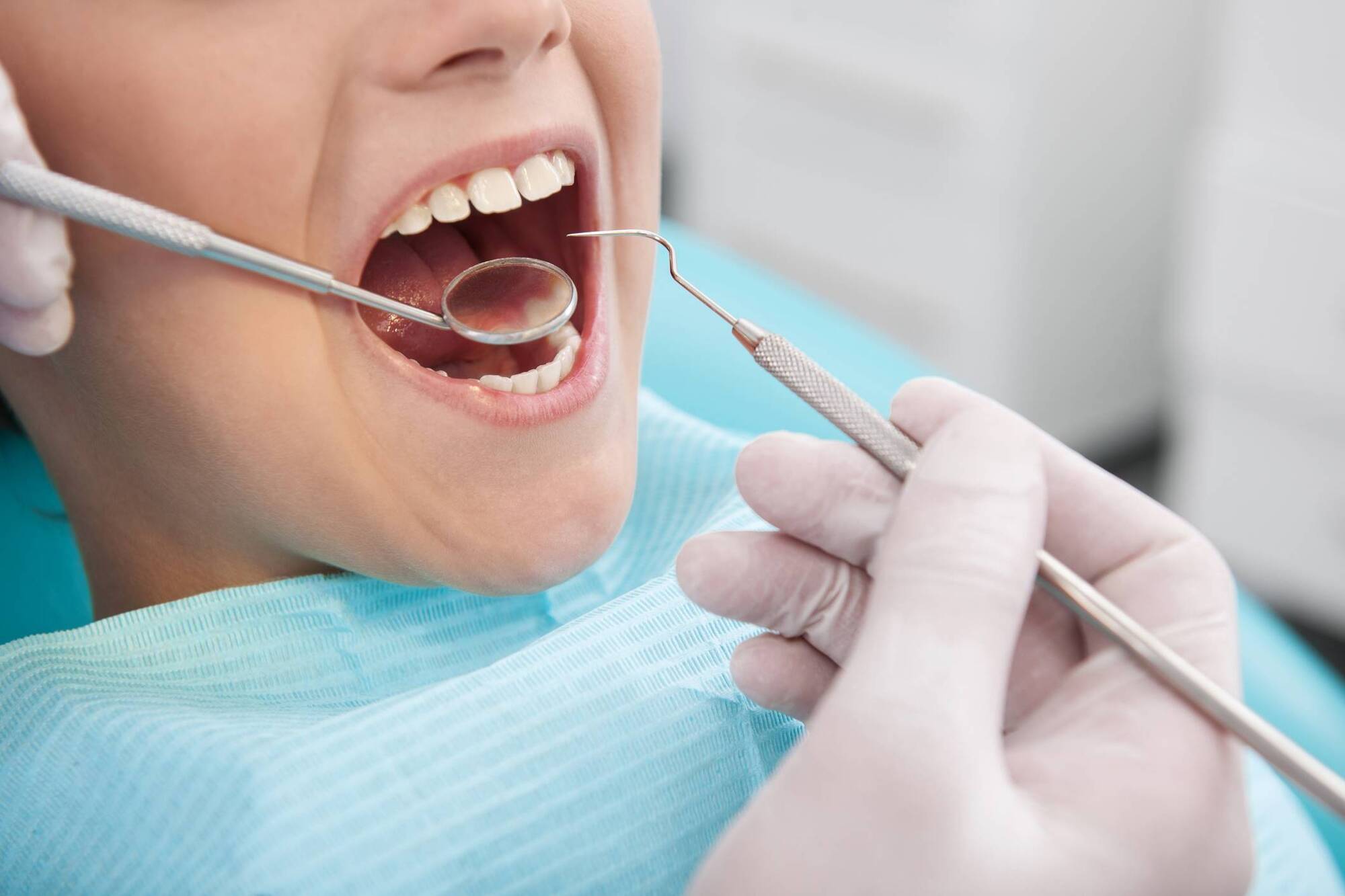
The Irish Dental Association said: “Children who should be seen by a dentist in second, fourth and sixth class are having to wait until fourth year of secondary school for their first visit.”
Backlogs in dental screening services for schoolchildren are up to 10 years in some areas, the Irish Dental Association warned as they called for better supports for public dentistry.
The IDA has criticised what it said are Government plans to outsource public child and special needs dental care to “understaffed” private dental systems. Launching their workforce plan on Monday, dentists called on the Department of Health to “urgently address” delays.
“Children who should be seen by a dentist in second, fourth and sixth class are having to wait until fourth year of secondary school for their first visit,” they said.
“This, along with two-year waiting lists for treatments requiring general anaesthetic, is completely unacceptable and once again hits our most vulnerable in society hardest.”
IDA President Caroline Robins said outsourcing is not the answer. “Private practices across the country are already struggling to recruit new staff as two-thirds of advertised vacancies remain unfilled,” she warned.
“We know that specialist care is required when treating children and we believe that this should happen in a fully-staffed public service which ensures that all children, regardless of socioeconomic status, receive early intervention.”
The IDA found that HSE figures show the number of public-only dentists dropped from 330 to 254 over 15 years. It estimates the HSE must hire at least 76 dentists now for the public service to return to that higher figure.
Overall they found fewer than 620 dentists are now actively participating in the medical card scheme. Reforms are needed for the Dental Treatment Services Scheme (DTSS / medical card scheme) and the Schools Screening Programme before dentists sign up, they said.
IDA spokesman Dr Will Rymer said the Government’s failure to engage shows “contempt” for patients. “This isn’t about dentists 'choosing to leave' the system; rather, it is about dentists having no choice when it comes to providing appropriate patient care,” he said.
He said new data indicates the scale of the challenge. A further 3,000 patients were treated under the scheme in November according to the Department of Health, and 15,000 extra scale and polishes were completed.
“(This) is but a drop in a very big ocean of clinical need. This equates to an extra three patients per participating dentist, and an additional 15 cleanings. It is simply not enough,” he said.


CONNECT WITH US TODAY



Be the first to know the latest news and updates