Cork scientists develop AI system to monitor 'smelly' insect which damages crops
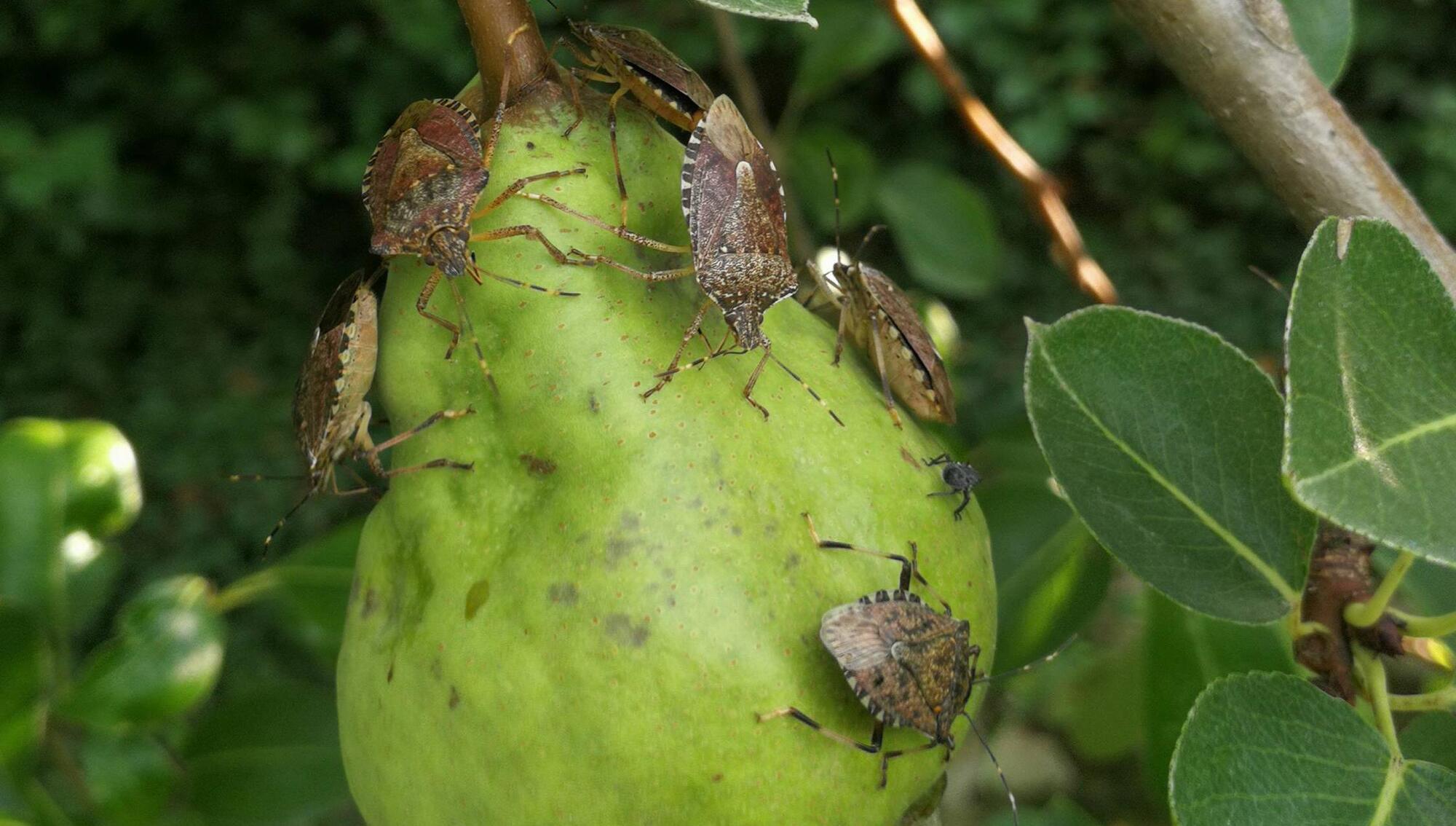
The brown marmorated stink bug is an invasive species which feeds on over 100 species of plants, including many agricultural crops, and are considered a problematic pest to orchards and vegetable growing in Europe over the past decade.
Irish scientists have come up with a way to use artificial intelligence to keep tabs on a notoriously smelly insect that can wreak havoc on fruit and vegetable growing.
Tyndall National Institute, based in Cork, has teamed up with the agricultural research State authority Teagasc to monitor and sustainably manage Halyomorpha halys, known as the brown marmorated stink bug.
The notorious insect, which is native to East Asia, is a highly invasive species that has been spotted in Mediterranean countries like Italy in the past decade, before making it as far as the UK in 2018.
Its pungent odour can be of real alarm for homeowners if it makes it into a house, but it is also a major issue for crop growers because of its impact on fruit and vegetables while feeding.
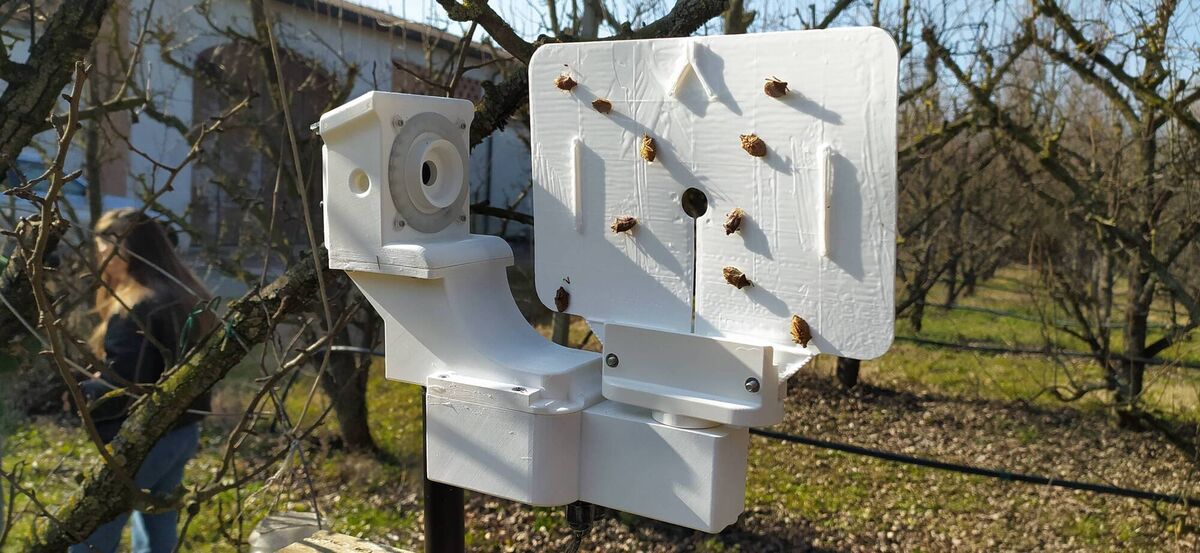
Until now, the best that farmers can do is to use sticky traps to keep an eye on the stink bug. However, Tyndall and Teagasc have come up with a solution using AI called the HALY.ID project.
Tyndall said it involved the use of drone technology, image analysis, and a low-cost and low-power microcontroller unit device that performs all data processing using AI.
It means an algorithm will calculate regions where the invasive insect is suspected to be, and then runs so-called "deep learning" on them for classification.
Machine learning is where AI evolves with minimal human interference, while deep learning is an offset of machine learning that uses artificial neural networks to mimic the human brain.
HALY.ID has been deployed in an Italian orchard since February.
Head of group at Tyndall Brendan O’Flynn said: “As the world’s population grows, food security is becoming increasingly important. We are proud to collaborate with international partners to develop a smart sensing system, ensuring our European orchards continue to provide high-quality food produce.
"We are working alongside international experts in agriculture — Teagasc in Ireland, as well as European partners Imec, the Italian Universities in Perugia and Modena and the Technical University of Braunschweig in Germany, to develop impactful technologies.”
Entomologist and senior research officer at Teagasc Michael Gaffney said: "Developing technologies that automate the detection of harmful pests, reducing the time and labour input required, while also reducing the gap between monitoring events to a single day, will hopefully assist growers in detecting the pest early in the spring when the pest numbers are low, where crop protection interventions are most effective.”
According to Invasive Species Ireland (ISI), creatures not native to ecosystems are the second greatest threat to biodiversity worldwide, after habitat destruction.
Invasive species can negatively impact native species, transforming habitats and threatening whole ecosystems, causing serious problems to the environment and the economy, ISI said.
Since the 17th century, invasive species have contributed to nearly 40% of all animal extinctions for which the cause is known, according to the ISI.
CLIMATE & SUSTAINABILITY HUB
CONNECT WITH US TODAY



Be the first to know the latest news and updates