Samaritans find half of those who self-harm think people are afraid of them
While 77% of respondents in the all-Ireland report said they would be willing to 'help' someone who self-harmed, 64% would not carpool and 56% would not rent out an apartment to them.
More than half of people who self-harm believe the average person is "afraid" of them, a new first-of-its-kind report has found.
The research, conducted for Samaritans Ireland, also shows a stigma towards people who self-harm affects their ability to rent an apartment, find a job, or enter a new relationship.
The report found a disconnect when it came to the initial good intentions of people in helping someone who has self-harmed, and then following through with actions.
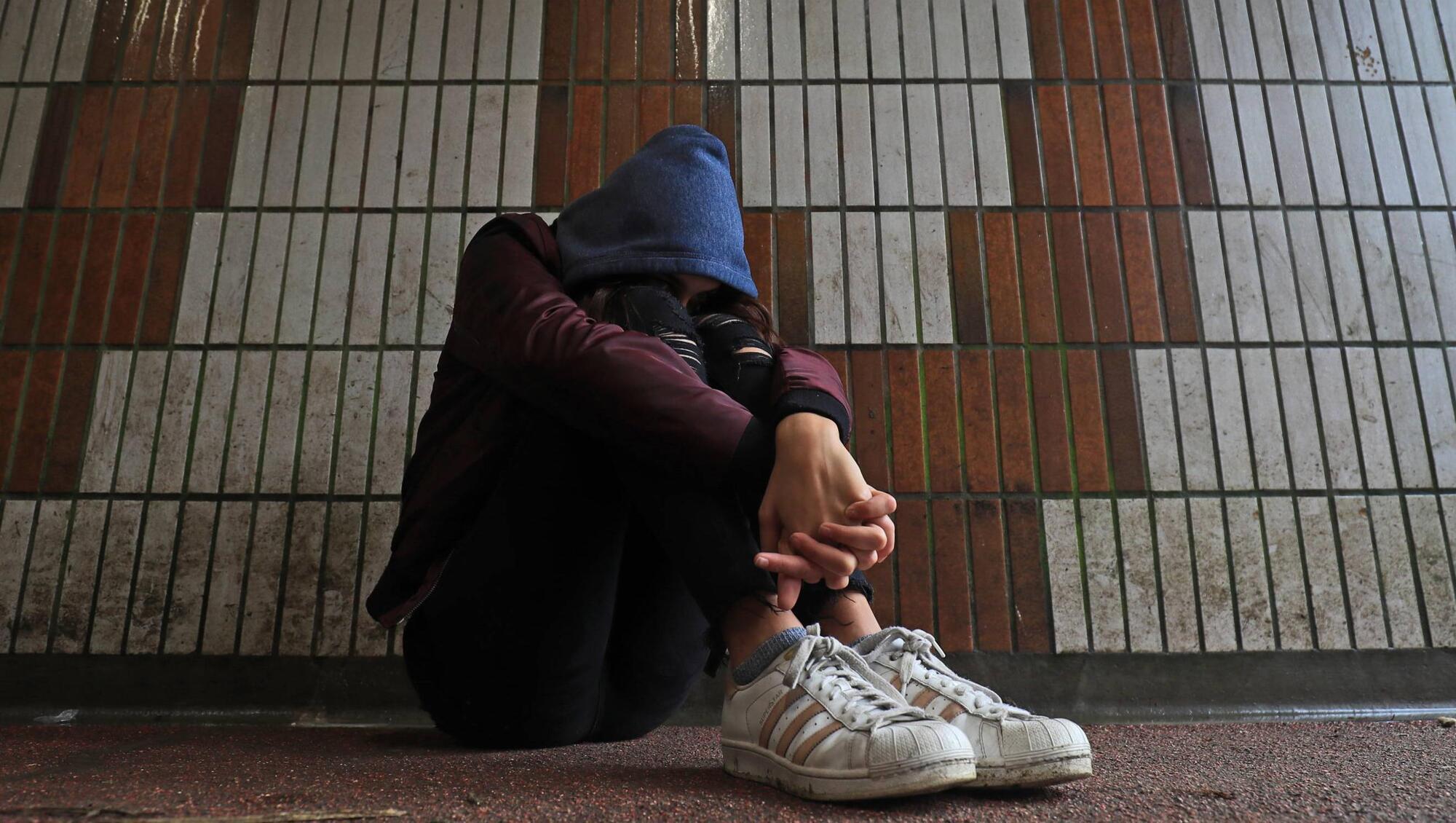
While 77% of respondents in the all-Ireland report said they would be willing to 'help' someone who self-harmed, 64% would not carpool and 56% would not rent out an apartment to them.
Of those without first-hand lived experience of self-harm who contributed to the report, more than half said visible signs of self-harm would impact their willingness to enter a new relationship with that person and 30% said it would impact their willingness to hire them for a job.
As for those with lived experience of self-harm, almost 90% reported sometimes, often, or always thinking that others will have a lower opinion of them if it is known that they self-harm.
Within the same group, 55% felt the average person is often or always afraid of someone who self-harms.
The report's findings were described by Mark Kennedy, assistant director of Samaritans Ireland, as "staggering". He added that they "reveal that society frequently inflicts stigma, and its effects on those who self-harm are profound".
"Nobody should have to bear the stigma and discrimination outlined in this report.”
Latest statistics from the National Self-Harm Registry Ireland recorded 11,932 presentations to hospitals as a result of self-harm in 2020, involving 9,063 individuals.
The report is based on the views of 769 people, aged from 18 to 80, including 226 people with lived experience of self-harm, 148 people who have personally supported someone who has self-harmed, 175 professionals who supported someone, and 220 members of the general public.
Some of those in the study had self-harmed as early as the age of four and others started to self-harm at age 50. On average, participants were 16-years-old when they first began self-harming.
One aspect of the report was the scenario presented to contributors of 'Alex', a clerk at a large law firm who has been hospitalised six times as a result of their difficulties.
It found that while many interviewees wanted to help them, there was an element of stigma, such as the reluctance by many to carpool or offer a job. Around 41% of participants indicated that they would be unlikely to even interview Alex for a job.
Family members said they were concerned that their loved one would be judged while people who had self-harmed expressed concerns of their own. One said: "I feel huge shame because of the stigma associated with self-harm." Another said: "Stigma exists because it has been allowed to."
The report said: "It is concerning that many participants, including healthcare professionals, felt uncomfortable disclosing their self-harming behaviours or entering into relationships with those who self-harm."
Samaritans Ireland has called for well-being and stigma programmes in schools, universities, and workplaces as well as mandatory stigma training for healthcare professionals, as well as more efforts in media and by government to address stigma.
CONNECT WITH US TODAY



Be the first to know the latest news and updates