Households continue saving but income hurt by inflation
Households continue saving but income hurt by inflation

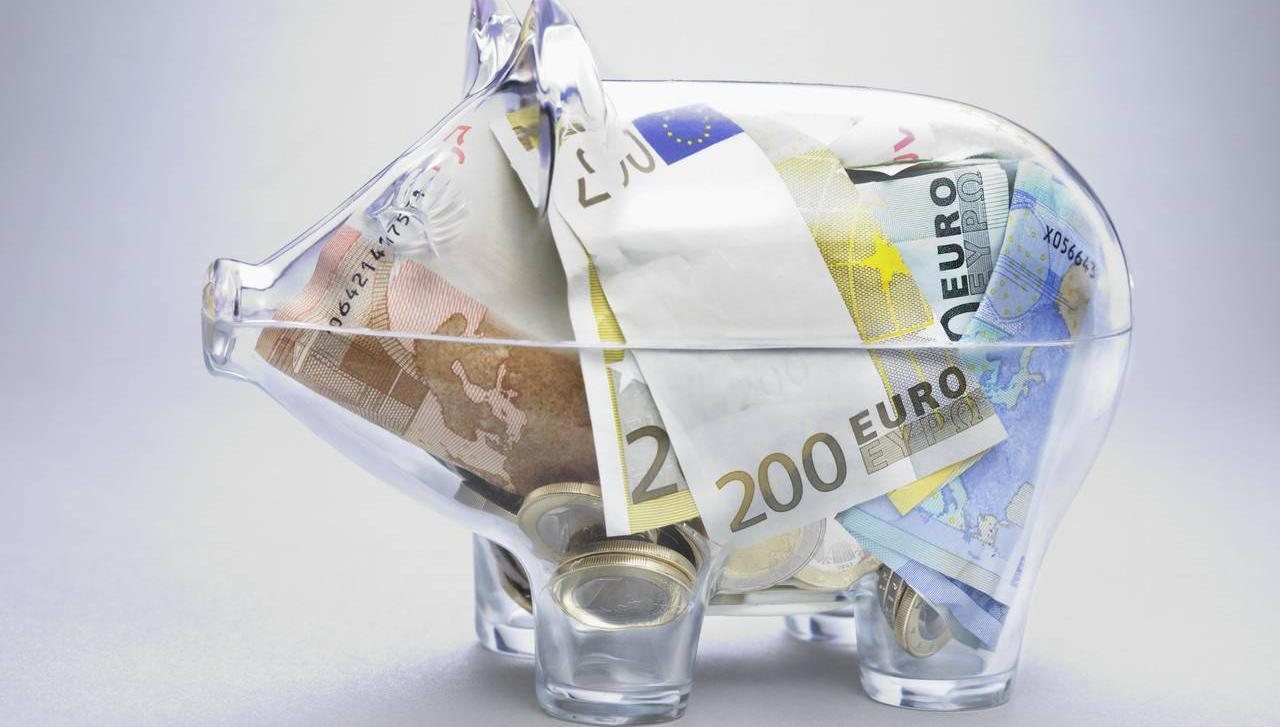
Households built up a lot of savings during covid restrictions and are continuing with this pattern, saving 20% of their disposable income in the last three months of last year — or €1 for every €4 spent. Picture: Roy Botterell/Corbis

Households are now saving twice as much as they did before the pandemic but income is at a standstill due to inflation, latest figures from the Central Statistics Office show.

Households built up a lot of savings during covid restrictions and are continuing with this pattern, saving 20% of their disposable income in the last three months of last year — or €1 for every €4 spent.

Some €3.9bn was saved in the last quarter of 2022, before adjusting for seasonality or inflation.

CSO statistician Peter Culhane said: “This means that far from making up for missed opportunities to spend, households are now saving more than they did before the pandemic.”  

Before covid, households saved on average 10% of their disposable income.

The saving rate shows a “very slowly” declining trend since covid restrictions began to ease, according to the CSO.

Household income, however, was essentially at a standstill in the last quarter, as inflation eroded higher income from employment and social protection.

Pay to workers at current prices increased by 1.6% in the last quarter compared to the third quarter of 2022. The largest increase in growth quarter-on-quarter was in public administration, education and health.

In December, the consumer price index showed a three-month rise of 1.8%, with the costs of housing, water, electricity, gas and other fuels again a major contributor to the overall increase.

“When we take inflation into account, household income was really only standing still. Consumer prices rose as fast as incomes so real total disposable income was largely unchanged,” said Mr Culhane.

Although there is always a rise in spending in the last quarter, household consumption grew partly due to high inflation, with goods and services costing more, but also because more goods and services were used, particularly in the hospitality sector, with bars and restaurants seeing an increase in sales.

The highest volume of retail sales increases were in textiles, clothing and footwear as well as books, newspapers and stationery.

Although consumer spending was still below its 2019 level, consumption rose in the October to December 2022 period, which Mr Culhane said was “not just due to higher prices, nor to seasonal spending”. 

“A slightly greater volume of goods and services were bought in the period, and our surveys of retail and other services show volume growth in bars and restaurants in the last quarter of 2022,” he said.

x

More in this section

Lunchtime News

Newsletter

Keep up with stories of the day with our lunchtime news wrap and important breaking news alerts.

Cookie Policy Privacy Policy Brand Safety FAQ Help Contact Us Terms and Conditions

© Examiner Echo Group Limited