Women with disabilities trapped in abusive relationships due to lack of support services
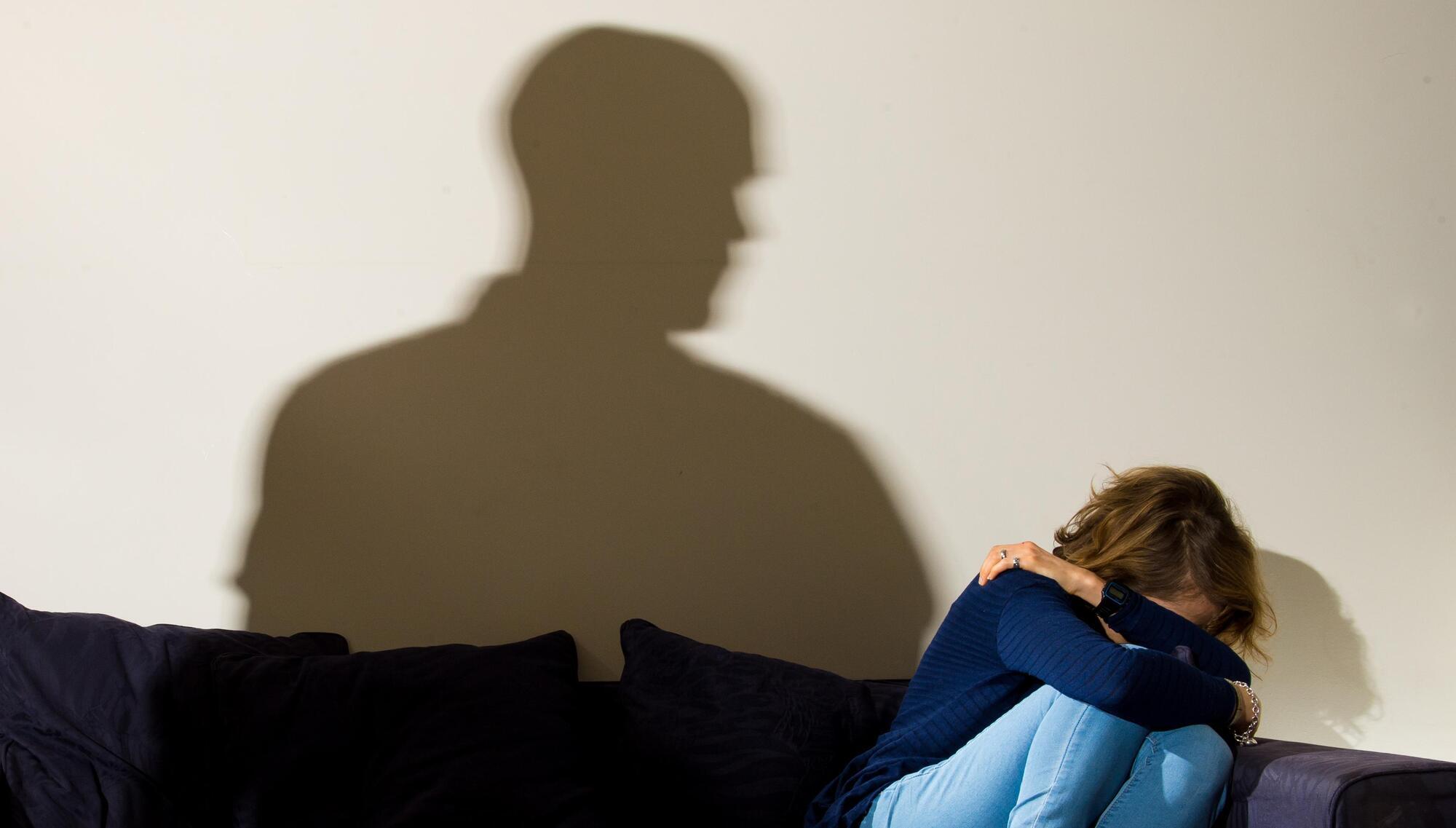
Domestic, sexual and gender-based violence is more prevalent among women with disabilities and that abuse is often perpetrated by family members and carers, Dáil committee told.
People with disabilities are trapped in violent and abusive situations at home with little to no access to support services, an Oireachtas committee has heard.
Dublin has just one accessible domestic and gender-based violence refuge and most counties have none, co-director with Disabled Women Ireland Nem Kearns said.
Domestic, sexual and gender-based violence (DSGBV) is more prevalent among women with disabilities and that abuse is often perpetrated by family members and carers, the Oireachtas disability committee heard.
“I want to leave you so give me the scooter,” Eliona Gjecaj, disability activist and researcher said as an example of the additional barriers to escaping violent relationships some women with disabilities face.
“When it comes to escaping violence we need to know where to run to,” she said.
“And if a woman is under financial restrictions she may not be able to afford a hotel for that night on her own.”Â
Disability services are often attached to the person’s home rather than to the individual themselves, so leaving that address can mean losing access to critical support services for months, Ms Gjecaj said.
Gender-based violence is difficult for any survivor to deal with but for a person with a disability, they encounter extra layers of complexity like finding accessible housing.
Fear of a lack of support elsewhere can force women to compromise their safety and stay in violent environments.
“Violence does not discriminate, and as research shows, disabled women are at higher risk of experiencing violence than non-disabled women,” Ms Gjecaj said.
Ms Kearns said there was not equal access to gender-based violence services, and certainly refuges, for women with disabilities.
Deaf and non-speaking women need specific ongoing conversations because they have specific needs, she said.
DSGBV services in general need better funding and support “across the board.”
And specific ringfenced funding is needed to target the problem of DSGBV for women with disabilities, she said.
Funding is also needed to adapt women’s refuges and shelters for people with disabilities.
Leaving marginalised women to wait without services while the State tries to fix DSGBV services for everyone else “is not okay”, Ms Kearns said.
She also called for reports into institutional abuse, like the Brandon Report, to be published so we can understand and improve institutional behaviours.
Derval McDonagh of Inclusion Ireland said Ireland would not tolerate any other group being forced to live in a home where they were deeply unhappy and subjected to violence and abuse.
But people with disabilities are placed in institutional settings, where they sometimes suffer "peer-to-peer abuse" yet have no choice to leave.
“In no other walk of life would we be asking people to live together with no choice. But for people with intellectual disabilities, that has been happening for years.”Â
She called for people with intellectual disabilities to be supported to move into homes of their own choosing.