Free public transport 'would see a fall-off in walking and cycling'
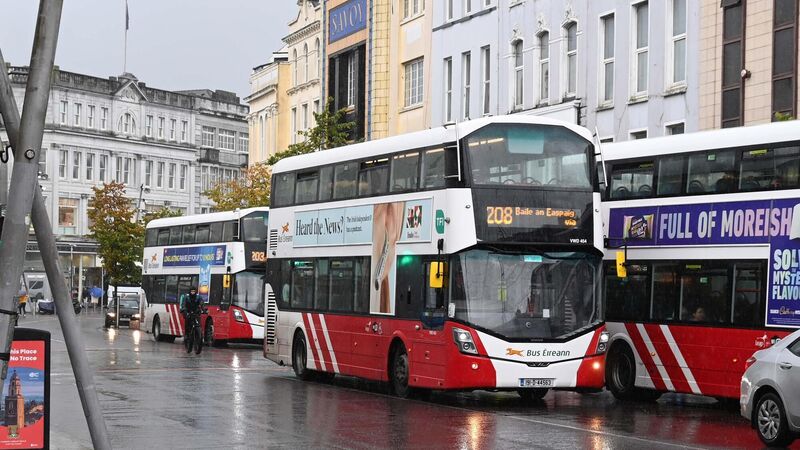
The NTA report suggests making public transport such as buses free of charge could cause a 1% drop in the number of car journeys but would reduce walking and cycling by 7% to 13%. File picture: Denis Minihane
Free public transport would only lead to a 1% drop in the number of motorists using their cars but would see a significant drop-off in people choosing to walk or cycle, an independent analysis has found.
The National Transport Authority (NTA) report, carried out by Ernst & Young, said that findings broadly correlated with international research, with fewer people than hoped opting to leave their cars and travel by the likes of buses.
While it would see an increase in public transport patronage of approximately 22%, the increase "is driven by a reduction in walking by 7%, a reduction in cycling by 13% but only a reduction of 1% in car trips, and an increase in total overall trips", the report said.
Transport and Environment Minister Eamon Ryan came under fire on social media earlier this week after he cited the research, which had yet to be made public, as a reason for discouraging free travel that would lead to "unnecessary" journeys being taken.
The EY report said that although the benefits of the policy include reduced congestion and environmental impacts due to the decline in car use, it would lead to deteriorating health and increased absence from work due to reduced active travel. The report stated: "Overall, the external benefits of reduced car use only outweigh the disbenefits of reduced active travel by approximately €15.3m per annum in this strategic economic assessment."
CLIMATE & SUSTAINABILITY HUB
It warned that free public travel "could make running public transport services more difficult due to a potential loss of data, a sudden increase in demand, and potential unwanted behavioural impacts".
Getting rid of ticketing would make it harder to plan services due to reduced available data, it said. Current capacity could lead to sudden overcrowding, it claimed.
"Capacity could not be expanded quickly enough to absorb it, particularly on the rail network. This would lead to significant overcrowding, as was seen in the case of the German €9 rail tickets this year."
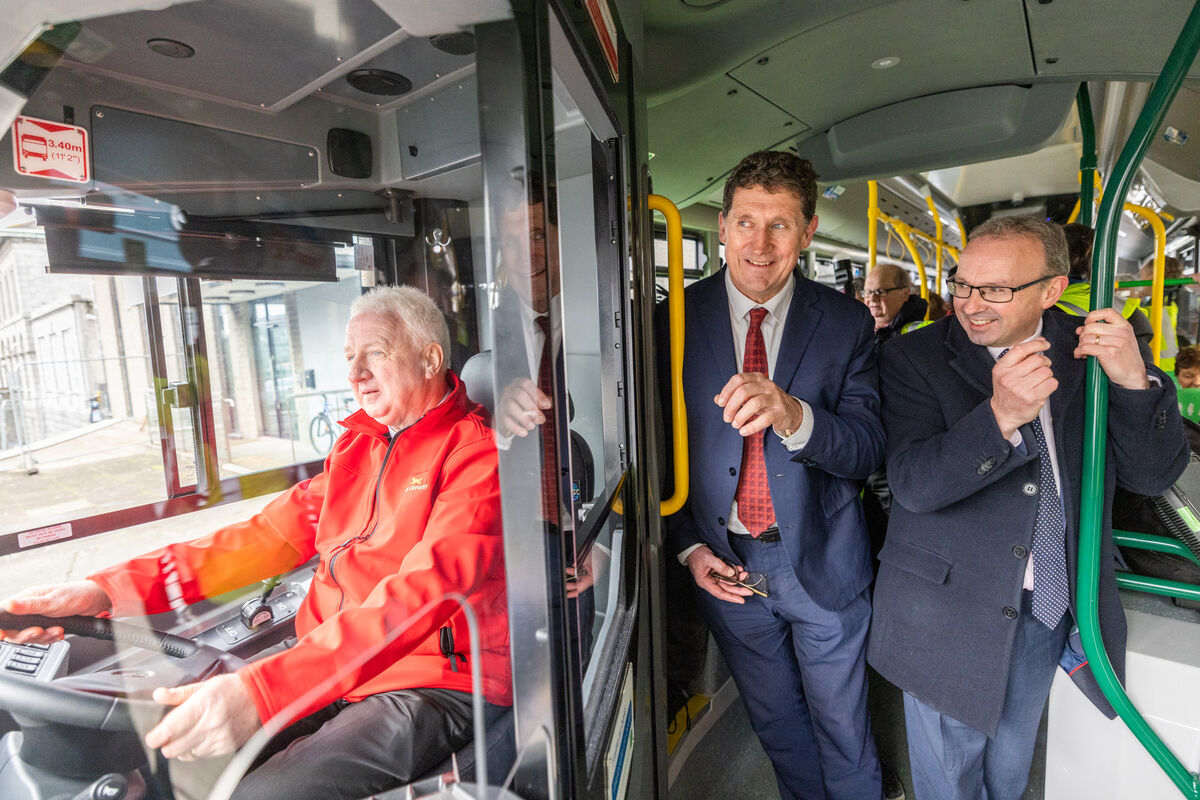
Reversing course on free public transport could see a societal backlash, the report said. The policy also risks spikes in anti-social behaviour, according to the analysis.
The city of Austin in Texas experienced a rise in anti-social behaviour when it introduced free public transport, it said, adding that "it is possible that some of the anti-social behaviour observed on Luas and rail could be seen more frequently on buses if fares are not required while boarding".
This could increase the security costs borne by transport operators, it claimed.
Around €140m will be required to facilitate the purchase of up to 240 new buses, the report said. Subsidising the policy would cost up to €550m annually, rising to €750m if private bus operators were part of it.
CONNECT WITH US TODAY



Be the first to know the latest news and updates