Over half of all Irish plant species in decline, according to report
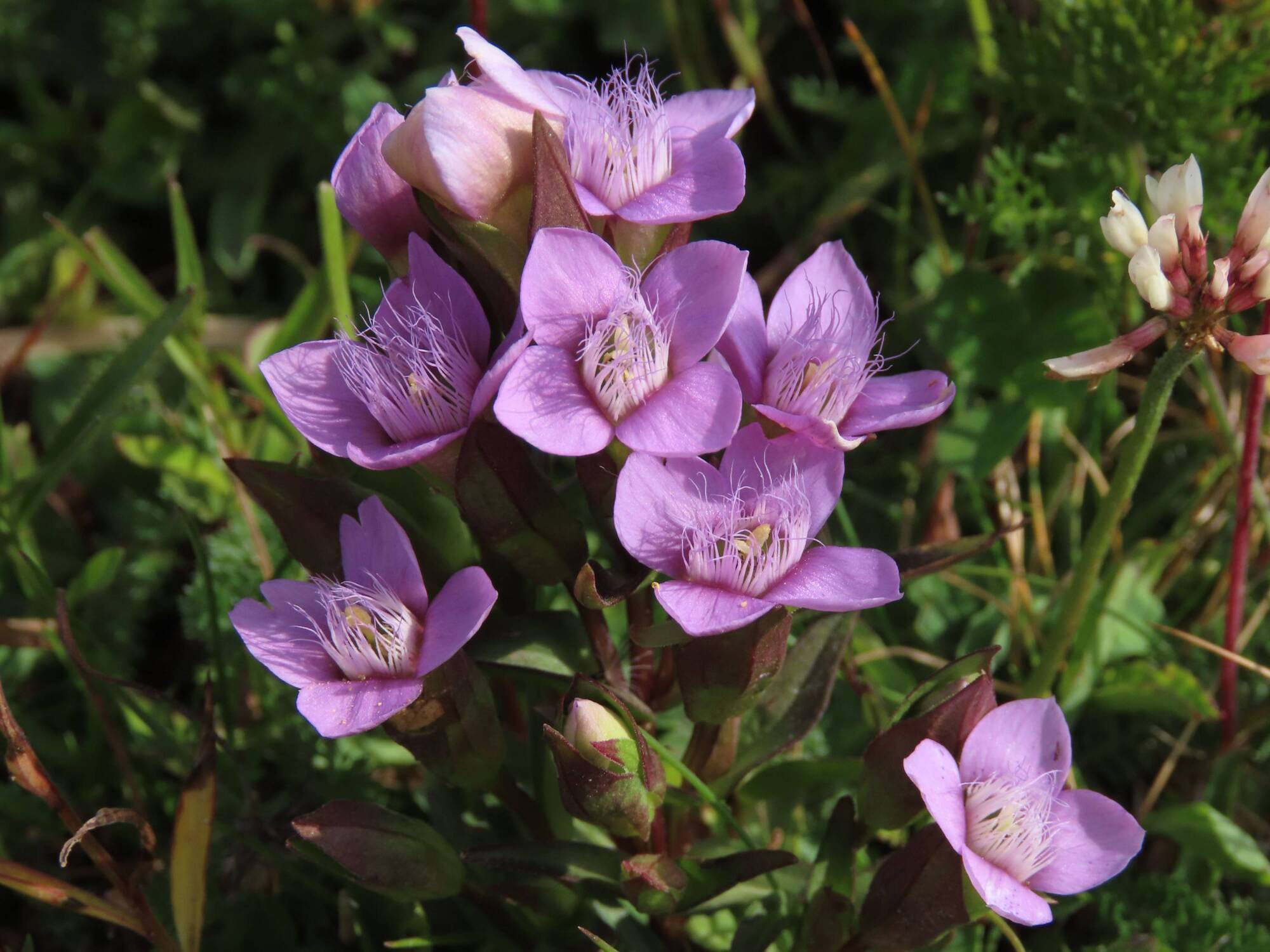
Native Irish species the field gentian
Over half of all plant species native to Ireland are in decline, a new report has found.
A 20-year research project, titled Plant Atlas 2020 and published by the Botanical Society of Britain and Ireland (BSBI), also found that non-native plant species now outnumber native ones.
BSBI Chief Executive, Julia Hanmer said that the 2020 Plant Atlas presents a "powerful and concerning insight into the changing distributions of our wild plants."
The research project collected almost 3 million plant records, spanning across 1,939 various species.
The results, collected by 2,5000 botanists allowed for an "in-depth" set of results, needed to "underpin nature recovery and highlights the urgent need for action".

While climate change has helped some species to spread north, such as the bee orchid, it is forcing mountain plants like the snow pearlwort to retreat.
Changes in agriculture since the 1950s have negatively impacted other habitats on which wild plants depend, the report said.
This decline in Ireland's flora has also affected the country's lakes and wetlands, with many lakes now dominated by the few aquatic plants favoured by nutrient enrichment, such as the introduced Nuttall’s Pondweed.

Many of Ireland's peatbogs have been planted with conifers or converted to agriculture, leading to the decline of native bog plants such as heathers and sundew.
Peatland habitats are important for carbon storage, and their restoration is essential as part of our efforts to combat climate change.
There is evidence that climate change may have affected the Irish flora by helping some southern species to spread northwards.
BSBI President, Dr Micheline Sheehy Skeffington, BSBI President, described the report as a "wake-up call for action".
The results of this survey will help inform governments, leading to an increased effort made to conserve these plants and the habitats they rely on, Dr Sheehy Skeffington said.