Refugees to be housed in portacabins by end of April
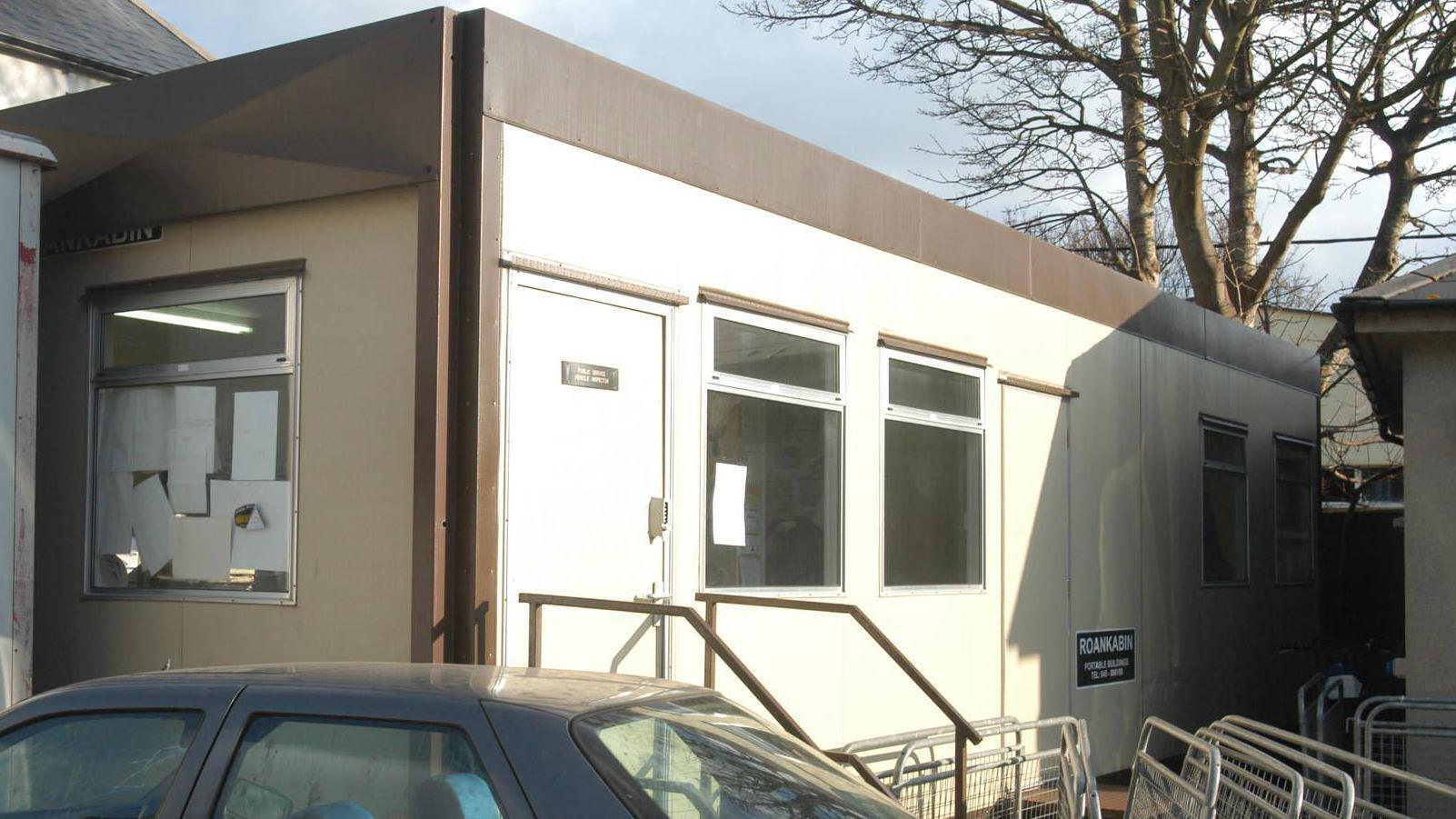
The accommodation working group within the Department of Taoiseach is also examining the procurement of modular units with a 30-year life span to speed up delivery and reduce costs. File picture
Refugees will be accommodated in portable buildings in a move by the Government to speed up the supply of housing for those fleeing war.
The understands that tents will initially be erected at Columb Barracks in Mullingar, Co. Westmeath, for up to 16 weeks to house 120 people before portable buildings are placed on the site.
It’s also understood that the Department of Integration will likely have to outsource work and pay a third party to help staff get through the backlog of invoices from hotels who are awaiting payment for their services.
Staff are being deployed within the department to help speed up payments to hotels, which in some cases are awaiting six-figure sums. The department owes around €40m to private providers who have State contracts.
An accommodation working group within the Department of Taoiseach is assessing medium and long-term solutions as well as focusing on procurement processes as the State continues to scramble to find suitable shelter for refugees arriving in Ireland with nowhere to go.
Hotels will continue to be used “in the foreseeable future,” according to a government source with 46,000 Ukrainians being accommodated by private providers in B&Bs and hostels.
The Department of Integration is aware of the loss of 1,600 beds in the system by the end of next month with hotels accommodating people seeking international protection deciding not to renew their contracts with the State.
It comes as government ministers held an incorporeal cabinet meeting on Friday and approved €20m to provide 400 beds on two sites. Assessments are underway to select the two sites, with land at the Central Mental Hospital and Thornton Hall in Dublin being examined.
Columb Barracks in Westmeath, Knockalisheen accommodation centre in Co. Clare and Athlone accommodation centre are also being assessed. A spokesperson for the Department of Integration said 15 tents will be erected at Columb Barracks to accommodate single males seeking international protection.
“While the initial intention was for the tents to be in place for eight weeks, they will be used for accommodation for approximately 16 weeks given the complexities in using portable building type units,” a spokesperson said.
The department intends to use the site for up to a year in co-operation with the Defence Forces and the Department of Defence. The intention is that no person should have to stay at Columb Barracks for more than three weeks before being moved to more suitable accommodation, according to the spokesperson.
However, this will depend on the availability of housing becoming available. It’s understood the area where tents and later portable buildings will be erected will be handed over to the Department of Integration from Monday with refugees expected to be accommodated in the tents shortly afterwards.
While the tents are in use, the department will procure and install portable buildings for more medium-term use for both Ukrainians and people seeking international protection.
The accommodation working group within the Department of Taoiseach is also examining the procurement of modular units with a 30-year life span to speed up delivery and reduce costs. Modular units with a 60-year life span are due to be ready for Ukrainians to move into by the end of April.
To date, accommodation has been sourced for almost 60,000 people fleeing the war Ukraine. This is in addition to increasing high numbers of people seeking asylum, with almost 20,000 people in accommodation.
In a statement following the incorporeal Cabinet meeting, a government spokesperson said in light of the acute and growing pressures, the government is stepping up action to maximise the pace and scale of delivery on the accommodation strategy.
“An expanded programme of work has now been agreed by government that will allow consideration of commercial properties and sites for development, refurbishment or purchase and the use of alternative modular buildings.
“This work will be progressed by all of the State actors working together as part of the Accommodation Working Group and a National Coordination Unit will be established in the Local Government Management Agency to ensure delivery on the expanded workstream at local level.
“Work is also ongoing across Government to intensify Communications and Community Engagement on the humanitarian response,” the spokesperson added.