International conservation effort could save species from extinction, study finds
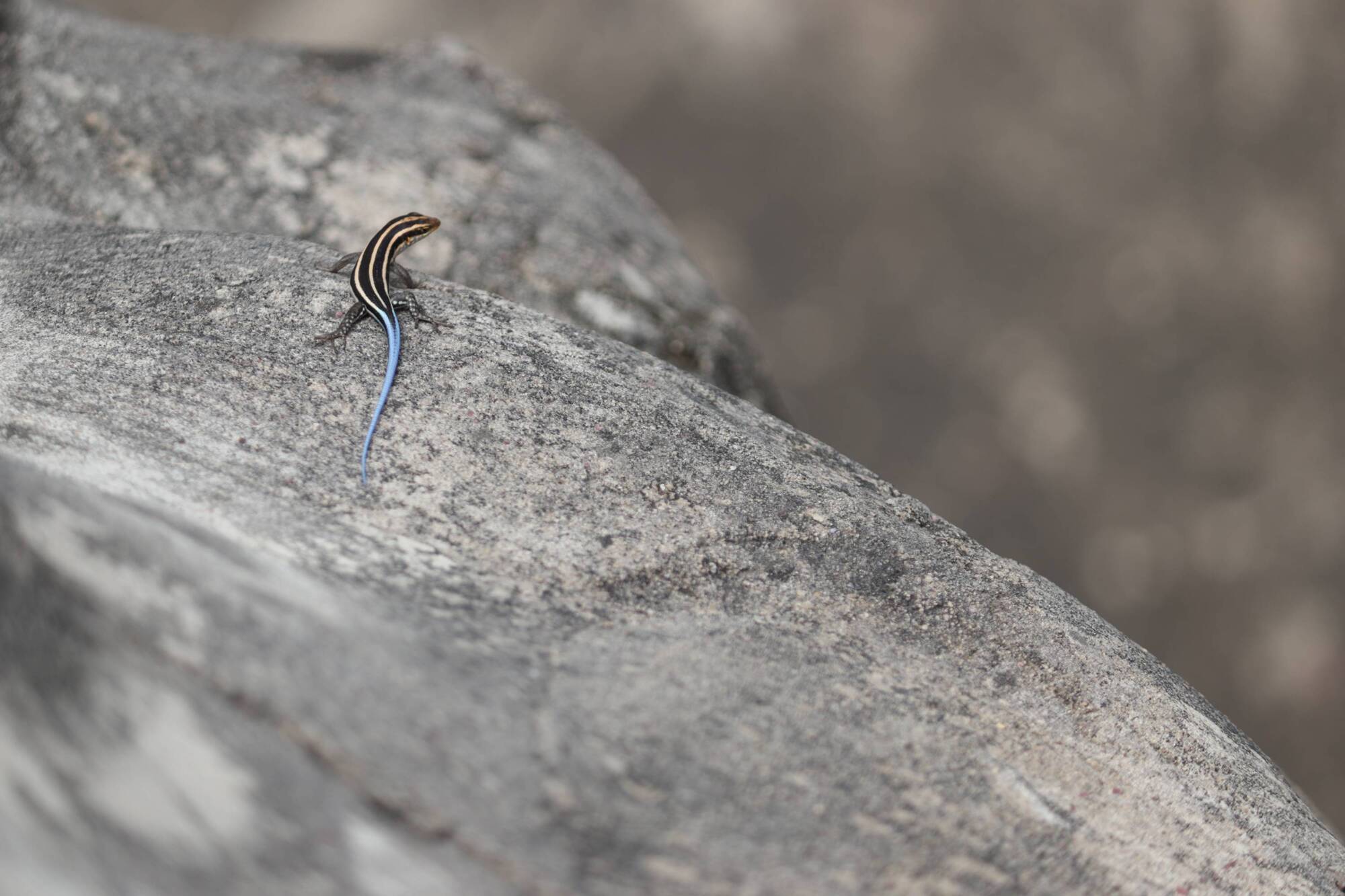
The blue-tailed skink has been successfully released to the wild on the Cocos islands where its population has now reached 1,100 after starting at just 66.
An internationally-led conservation effort could stave off extinction in a number of species perilously close to disappearing — but the situation is now critically urgent.
That is the conclusion of University of Sydney scientists who found that the likes of the almost-gone sihek or Guam kingfisher; the ʻalalā or Hawaiian crow; the Christmas Island blue-tailed skink, Lister’s gecko, and Partula snails, could be brought back from the brink if countries took the threat of extinction of species more seriously.
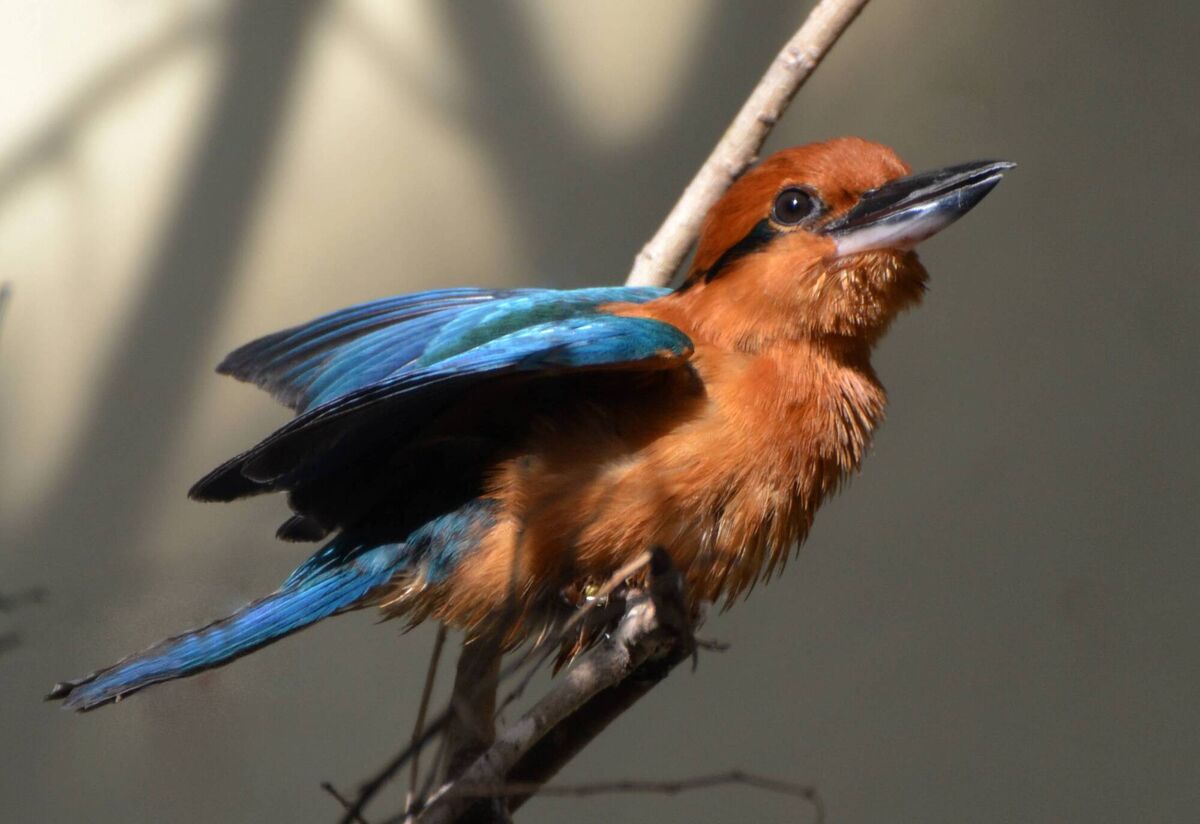
In a study published in the Science journal, the Sydney researchers found that a number of species that are extinct in the wild but remain alive in captivity could have their declines prevented and reversed with urgent international effort.
Dr Carolyn Hogg, co-author of the study, warned that allowing such extinction of species can have far-reaching consequences.
"The loss of these species can have a ripple effect on entire ecosystems, and if we don't take urgent action, the consequences could be catastrophic," she said.
The scientists examined 84 species on the 2022 IUCN Red List that are considered to be extinct in the wild.
The IUCN Red List stands for the International Union for Conservation of Nature Red List of Threatened Species, the world's biggest data inventory of vulnerable species conservation status.
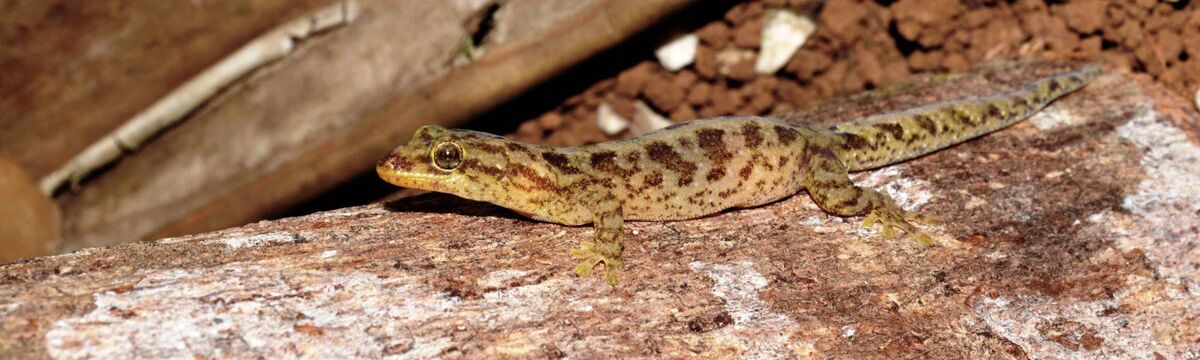
There are currently more than 42,000 threatened species on the IUCN Red List. Extinct in the wild is the second to last most perilous category, after totally extinct. Of the 42,000 threatened species, some 84 species are currently listed as extinct in the wild, comprising of 44 plants and 40 animals.
The Sydney scientists found, for example, that the Christmas Island blue-tailed skink, a small lizard known for its striking blue tail, has been successfully released to the wild on the Cocos islands where its population has now reached 1,100 after starting at just 66.
Dr Hogg said: "The current rate of species loss is unprecedented in human history and is largely due to human activities. This study highlights the need for the conservation and academic communities to better apply research findings into practice to maximise the survival rate of individuals when released back into the wild.
"The smaller a population becomes, the faster it loses genetic diversity, and inbreeding increases, leading to a reduction in reproduction and other fitness. This is problematic for the long-term survival of the species.”
Outside of the IUCN red list, as many as 7.5% to 13% or 150,000 to 260,000 of all 2m known species have already gone extinct since 1500, biologists from the University of Hawaii at Mānoa and the Muséum National d’Histoire Naturelle in Paris estimated last year.
Up to 1m wild species are facing extinction, many within decades, leaving billions of people who rely on them for food and income exposed as the biodiversity crisis worsens, a report from the Intergovernmental Science-Policy Platform on Biodiversity and Ecosystem Services (IPBES), signed off by 193 member countries, also revealed last year.
A landmark global agreement on biodiversity was signed in December at the Cop15 summit in Montreal as the biodiversity crisis reaches a tipping point.
The most significant part of the agreement is a commitment to protect 30% of land and water considered important for biodiversity by 2030. At present, around 17% of terrestrial and 10% of marine areas are protected.

CONNECT WITH US TODAY



Be the first to know the latest news and updates