Government urged to remember households 'in crisis' as cost of living continues to rise
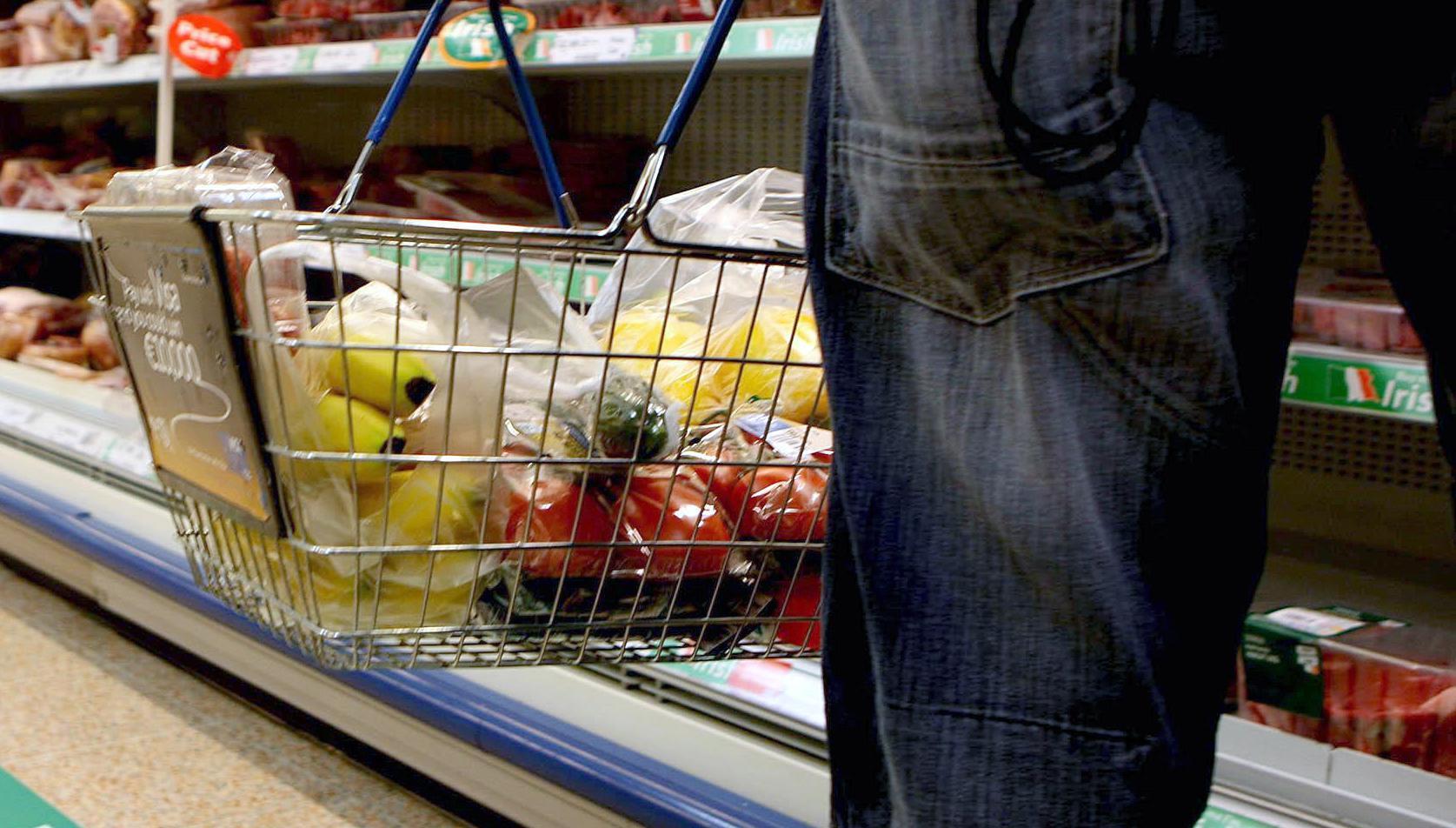
There have been double-digit rises in the cost of many food staples in the past year, according to the CSO.
Inflation has dropped for the third month in a row but remains stubbornly high, as the price of food and housing continues to drive the rise in the cost of living.
The Central Statistics Office’s Consumer Price Index for January 2023 put the inflation rate at 7.8%. This was a fall from 8.2% the previous month and from a high of 9.2% in October. It is the 16th straight month that inflation was above 5%.
Advocacy groups urged the Government to provide further supports to help struggling households deal with the worsening cost-of-living crisis.
The latest statistics from the CSO reveal how much more households were paying at the start of 2023 compared to the beginning of 2022.
Electricity bills are now 62.7% higher than a year ago, while gas bills rose 86.3%. While private rents were up 10.4%, households were paying 26.9% more on mortgage interest.
There have been double-digit rises in the cost of many food staples in the past year, according to the CSO.
While food generally is up 12.9%, there were sharper rises for bread (up 16.7%), poultry (up 19.5%), cheese (up 16.2%), and eggs (up 22.3%).
The latest CSO release also includes a breakdown of the national average prices for a range of items.
Statisician Anthony Dawson said: “The national average price of a number of items rose in January 2023.
“There were price increases for an 800g loaf of white sliced pan (+27c), an 800g loaf of brown sliced pan (+26c), 2 litres of full fat milk (+53c), and a pound of butter (+73c) when compared with January 2022.”
While the price of an average pint of stout stood at €5.21 in January, up 26c in the year, that has yet to reflect the hike in keg prices from Diageo that has prompted Guinness prices to rise in many pubs.
The latest inflation figures come as the Government is being urged to strengthen supports for vulnerable families, with the Society of St Vincent de Paul urging an €8 increase to core social welfare rates.
Its head of social justice, Dr Tricia Keilthy said: “As the Government is considering the future of the current cost-of-living package and what supports can be continued, or new ones introduced, we strongly urge targeted support to households in crisis.
“Government can no longer rely on short-term responses to what are longer-term problems. With increasing numbers seeking help, not only from SVP, but also from other charities and applications for Additional Needs Payments to Community Welfare Officers (CWO) around the country at a record level, it is clear that the number of families struggling needs to be addressed.”
Active Retirement Ireland, meanwhile, urged a reform and increase to the pension to help older people struggling with spiralling costs.
“Despite the increase to the pension earlier this year, the state pension now sits at just 30.6% of the current median wage in Ireland, even lower than in 2021 when the state pension equated to 32% of the median wage,” CEO Maureen Kavanagh said.
“In 2018, the Government committed to ensuring a state pension of 34% of the average weekly wage. Even with the increase in the most recent budget, the full contributory state pension falls short of this by €29 a week, or €124 a month.”
Separately, a new survey of 1,000 published by Revolut suggested that 56% of people think prices will go up even more this year.
Furthermore, just over one in five said their salary hadn’t increased in the last year while just under one in four said that while their salary had increased, it hadn’t increased in line with inflation.
The most pessimistic about the year ahead are 45-54 year olds, with 63% of them saying prices will increase further this year.

CONNECT WITH US TODAY



Be the first to know the latest news and updates