Road tests find hybrid cars pollute more than advertised
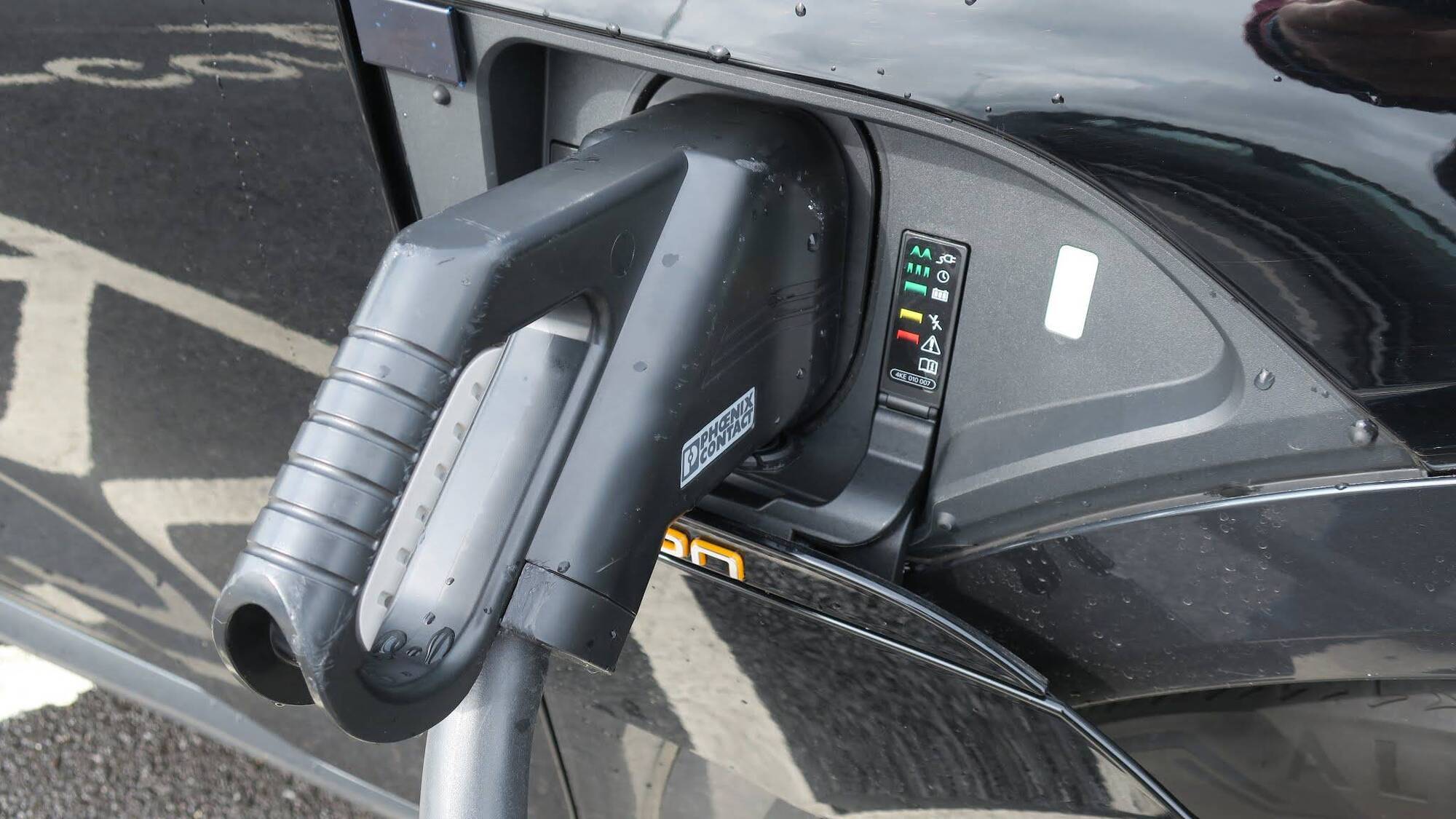
Furthermore, the vehicles did not last as long as the electric range claimed, the researchers said.
Hybrid cars are far more pollutant than previously thought, especially around cities where they have been marketed as more environmentally friendly.
Researchers at the Graz University of Technology in Austria were commissioned by pan-European sustainable travel non-governmental organisation Transport & Environment (T&E) to examine the emissions from hybrid cars and its impact on cities.
Plug-in hybrids (PHEV) have been touted as a bridge between phasing out petrol and diesel cars and the mass adoption of electric vehicles (EV) in Europe's shift towards eliminating fossil fuel usage and lowering emissions in the coming decades. They use both fossil fuel and electric power.
Proponents of hybrids claim that they are environmentally friendlier, especially in cities and for shorter drives, as they are geared towards motorists using the electric modes more frequently in such locations. However, skeptics of hybrid vehicles point to studies that show motorists do not use the electric element as much as has been envisaged.
Graz researchers tested a BMW 3-Series, Peugeot 308 and Renault Megane, on commuter and city routes and found that they emitted more CO than advertised when tested on the road, even when starting with a full battery.
T&E said the BMW polluted three times its official rating when driven on a typical commuter route, according to the tests. It added that the Peugeot 308 and Renault Megane plug-in hybrids performed better but still polluted 20% and 70% more than claimed respectively, despite the relatively short round-trip distance covered, which was 55km.
Furthermore, the vehicles did not last as long as the electric range claimed, the researchers said. T&E said that in city driving, the Peugeot had just 53% of the advertised electric range on a single charge while the BMW had only 74%. Only the Renault had the electric range claimed, it said.
Even though the Renault performed better than the others, its 50km on a single charge and no fast charging means that it is nevertheless limited in preventing meaningful emissions, T&E said.
Vehicle emissions manager at T&E, Anna Krajinska, said: “Plug-in hybrids are sold as the perfect combination of a battery for all your local needs and an engine for long distances. But real-world testing shows this is a myth."
BMW said in response to the study that PHEVs play an important role in its transition to full electric models, with owners more likely to move to battery vehicles in the future. Renault and Peugeot owner Stellantis was asked for comment.
Meanwhile, figures from the Central Statistics Office (CSO) show the number of new electric cars increased by 40% from January of last year to the same month this year, up to more than 2,500.
Statistician Nele van der Wielen said the figures show the continued growth in the number of electric and plug-in hybrid vehicles licensed in Ireland. Petrol and diesel PHEVs accounted for more than 3,700 new cars licensed.
Toyota (3,293) was the most popular make of new private car licensed in January 2023, followed by Hyundai (2,357), Volkswagen (1,499), Skoda (1,276) and Kia (1,153). Together, these five makes represent more than half (57%) of all new private cars licensed in January 2023, the CSO said.


CONNECT WITH US TODAY



Be the first to know the latest news and updates