National debt stands at €44,000 per person
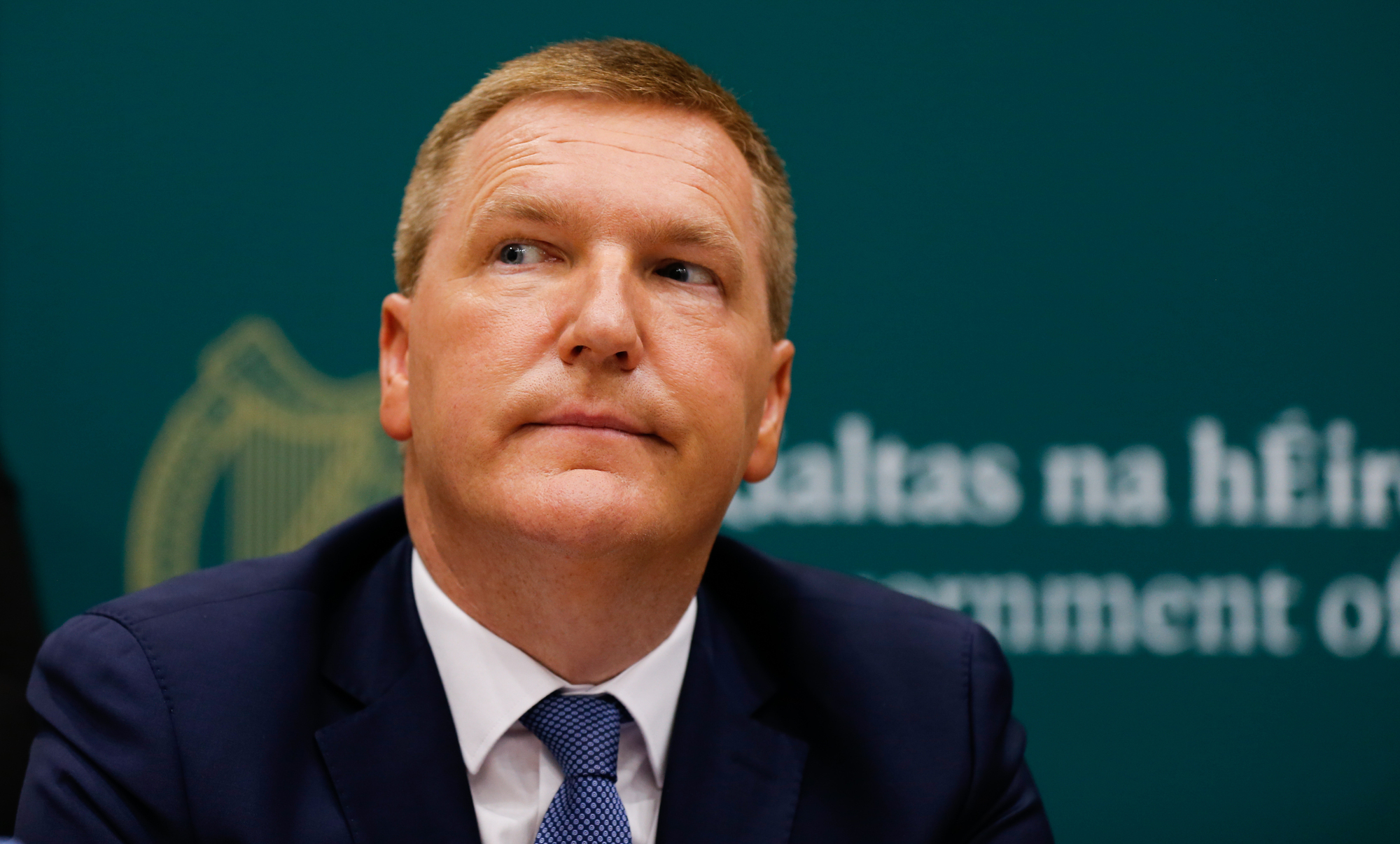
Michael McGrath said the increase in debt was unavoidable due to the pandemic (Damien Storan/PA)
Ireland's public debt increased to €226bn last year and now stands at €44,000 for every person in the country, one of the highest per capita debt burdens in the world.
A new report from the Department of Finance shows the debt burden is well above the EU average of €30,288 per person and just behind Belgium with the highest in the EU at €50,136. Bulgaria, with debt of €2,705 per person is the lowest.
The overall public debt has increased from €203bn just prior to the pandemic. At an estimated 86 per cent of national income, the level of indebtedness remains high, despite the return of the debt-income ratio to a downward trajectory.
Minister for Finance Michael McGrath warned that the level of debt is concerning, as Ireland remains exposed to fiscal shocks due to its reliance on corporate tax receipts, but said that he still expects the Irish economy to grow in 2023.
Mr McGrath also said that some one-off cost-of-living measures that are due to run out in the coming weeks would be extended, adding that they would not be continued “indefinitely”.
“I and the government acknowledge that the cost of living remains very high still for many people around the country,” he told reporters in Dublin.
“It’s clear that some of these supports will need to be extended beyond that date, but I must also be clear, however, we cannot afford to continue with that level of support indefinitely.”
The Minister for Finance Michael McGrath said renewed pressure has been placed on the State finances by the unavoidable increase in public indebtedness during the pandemic, the war in Ukraine, the associated energy price shock and a cost-of-living crisis.
“We face these challenges with elevated debt levels; Ireland continues to have one of the highest per capita debt ratios in the developed world," he said.
The majority of Ireland's debt is locked in at fixed prices and relatively long maturities, which insulates us from the changing interest rate environment.
"Nevertheless, the re-financing of our existing debt over the medium-term will most likely lead to increased debt servicing costs, the first call on the public finances," McGrath said.
The report includes another warning to the Government of an overreliance on corporation tax receipts with €1 in every €8 of all tax collected by the State directly sourced from just ten large corporations.
"The tax base is very narrow and a shock to corporation tax receipts – or the income taxes that are associated with the multinational sector activity that generates these corporate revenue streams – could result in a very large deficit," the report states.
“It is essential that the public finances stand ready to deal with these challenges. This report underlines the need for prudent management of debt and the re-building of our fiscal buffers," Mr Grath said.
Additional reporting PA