Ireland must do more to fulfil rights of children, Roderic O’Gorman tells UN convention
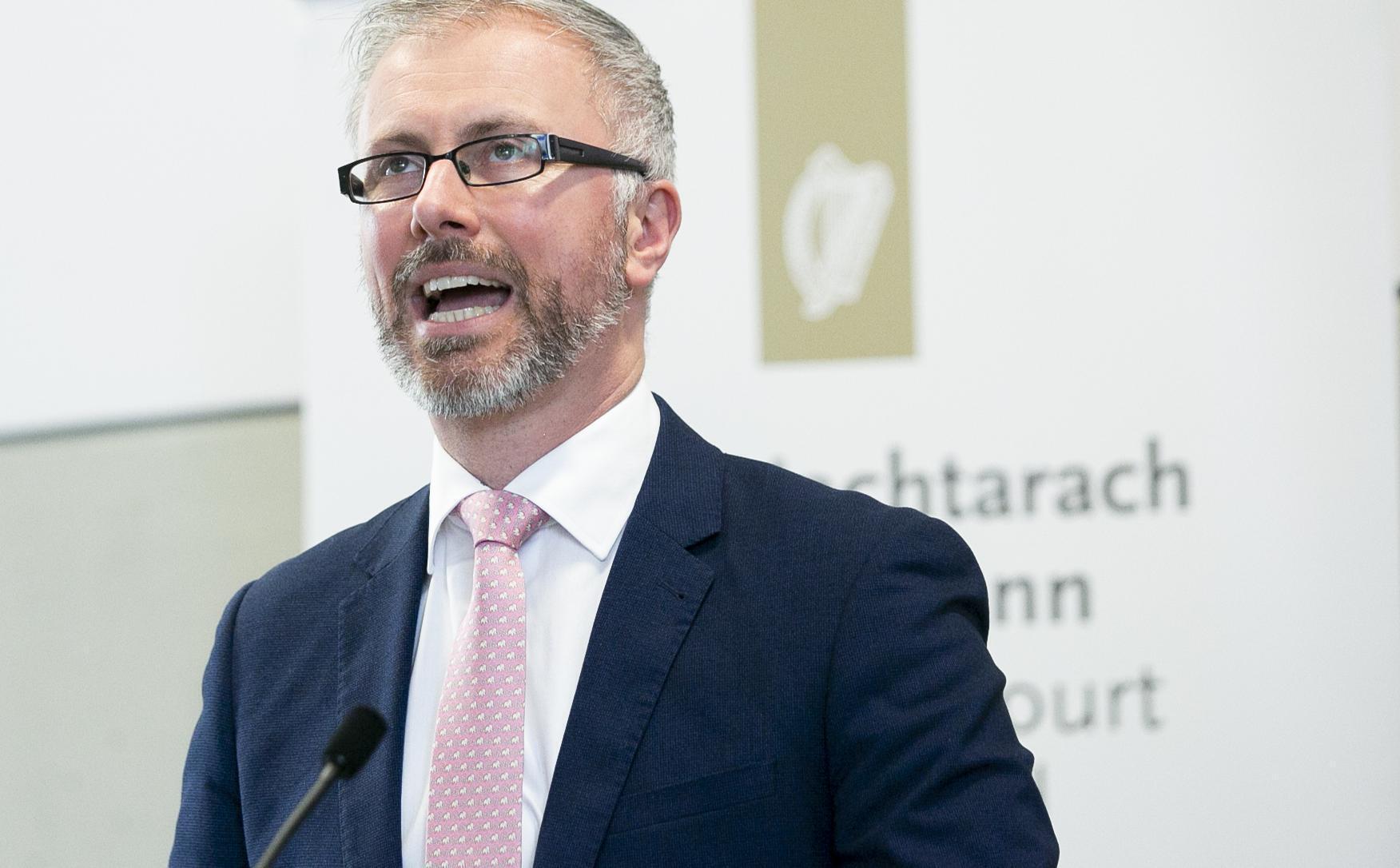
Recruitment and retention of staff would be a key issue for Mr O’Gorman and Minister of State for Disabilities Ann Rabbitte. Picture: Gareth Chaney/ collins
Children Minister Roderic O’Gorman told a UN convention that Ireland must do more to fulfil the rights of children and adults with disabilities in Ireland.
Mr O’Gorman told the UN Convention on the Rights of the Child that he looked forward to taking responsibility for the “significant challenge” of the Government’s disabilities brief from March 1 when it would move from the Department of Health to the Department of Children, Equality, Disability, Integration and Youth.
Mr O’Gorman said that the increasing size and responsibilities of his department will not limit the Department’s focus on children. At the centre of his department’s remit is the issue of vulnerability — of children, migrants, people with disabilities — and that is the right approach to take, he said.
He said that questions had been raised at the UN about the current system for providing children’s disability services, called Progressing Disability Services (PDS) which many parents say is failing their children.
“We recognise a very significant number of children are not receiving services in a timely manner,” he told the UN Convention on the Rights of the Child in Geneva. These delays and lack of care were having a significant impact on children and their families, he acknowledged.
Recruitment and retention of staff would be a key issue for Mr O’Gorman and Minister of State for Disabilities Ann Rabbitte, he added. A chronic lack of staff was a problem in the sector, although the area had been prioritised and granted investment by Government, he said.
“There are a range of real challenges in this area but they have been identified as a priority by Government and will be worked on by my department when the transfer is complete,” he said.
Department of Health official, Siobhan Hargis, said that waiting lists for Assessment of Need (AON) tests for children with disabilities had increased. But solutions, like increased investment, recruitment, and new technologies have begun to improve waiting times, she said.
€11.5m was budgeted for in 2023 which would help fund additional assessments for children with disabilities, she said, which include paying overtime to existing staff and providing administrative resources to free up therapists to assess and treat children.
The High Court previously found that the AON did not comply with the Disability Act and the HSE would soon finalise interim clinical guidance on assessing children with disabilities, Ms Hargis said.
Targeted activity plans had helped to improve some therapy waiting lists, she said, with the waiting list for speech and language therapy (SLT) decreasing by nearly 15% between July 2021 and September 2022. The number of children waiting more than 12 months for SLT had decreased by 66%, she said.
Reductions in waiting times for occupational therapy and physical therapy had also been achieved, she said. But she acknowledged that more needs to be done to improve waiting lists and ensure children get the care they need in a timely fashion.
She also acknowledged the many challenges in children’s mental health services following the damning interim Mental Health Commission’s (MHC) report into serious shortcomings in the Child and Adolescent Mental Health Services (Camhs).
Financial investment of €1.2bn had been secured for mental health services in Budget 2023 which would help improve Camhs services, she said. “Year-on-year investment has resulted in improved services,” she said, citing expanded specialist mental health teams for patients with eating disorders.
The number of children referred to adult eating disorder services reduced significantly from 247 in 2008 to 19 in 2022, despite an increased demand overall for services, she said. Between 2012 and 2021 an additional 18 Camhs teams were established, she said.
“Yet children and families may still experience waiting times,” she said. Between 2020 and 2021, referral rates increased by 33% to Camhs, she said. Urgent referrals were responded to by Camhs within three days, she added.

CONNECT WITH US TODAY



Be the first to know the latest news and updates