European Commission proposes creation of 'buzz lines' to end 'alarming decline' of pollinators
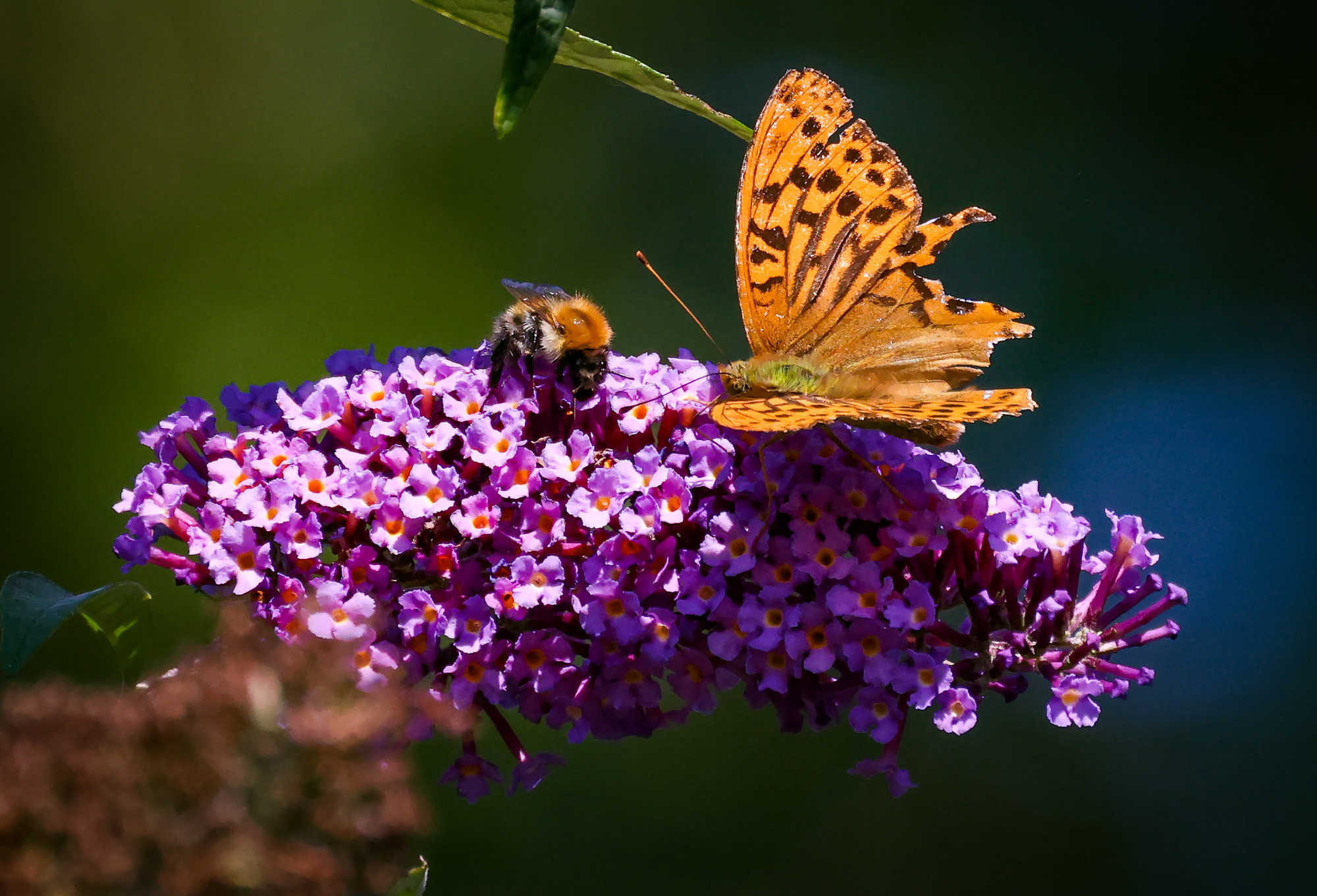
The Commission said that without pollinators, many plant species would decline and eventually disappear along with the organisms that depend on them. File picture: Marc O'Sullivan
The European Commission has vowed to arrest the "alarming decline" of wild pollinating insects across the EU, with a third of bees and butterflies disappearing in recent times.
A recent study found that dwindling pollinators are linked to more than 400,000 premature deaths globally each year due to reduced food supply.
The Commission proposal, which would need to be accepted by the European Parliament and the Council of Ministers which represent various national governments, involves identifying so-called "buzz lines", or a network of ecological corridors for pollinators.
Conservation plans will also be prepared, while there would be more support for pollinator-friendly farming under the Common Agricultural Policy, the Commission said.
Mitigating the impact of pesticide use on pollinators would be done through legal boundaries that measure toxicity, with "excessive use" of pesticides blamed for much of the decline.
A study published last month in open access journal Environmental Health Perspectives found that 3% to 5% of fruit, vegetable, and nut production is lost due to inadequate pollination, leading to an estimated 427,000 excess deaths annually from lost healthy food consumption and associated diseases.
The Harvard TH Chan School of Health study said that most crops receive suboptimal pollination because of scarcity and a lack of diversity of pollinating insects.
"In addition, we calculated that low-income countries lost significant income and crop yields from pollinator deficits. These results underscore the urgent need to promote pollinator-friendly practices for both human health and agricultural livelihoods," it said.
The Commission said that without pollinators, many plant species would decline and eventually disappear along with the organisms that depend on them.
"This would have serious ecological, social and economic implications. With around 80% of crop and wild-flowering plants depending on animal pollination, pollinator loss is one of the largest threats to EU nature, human wellbeing, and food security, as it compromises sustainable long-term agricultural production," it said in its outline of the new proposals.
The conflict in Ukraine, considered the world's breadbasket because of its massive wheat industry, and other geopolitical factors have added to the urgency to make food systems more resilient, including through protecting and restoring pollinating insects, the Commission said.
Irish entrepreneurs have recognised the gap in the market for pollination. ApisProtect, co-founded by Kanturk native Fiona Edwards-Murphy, monitors millions of honey bees across the world using internet of things (IoT) technology and has received significant international funding since graduating.
CONNECT WITH US TODAY



Be the first to know the latest news and updates