Europe plans to stockpile drugs amid medicines shortages as flu crisis worsens
Europe plans to stockpile drugs amid medicines shortages as flu crisis worsens

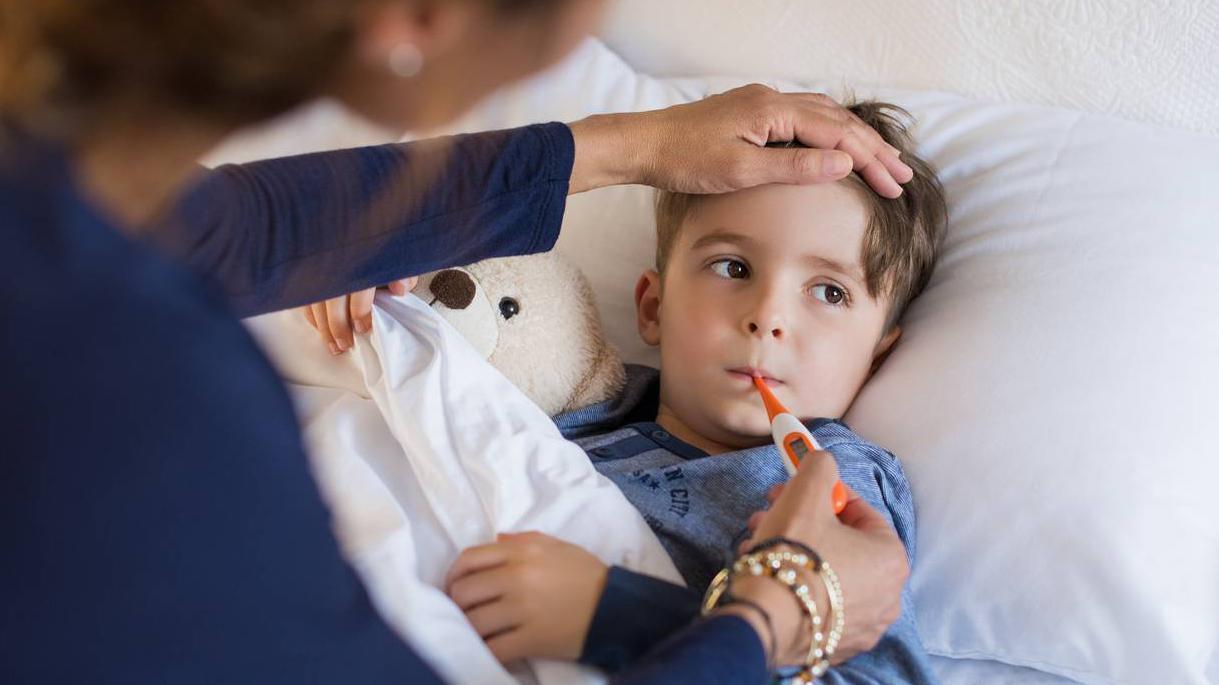
As influenza continues to rage though Europe, Nurofen, Amoxicillin, Dioralyte, and five types of Benylin cough syrup are among the medicines in short supply in Ireland. Picture: iStock

The European Commission is planning to stockpile drugs, with over 200 medicines unavailable to Irish patients, amid warnings from the HSE that flu numbers will continue to rise.

Irish patients are now unable to get more than 200 medicines, up from 187 before Christmas, as a mixture of high demand and supply-line problems collide. 

Among the medicines in short supply are the following: 

  • Two types of Amoxicillin antibiotics; 
  • One type of Nurofen for children; 
  • Five types of Dioralyte rehydration powders;
  • Six types of cough syrup produced by Benylin.
It comes as the HSE interim CEO Stephen Mulvany warned that high trolley numbers may return again, with emergency measures set to last up to 10 weeks.

Patient numbers in hospitals and GP services are now “matching or exceeding our most pessimistic model”, he said.

Over the last three weeks, hospitals admitted 21,837 patients, which was 10% above the modelling.

Flu numbers are continuing to rise. Mr Mulvany warned: “We will continue to deal with high levels of flu and other viruses during February and likely into March.

“We may not be in the full escalation for 10 weeks, [but] it could be as long as that before the virus is back to normal levels.”

Last week, 931 people were on trolleys on just one day. Mr Mulvany said: 

Can we be absolutely certain we won’t get to that level again? We can’t, because we don’t know when the flu is going to peak.

He defended the planning done for this winter crisis: “I wouldn’t accept it was totally predictable.

"As we said, it was an unprecedented level of flu season on top of two other circulating viruses, RSV and Covid, so we wouldn’t accept that.”

Cases of RSV, mainly among young children, also continue to rise, although the numbers of children in hospitals with RSV dropped by 5% last week.

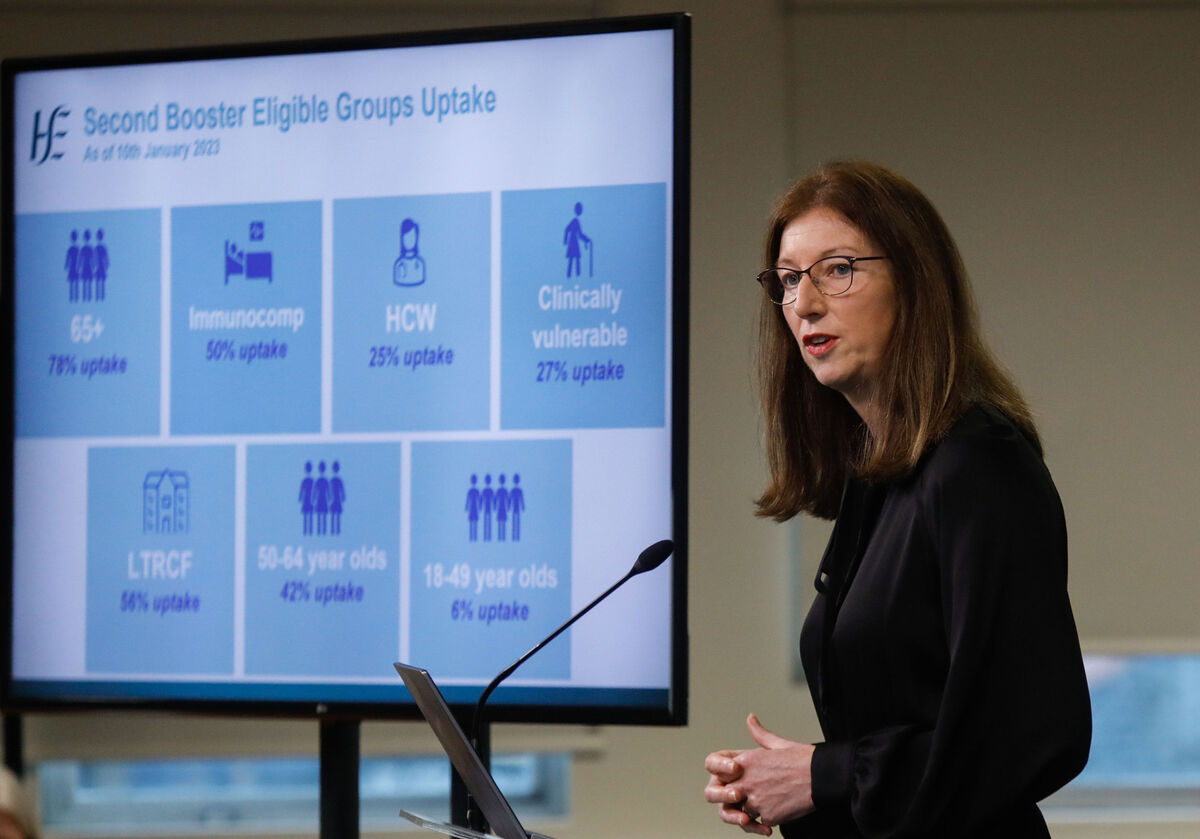
During yesterday's briefing, HSE vaccination lead Eileen Whelan urged people, especially those aged 18 to 49, to come forward for vaccinations. Picture: Leon Farrell/Photocall

Mr Mulvany said not all sites are facing the same pressures.

Crisis measures include using 180 beds in private hospitals, more GP hours, extra hospital staff at weekends, and working with Nursing Homes Ireland to match discharged patients to beds.

“It is an emergency response as it has been designed, it is not sustainable in the long term,” said Mr Mulvany.

Meanwhile, ambulances can now take some patients to hospitals in Mallow in Cork, Ennis in Clare, and Roscommon instead of larger overcrowded hospitals, despite a Government policy mandating the closure of emergency services at these sites.

Mr Mulvany said: “It is absolutely not a reversal of the State’s policy on reconfiguration of small hospitals.” 

He added: “It is a continuation of the State’s policy to invest in small hospitals and make them busier places.” 

Chief clinical officer Colm Henry said patients likely to need intensive care will not be sent to these hospitals.
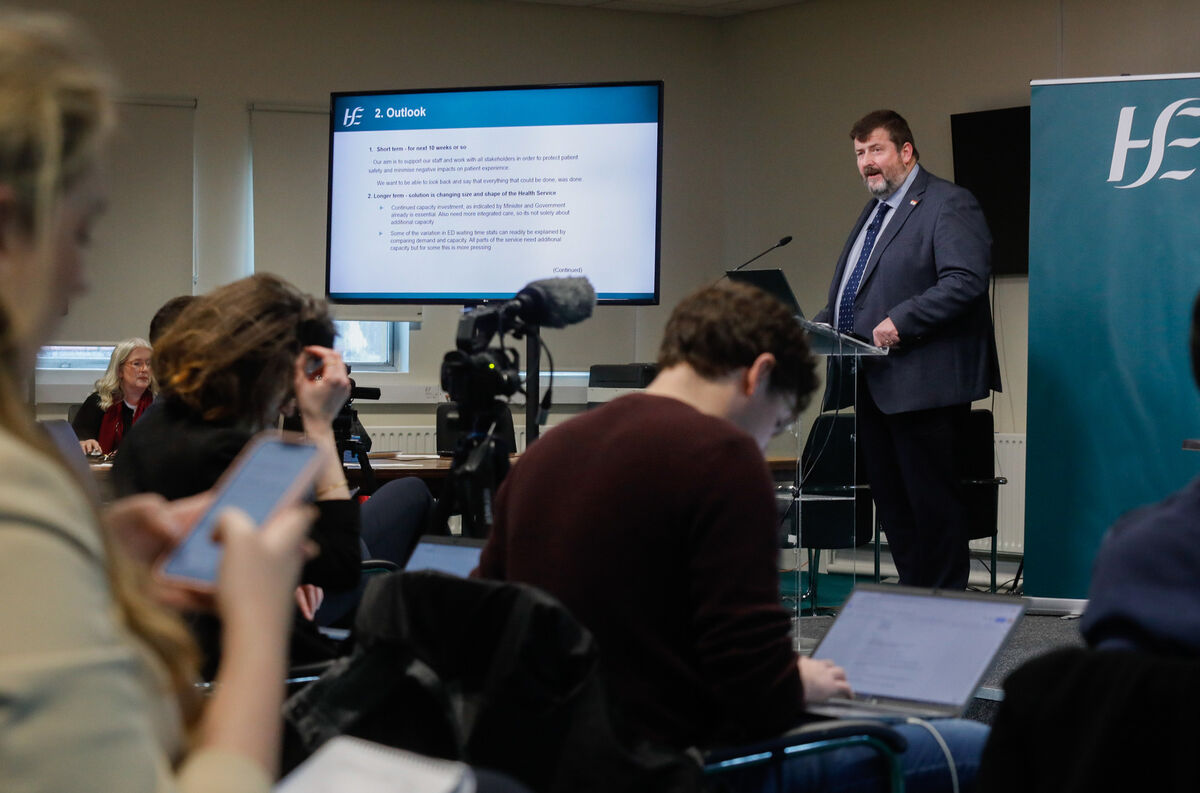
'We will continue to deal with high levels of flu and other viruses during February and likely into March,' interim HSE chief Stephen Mulvany said yesterday. Picture: Leon Farrell/Photocall

The ambulance changes will continue, chief operations officer Damien McCallion said — but they are subject to evaluation.

Mr McCallion said this project may be rolled out to other smaller hospitals which already have a medical assessment unit.

As hospitalisations linked to Covid-19 remained high at 509 yesterday, HSE vaccination lead Eileen Whelan urged the public, especially those aged 18 to 49, to come forward for vaccinations.

She also called on healthcare workers to get vaccinated, with this rate as low as 17% in some areas.

On the international stage, the European Commission is preparing to stockpile drugs and oblige manufacturers to guarantee supplies in an effort to tackle the ongoing medicines shortages.

The commission will also try to cut reliance on China and increase domestic production capacity, the commission told the Financial Times. Health commissioner Stella Kyriakides has outlined a plan indicating the commission will intervene to ensure “strategic autonomy” in basic medicines through a “systemic industrial policy”.

The chief medical officer is Ireland’s representative on the European Health Emergency Preparedness and Response Authority, which has responsibility for ensuring Europe’s ability to prevent, detect, and respond to cross-border health emergencies.

More in this section

Lunchtime News

Newsletter

Keep up with stories of the day with our lunchtime news wrap and important breaking news alerts.

Cookie Policy Privacy Policy Brand Safety FAQ Help Contact Us Terms and Conditions

© Examiner Echo Group Limited