Low-income and rural households 'more vulnerable' to climate-related hikes to energy bills
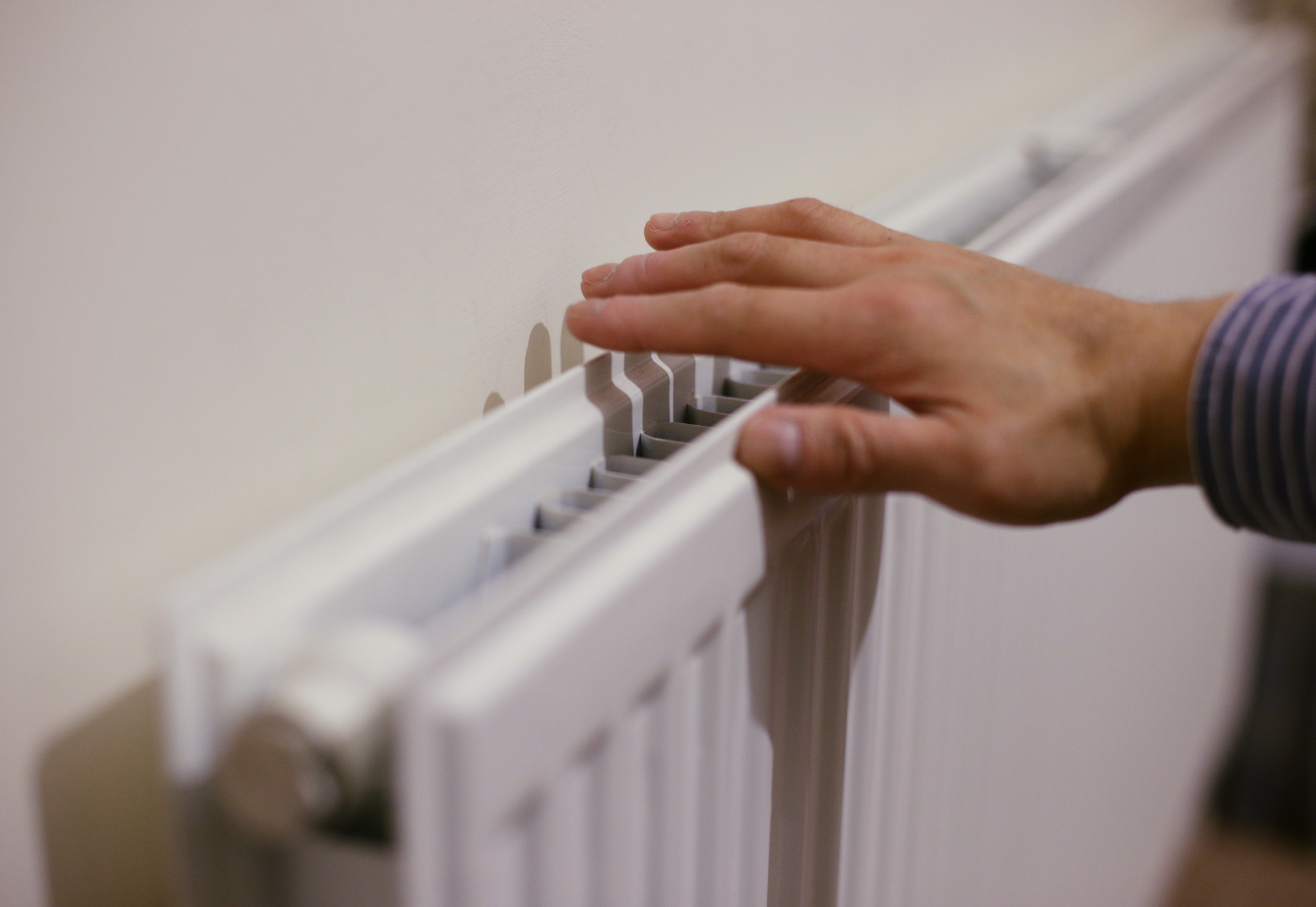
Energy usage is 40% higher in rural areas, largely due to bigger properties and higher transport expenditure, Central Bank said.
Low-income households and large rural properties are “significantly more vulnerable” to climate-related hikes to their energy bills in the future, the Central Bank has said.
In a piece of research published on Thursday, the Central Bank examined how policy related to climate change could affect households and the potential impact of long-run energy price rises on mortgaged households.
The Central Bank said: “Increasing global temperatures in the coming decades will lead to more frequent and intense weather-related damages to communities, ecosystems and economic assets (‘physical risks’).”
It said while this long-term damage could be reduced through rapid climate action, the policies that underpin this climate action, what it terms a “significant technological and behavioural net-zero transformation”, could have a disproportionate effect on some households and businesses.
The research particularly looked at carbon tax changes that could be implemented in the coming years and the effect that could have on households’ energy bills. It said there was a high likelihood of a significant rise in carbon tax in the coming decades in order to achieve the net-zero target.
“The main policy driver underpinning this analysis is increased energy prices as a result of carbon (CO2) tax changes,” the Central Bank note said. “For example, the current policy commitment in Ireland is to increase CO2 taxes from €41 per tonne (2022) to €100 per tonne in 2030.
“While there are no additional commitments beyond 2030, long run macroeconomic forecasts (NGFS, 2021) show that CO2 shadow prices would need to increase continuously to approximately €750 per tonne by 2050 to achieve global net zero emissions.”
The researchers found energy consumption and emissions correlate positively with income, property size, the number of people in a property and location, in this case rural areas.
Emissions in higher-income groups are more than double those on lower-income groups. Meanwhile, energy usage is 40% higher in rural areas, it said, largely due to bigger properties and higher transport expenditure.
How households will be able to cope in the long run will depend on two factors — how their income grows and the speed at which they can change how they consume energy.
On the latter point, it notes this could be done through increasing the energy efficiency of their home, such as through retrofitting, and switching to low-emission fuels.
However, lower-income households are less likely to be in a position to switch to such technologies, the Central Bank noted.
It concluded targeted supports to make homes more energy efficient may be required to support households that are disproportionately impacted in the future.

CLIMATE & SUSTAINABILITY HUB
CONNECT WITH US TODAY



Be the first to know the latest news and updates