Skeleton of 'Irish Giant' to be removed from public display in London museum
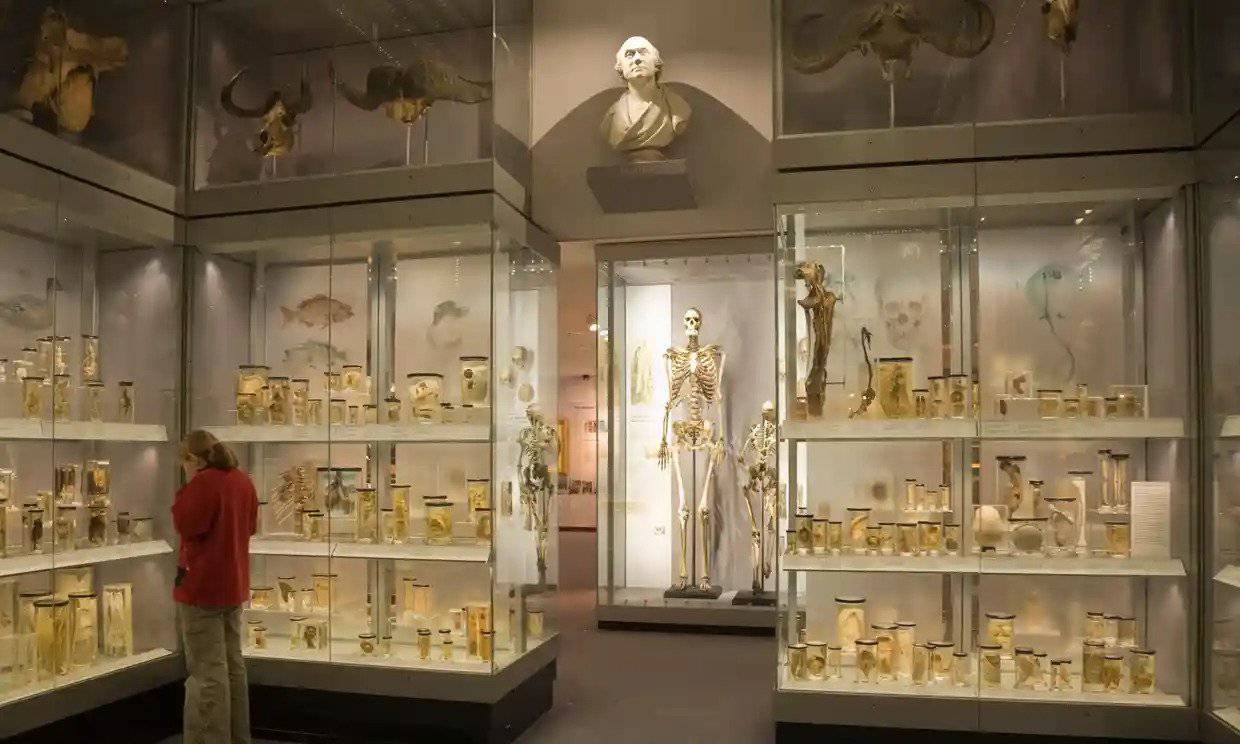
Charles Byrne’s skeleton (centre) and other exhibits, Crystal Gallery, Hunterian Museum, Royal College Surgeons, Lincoln’s Inn, London. Photograph: Alamy Stock Photo
The remains of Charles Byrne, known as the 'Irish Giant' who lived in the 18th century, are to be removed from public display at the Hunterian Museum in London.
Mr Byrne measured seven foot and seven inches when he died aged 22 in 1783.
Originally from mid-Ulster and named Charles O'Brien, his body was controversially acquired by the surgeon John Hunter and since became the centrepiece of the museum.
After 250 years on display, a campaign was started to have the skeleton removed from public view.
Today, the Hunterian confirmed the remains would not be returned to public display when the museum opens in March after five years of renovations.
However, it will still be available for medical research.
A statement from the museum said: "During the period of closure of the Museum, the Board of Trustees of the Hunterian Collection discussed the sensitivities and the differing views surrounding the display and retention of Charles Byrne’s skeleton.
"The Trustees agreed that Charles Byrne’s skeleton will not be displayed in the redeveloped Hunterian Museum but will still be available for bona fide medical research into the condition of pituitary acromegaly and gigantism."
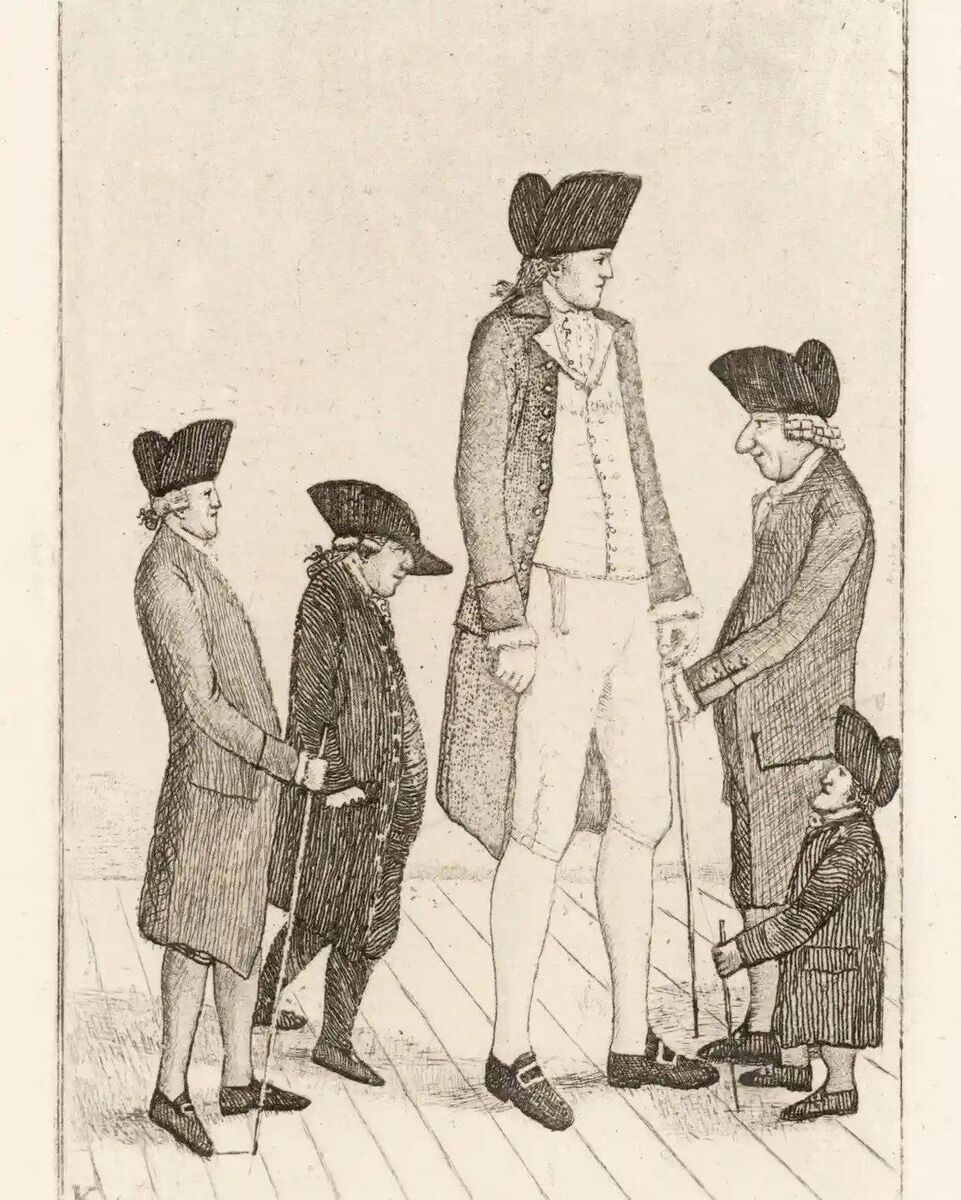
Before dying, Byrne asked his friends to ensure he was buried at sea in a lead coffin to prevent gravediggers exhuming his remains and selling them to the medical establishment.
Byrne’s plan was thwarted, but in recent years the museum has come under increasing pressure to honour the Irishman’s final wishes.
Byrne was born in 1761 and left his hometown in County Derry in his teens to find fame and fortune. After travelling through northern England as a “curiosity act” he became a London celebrity, inspiring a pantomime called the Giant’s Causeway, and moved into an apartment in Charing Cross.
However, Byrne soon entered a downward spiral. When his life savings were stolen in a pub he began drinking heavily, and subsequently contracted tuberculosis and died at the age of just 22.
A newspaper of the time noted that “a whole tribe of surgeons put in a claim for the poor departed Irishman surrounding his house just as harpooners would an enormous whale”.
In keeping with Byrne’s wishes, his friends arranged for a sea burial at Margate. However, possibly after bribing an undertaker to switch the corpse, the pioneering Scottish surgeon and anatomist John Hunter acquired Byrne’s remains.
Four years later, the skeleton appeared in Hunter’s private collection, and it has remained on public display for much of the two centuries since then at the Hunterian Museum, run by the Royal College of Surgeons.
Until now, the museum has rejected calls for the skeleton to be taken off display, arguing that it was of important “educational and research value”.
It could, for instance, allow the identification of shared genes between Byrne and living individuals with the same condition, known as acromegalic gigantism.
CONNECT WITH US TODAY



Be the first to know the latest news and updates