Calls to review adaptations for dyspraxia in State exams
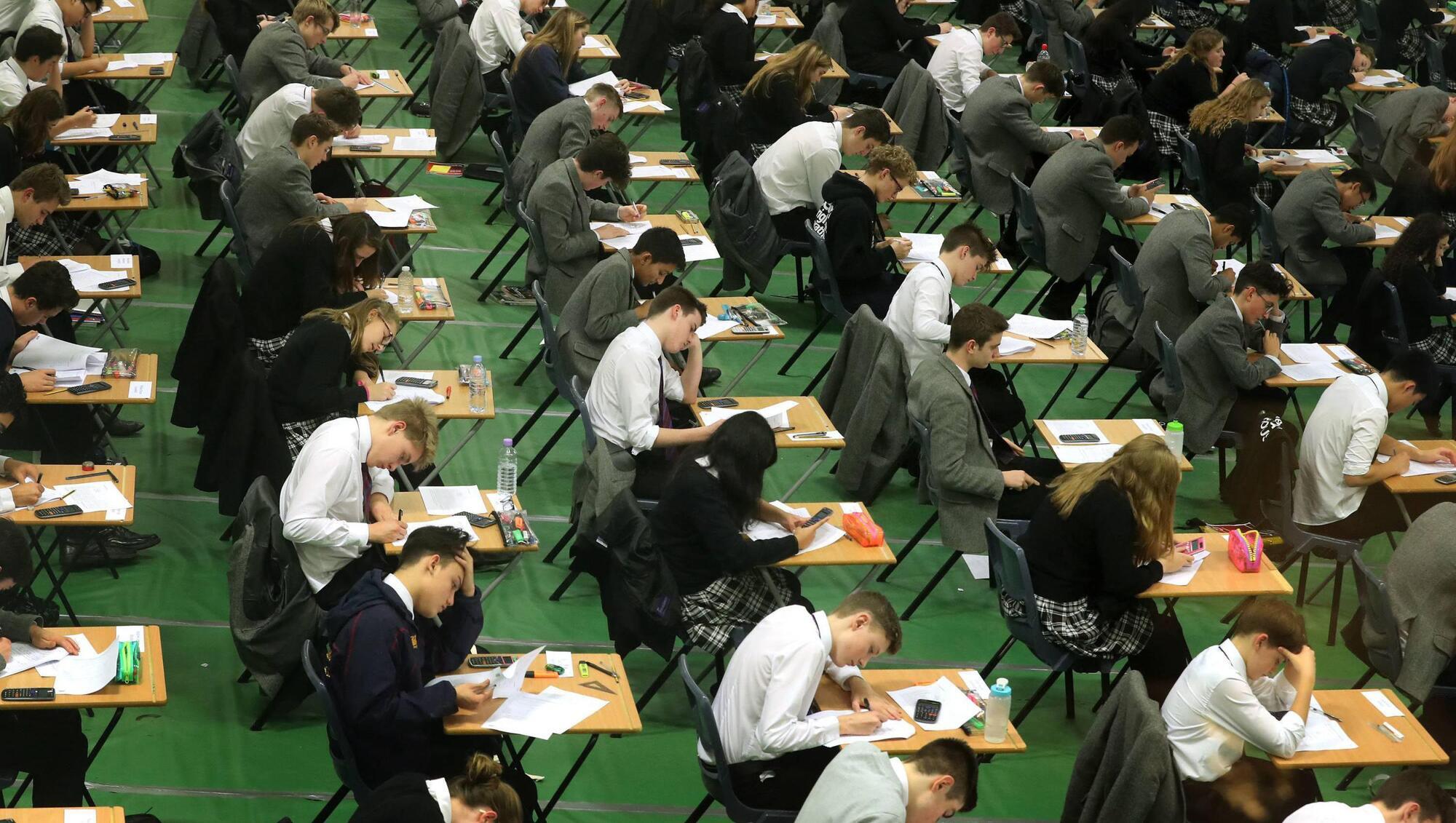
Students who have Developmental Coordination Disorder (DCD), also known as dyspraxia, may apply to the State Examinations Commission (SEC) for accommodations in the State exams on the grounds of having a physical difficulty.
There have been calls for a review of how State exam accommodations are made for students who have dyspraxia to put them on a level playing field with their neurotypical peers.
Students who have Developmental Coordination Disorder (DCD), also known as dyspraxia, may apply to the State Examinations Commission (SEC) for accommodations in the State exams on the grounds of having a physical difficulty.
Students can also apply to the Reasonable Accommodations at Certificate Examinations (RACE) scheme on the basis of having a learning difficulty if they have a co-existing learning disability, such as dyslexia.
Accommodations include the use of a word processor, a reader, or a scribe. However, advocates say these accommodations do not go far enough to address the specific challenges students with dyspraxia face.
Trish Keane, Dublin, is a mother of two dyspraxic students who went through the RACE process. She has also surveyed students about their experiences of dyspraxia/DCD in education and exams here.
Ms Keane is frequently contacted by parents who are trying to navigate the RACE process for their own children. “A running theme is underrepresented ability due to lack of time in exams,” she said.
“Advice from the SEC is that time is only available in exceptional circumstances, as with visually impaired students or time that comes with a scribe.” However, some students who have dyspraxia would find a scribe more of a hindrance than a help, she added.
“The problem is the SEC is offering something the student doesn’t want. It should be needs-based, not disability-based.”
To apply to use a word processor for the exams, a student must have a speed of writing of less than 12 words per minute, which doesn’t measure other problems that a student may have, such as thought-processing or planning.
“A student might need technology for those reasons as well as the fact that they write slowly.” Extra time needs to be made available as additional standalone accommodation to account for students’ handwriting speed, slower processing, planning and organisational difficulties and co-ordination difficulties.
“It’s needed for maths, and it's also needed for drawings, diagrams, and the practical subjects.” The 12 words per minute test should also be reconsidered.
Chief executive of Dyspraxia/DCD Ireland, Sharon Lane, said that access to reasonable accommodations is supposed to be needs-based.
“But when a student expresses their needs they are frequently denied the support they have requested and offered other supports that do not meet their needs.
“A young person with a disability should not be further disadvantaged by being viewed as someone who ‘might get an unfair advantage’ by receiving accommodations.”
“One only had to look at the low numbers of students with disabilities accessing third-level education to see that they need all assistance possible.”
More information on the current reasonable accommodations available from the SEC can be found on www.examinations.ie.
CONNECT WITH US TODAY



Be the first to know the latest news and updates