Tripling of microplastics found on seabed despite efforts to cut single-use plastics
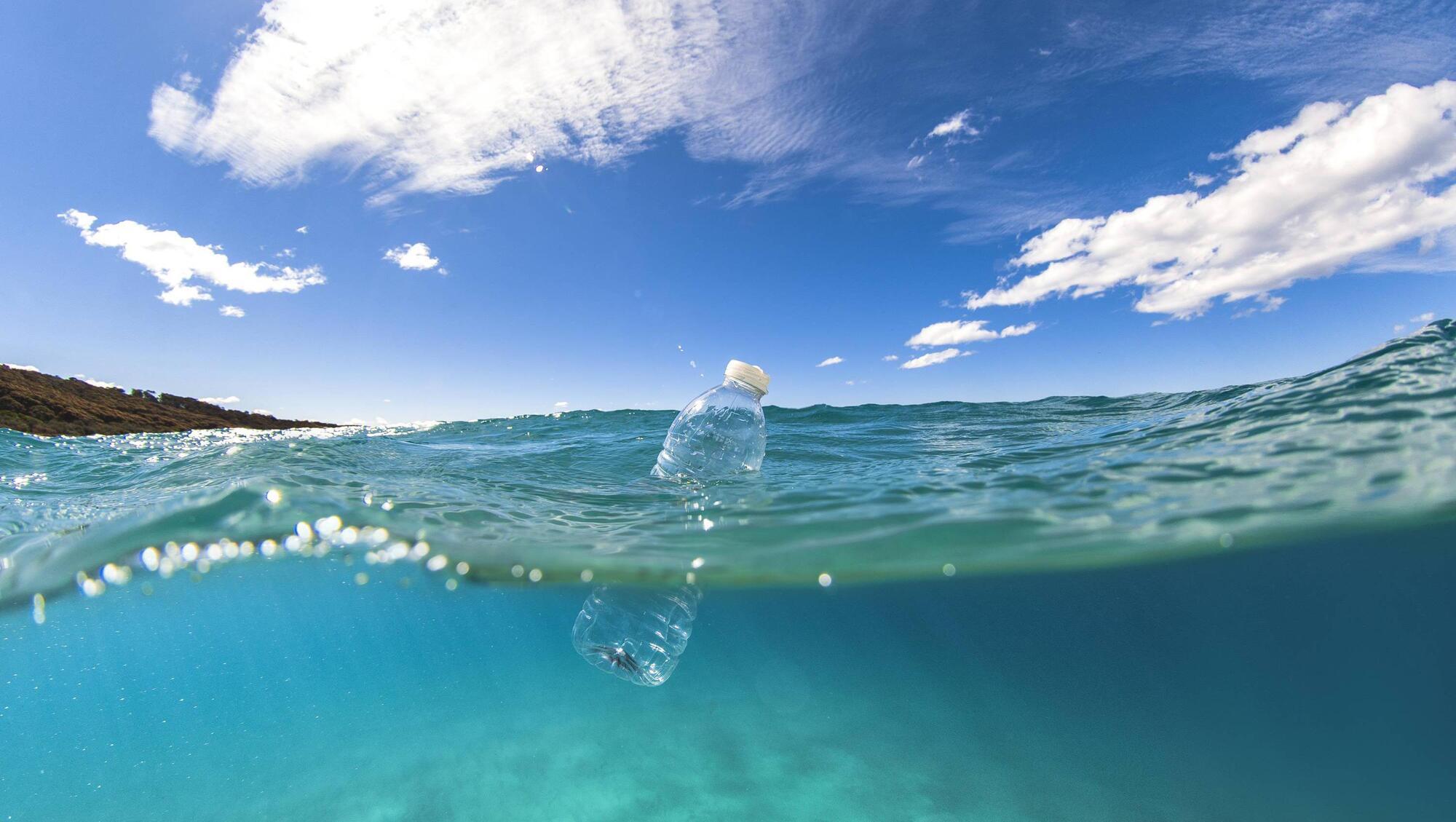
Scientists found that microplastic debris from the likes of bottles, packaging, and food wrapping has mirrored consumption patterns by people.
The amount of tiny plastic particles on the sea floor has tripled since the turn of the century.
Scientists in Catalonia and Denmark found that microplastic debris from the likes of bottles, packaging, and food wrapping has mirrored consumption patterns by people, with the bottom of the sea the final resting place for huge amounts of the contaminants.
Researchers at the Institute of Environmental Science and Technology of the Universitat Autònoma de Barcelona (ICTA-UAB) and the Department of the Built Environment of Aalborg University examined microplastic pollution from sediments obtained in the northwestern Mediterranean Sea for their study.
They found that microplastic stuck in the sea floor mimics the global plastic production from 1965 to 2016.
Barcelona researcher Laura Simon-Sánchez said: "Specifically, the results show that, since 2000, the amount of plastic particles deposited on the seafloor has tripled and that, far from decreasing, the accumulation has not stopped growing — mimicking the production and global use of these materials."
Polypropylene is the most abundant, followed by polyethylene and polyester, the researchers found.
Polypropylene is a plastic found in the likes of food containers, and while it has been thought to be one of the safest to use, recent research suggests it may be toxic depending on its use in differing products.
Polyethelene is the world's most commonly used plastic in everyday life, while polyester is a common fabric used in the likes of clothes.
Researchers from the Mediterranean study found that the sediments analysed have remained unaltered on the seafloor since they were deposited decades ago.
"This has allowed us to see how, since the 1980s, but especially in the past two decades, the accumulation of polyethylene and polypropylene particles from packaging, bottles, and food films has increased, as well as polyester from synthetic fibres in clothing fabrics," explains Michael Grelaud of Aalborg University.
The scientists said that despite awareness campaigns on the need to reduce single-use plastic, the data show that reduction targets are still far off.
"Once deposited, degradation is minimal, so plastics from the 1960s remain on the seabed, leaving the signature of human pollution there," said Barcelona professor Patrizia Ziveri.
According to the UN Environment Programme (UNEP), concern about the potential impact of microplastics in the marine environment has gathered momentum during the past few years.
The extent to which microplastics represent a hazard to marine life — and may provide a pathway for transport of harmful chemicals through the food web — is still being assessed, UNEP says.

CONNECT WITH US TODAY



Be the first to know the latest news and updates