State papers: Mowlam took Pat Finucane murder collusion claim 'very seriously'
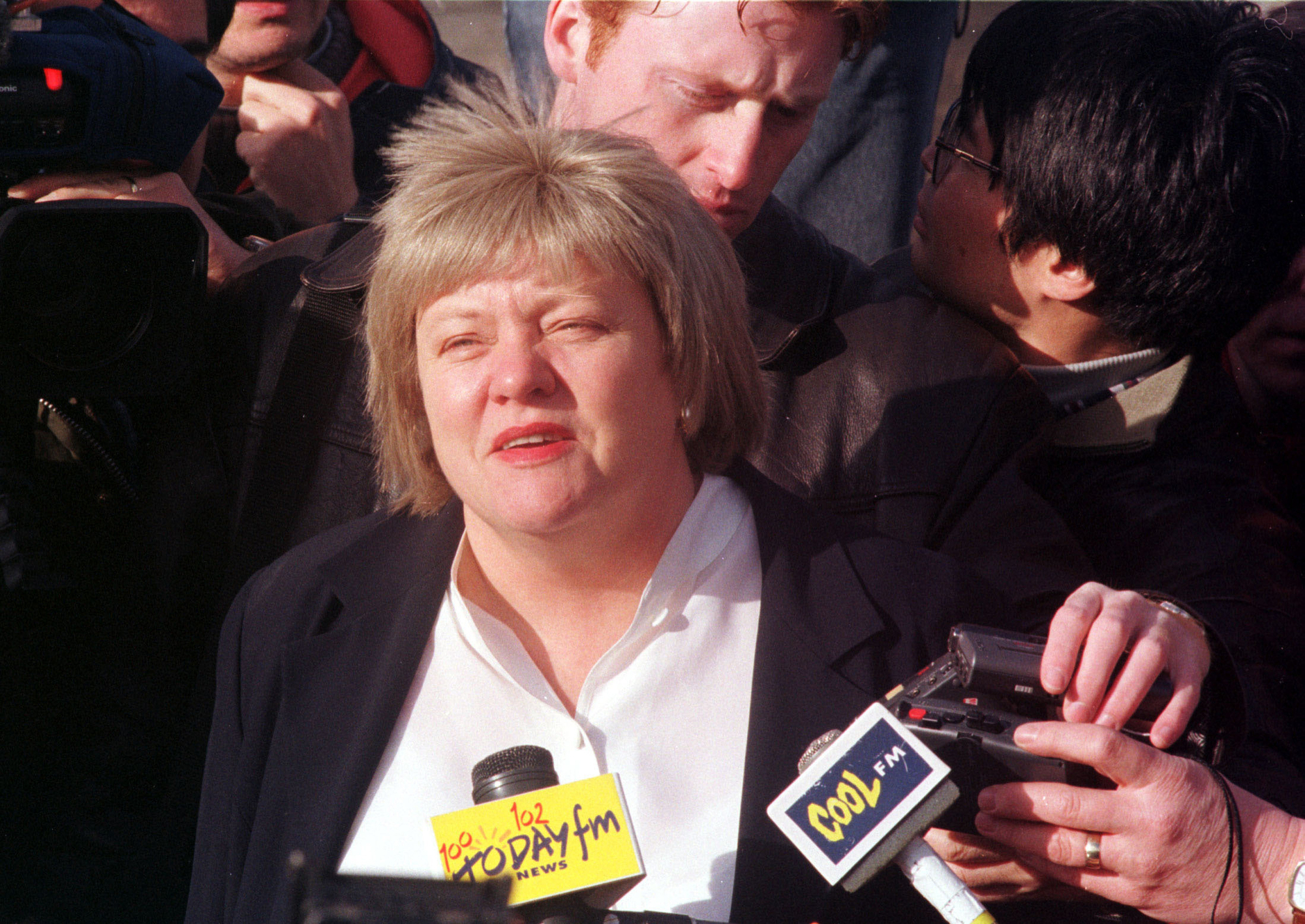
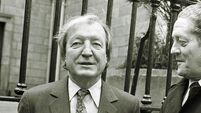
Dr Mo Mowlam said she would “not hesitate to act if I concluded that the public interest and the interests of justice require me to act.” File picture: Eamonn Farrell/RollingNews.ie
Northern Ireland Secretary, Mo Mowlam, promised the Irish government that she took claims by a leading civil rights group that a secret British army unit assisted loyalist murder gangs with multiple killings including the murder of Belfast solicitor “very, very seriously.”
Confidential State papers being released by the National Archives show Ms Mowlam vowed she was “not going to let it drop” after the Minister of State at the Department of Foreign Affairs, Liz O’Donnell, raised the issue of collusion by British armed forces in the murder of nationalists in Northern Ireland.
In a letter dated May 24, 1999, Dr Mowlam said she would keep developments in relation to the investigation into the murder of Mr Finucane under review. The British Labour MP said she would “not hesitate to act if I concluded that the public interest and the interests of justice require me to act.”
While the investigation into the shooting of the prominent solicitor was ongoing at the time, Dr Mowlam observed that “all options remain open”. However, she said it was right that the possibility of bringing those responsible to justice in the courts should be pursued.
Dr Mowlam acknowledged that she was unable to give a timeframe for when the police investigation would be in position to possibly answer such concerns.
HISTORY HUB
If you are interested in this article then no doubt you will enjoy exploring the various history collections and content in our history hub. Check it out HERE and happy reading
Ms O’Donnell, a Progressive Democrats TD, had informed Dr Mowlam that the Irish government would not be taking a further public position on the case until direct talks were undertaken about it.
Concern in Dublin about possible collusion in the murder of nationalists, including the fatal shooting of Mr Finucane at his home in February 1989, arose following publication of a special report by the British Irish Rights Watch group called 'Deadly Intelligence'.

It had identified a section of the British Army known as the Force Research Unit (FRU), which was formed in 1982, as operating as a standalone unit within the British Army Intelligence Corps in Northern Ireland. The FRU worked to infiltrate its own locally recruited agents into paramilitary organisations.
Details of the FRU’s modus operandi only emerged after one of its agents, Brian Nelson, who had infiltrated the Ulster Defence Association, had gone on trial and he outlined how he had provided information about Mr Finucane’s movements. However, Mr Nelson insisted he had told his British Army handlers that the solicitor was the target of a planned shooting.
RUC Special Branch agent and loyalist quartermaster, William Stobie, a member of the UDA was later charged with supplying one of the pistols used to kill Finucane, but his trial collapsed because he claimed that he had given information about his actions to his Special Branch handlers.
On December 12, 2001, Stobie was shot and killed outside his Belfast home after he said he was willing to testify at an inquiry into Mr Finucane's murder. FRU operatives were also suspected of actively working to frustrate the work of the Stevens inquiry.
However, the BIRW report - which was compiled after seven years of research - revealed that 74 honours and awards were bestowed by Britain on various members of the FRU.
Brian Nelson's 'handler', Sergeant Margaret 'Mags' Jones was awarded the British Empire Medal in 1990 while the FRU commander, Colonel Gordon Kerr, was awarded a Military Order of the British Empire in 1991.