State papers: Hollywood producers blamed Government for failing to promote country as a location
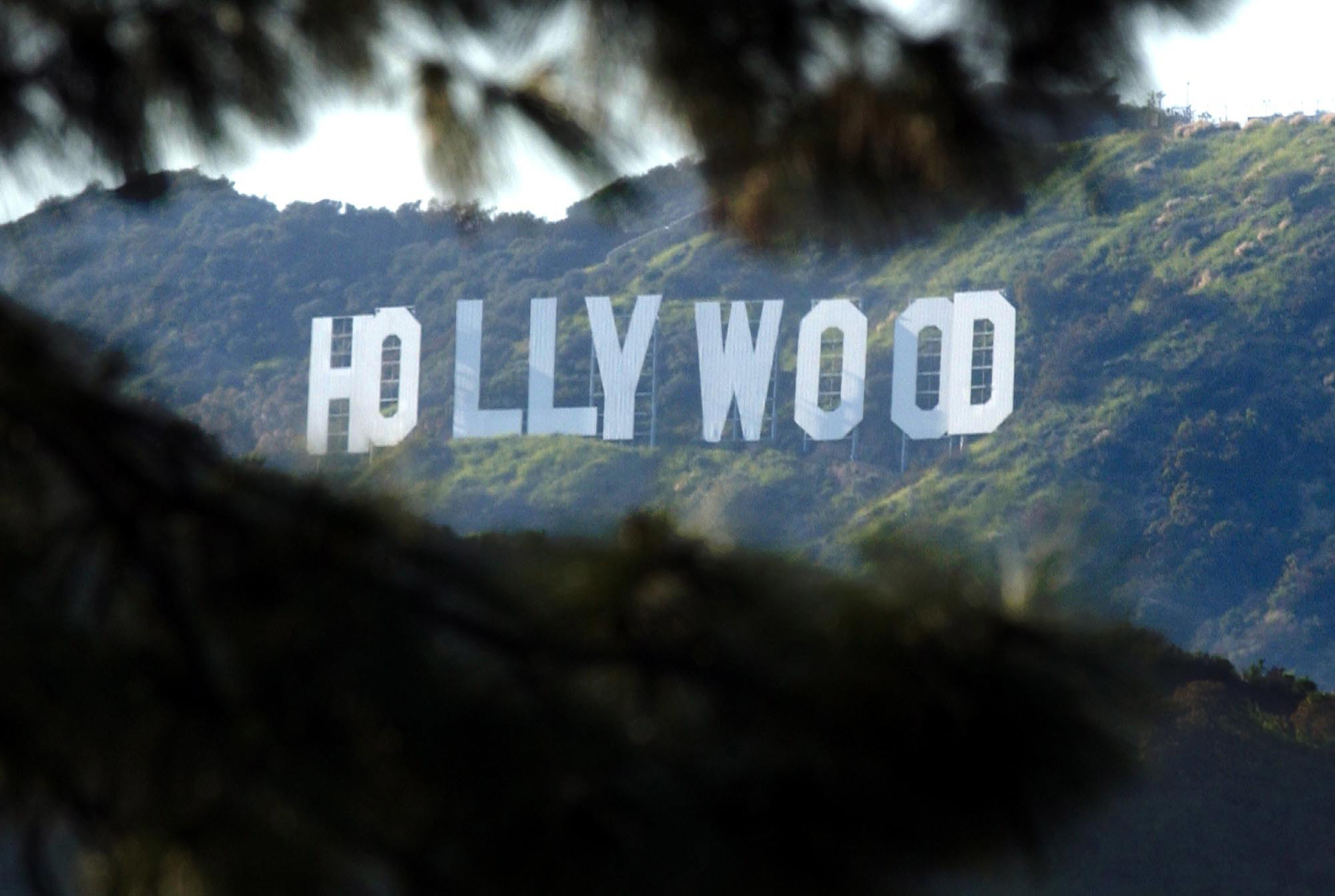
An IDA Ireland official, Bart Daly, who met with several vice-presidents of major studios in Hollywood in 1987, said they felt Ireland was 'not even on the table' when it came to countries that could be used as a film location because there was a total lack of information about facilities.
Some of Hollywood’s leading movie producers blamed the Irish government for not doing anything to promote Ireland as a location for shooting films in the late 1980s.
Newly-released State papers show leading executives from some of LA’s best-known movie studios including Paramount, MGM, Columbia and Universal felt there was a total lack of marketing of the film industry in Ireland.
An IDA Ireland official, Bart Daly, who met with several vice-presidents of major studios in Hollywood in 1987, said they felt Ireland was “not even on the table” when it came to countries that could be used as a film location because there was a total lack of information about facilities.
“If there was any information, then Ireland would stand as much chance as any other location,” said Mr Daly.
In a report, Mr Daly said there was a serious misjudgement by State agencies about the potential of the Irish film industry.
He noted Hollywood producers felt Ireland had many positive factors, including it was English speaking, close to England, had tax advantages and trade unions were “more flexible” than in the UK, while technicians and film crews were also regarded as better than their British counterparts.
“It came across loud and clear that we are not marketing Ireland and if we did, we would get results,” he added.
Mr Daly said the movie studios expected the Irish Film Board would provide them with free scouting services but he noted the board had recently been disbanded, which he branded “a major mistake by the Irish government”.
The producers also recommended that a representative of the Irish film industry should visit Hollywood studios at least once a year.
They pointed out Chicago had developed a thriving film industry because the mayor of Chicago had taken a decision to actively pursue film studios in LA.
The producers also highlighted how some countries and states treated movies as “a glamour business” and did not treat it seriously.
Mr Daly said the feedback provided an important lesson for Ireland.
“If the government view the film industry as a ‘glamour industry’, then the industry will never take off,” he observed.
He noted the average budget for a film in Hollywood at the time was $10m, with one studio, Weintraub Entertainment, having an annual budget of $461m.
It was estimated a three-week shoot in Ireland could generated up to $3m.
“If we get our act together and the government agencies are roped in behind, then Ireland can get a slice of this big cake,” said Mr Daly.
He added: “We have the facilities, the studios, the personnel and the locations — what we are lacking is government support.”
Mr Daly travelled to Los Angeles to ascertain the potential for a proposed new publication entitled Location Ireland which would highlight the attractiveness of the Republic as a location for shooting films.
The initiative coincided with the decision of the government to provide incentives to encourage investment in the film industry in the Republic as well as a major refurbishment of Ardmore film studios in Bray, Co Wicklow.
All the Hollywood studios raised Northern Ireland as a negative factor, with each producer saying they would not shoot there.
They also doubted the wisdom of including any information about Northern Ireland in Location Ireland.


CONNECT WITH US TODAY



Be the first to know the latest news and updates