IRFU launches study on rugby head gear's ability to prevent brain injuries
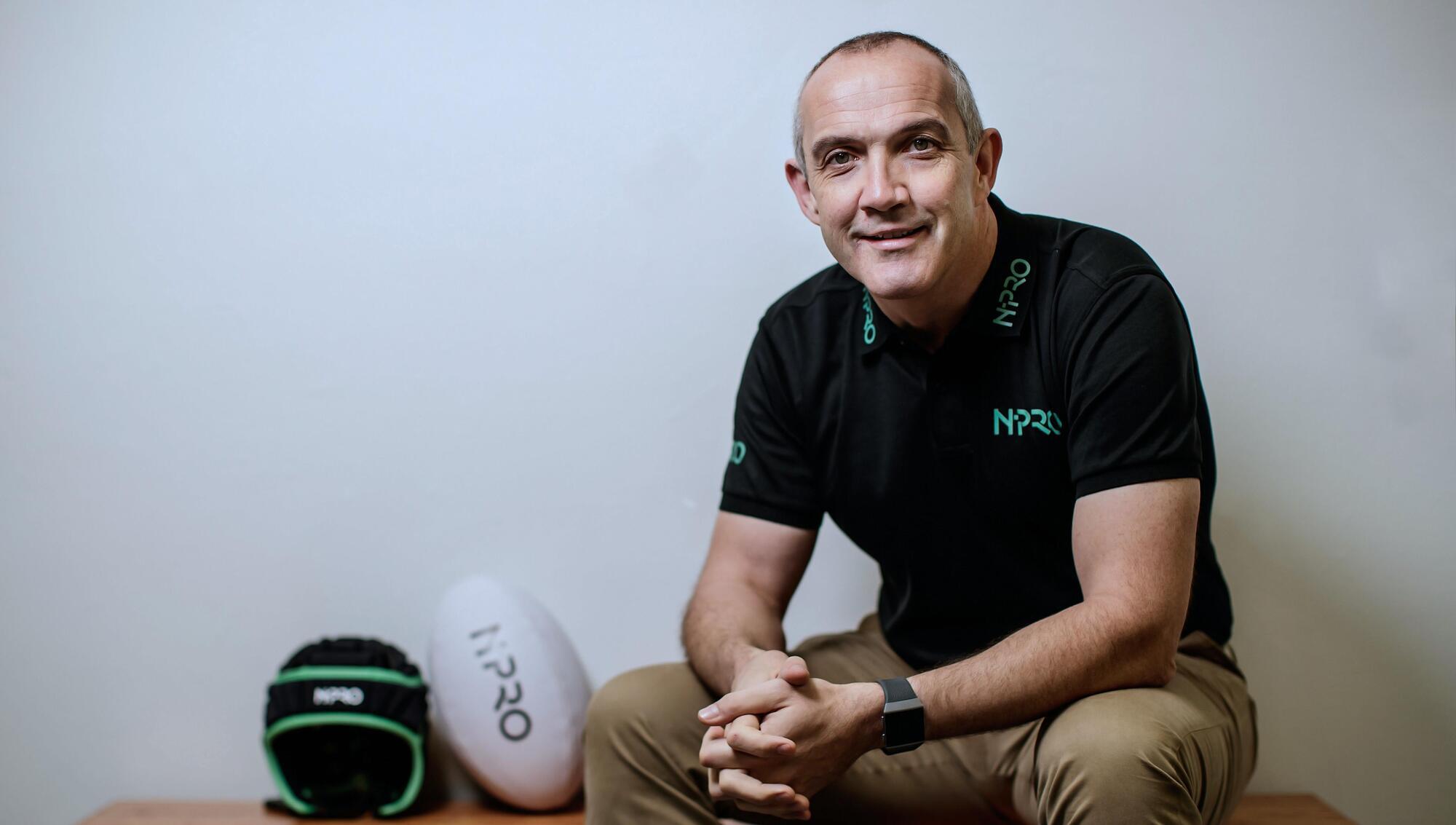
Former Italy and Harlequins head coach Conor O’Shea at the launch of the N-Pro headguard in 2019. Picture: INPHO/Dan Sheridan
A landmark study on the effectiveness of rugby headgear in reducing brain injuries has been launched by the Irish Rugby Football Union (IRFU) amid increasing health concerns around the sport.
The sporting body was one of many subject to legal proceedings by former players citing brain injuries suffered during their careers.
The IRFU is supporting the two-year Rugby Headgear Effectiveness Study which is due to commence in the first half of 2023. It will use a World Rugby framework designed to help manufacturers field-test new products for reducing brain injuries.
Investigators will evaluate the use of the Irish-made N-Pro headguard in reducing injuries with male and female volunteers aged 16 and above. The study will be carried out over two consecutive playing seasons between August 2023 and May 2025.
IRFU medical director Dr Rod McLoughlin said it is “another important step forward” in understanding the effectiveness of headgear which “reaffirms the IRFU’s commitment to making rugby a safer sport for all players”.
World Rugby’s chief medical officer Dr Éanna Falvey said the organisation never stands still when it comes to player welfare, and is keen to explore advances in technology that have the potential to reduce the risk of injury.
Leading the investigation is Dr Philip J O’Halloran, a leading neurosurgeon in the UK who has led research on sport concussions in the US.
“We know that scrumcaps do not prevent players sustaining brain injuries,” he said, adding that the trial will allow new technologies showing “encouraging preclinical results” to be tested in action.
Dr O’Halloran will use blood and saliva biomarkers, neuro-imaging, instrumented mouthguards, and neurocognitive tests to conduct his investigation.
“We have assembled a world-leading, independent panel of scientific and medical experts in brain health and brain injury to monitor the study,” he said.
Attention will now turn to recruiting participants for the study, and Dr O’Halloran encouraged players in clubs and schools to get involved.
Repeated head injuries in sports such as rugby have been linked to early-onset dementia and other long-term health issues.
Earlier this year, legal proceedings were launched against the IRFU, World Rugby, and other organisations by former players over brain injuries suffered during their sporting careers. Three former rugby players lodged High Court proceedings in September against the IRFU for damages.
CONNECT WITH US TODAY



Be the first to know the latest news and updates